Things To Do In The Douro Valley: A Local's Real List
Not a listicle padded to twenty. This is what I would tell a friend to do with a day or three in the Douro, in the order I would rank it, with honest notes on each.
Start with the experience you most want, then build the route around its departure point. Short boats, harvest days and private sunsets are different bookings. Explore Douro Valley Small Group Tour: 2 Wineries, Lunch & River Cruise
 Written with Niko Stavros, Douro Valley wine tourism specialist
Short answer
The essentials are tasting wine at a quinta, taking a short river cruise, catching the big viewpoints above Pinhao, and wandering at least one town like Pinhao or Lamego. Ride the historic Douro train or drive the N222 for the scenery, and come in September if you want the harvest. Most first-timers do the wine, the cruise and the views in a single well-planned day.
Porto winery day joins tastings, lunch and river time. Pinhão boat is a local fifty-minute addition. Harvest participation needs the dedicated seasonal Régua departure. Explore Douro Valley Small Group Tour: 2 Wineries, Lunch & River Cruise
The Douro rewards doing a few things properly more than a long list badly. I have watched people try to cram five quintas, two cruises and three viewpoints into one day and end up remembering none of it, exhausted, having tasted more than they could taste. So here is the honest ranking, the handful of things that make this valley what it is, and where to read more on each once one grabs you.
Where Should You Taste Wine In The Douro?
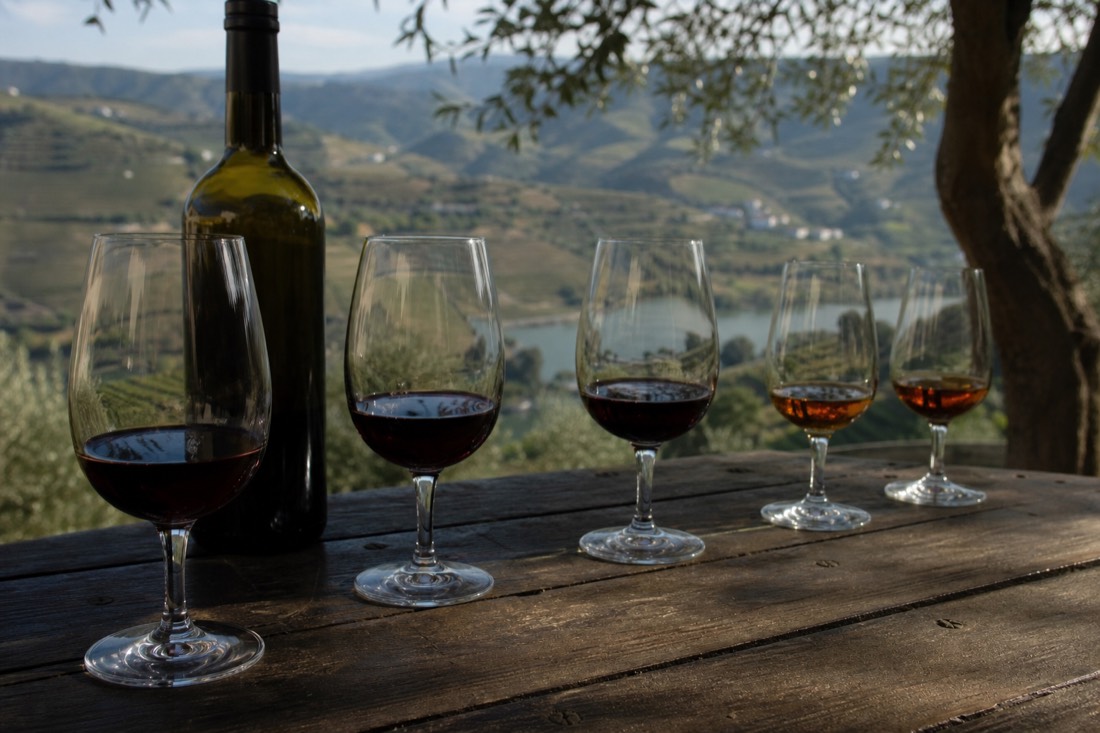
At a quinta, the working wine estates that fill the valley. A tasting on a terrace above the vines, with the winemaker's own Port and DOC Douro reds in the glass, is the single thing you should not skip.
This is the whole point of coming. Some estates take walk-ins, others receive guests only by arrangement, and I sort out which is which in the best quintas and wineries guide. The catch is logistics: tastings and driving between estates on narrow terraced roads do not mix under Portugal's low drink-drive limit, which is why so many visitors let a tour carry them. The small-group day tour this site features builds its day around two family-estate tastings with a Portuguese lunch, offers hotel pickup for up to eight guests and holds 4.9 across 5,576 combined Viator and Tripadvisor reviews. If you are staying in the valley, though, book a quinta direct and take your time.
Is A Douro River Cruise Worth Doing?
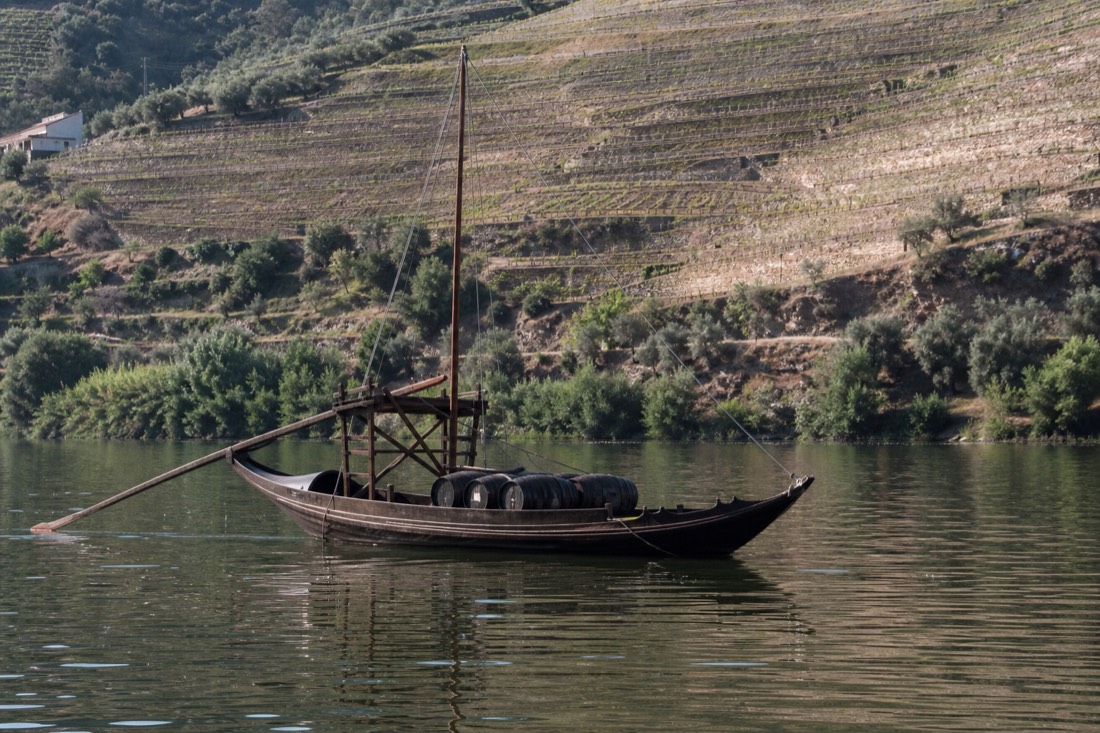
Yes, in a short dose. An hour on the water between the vineyard walls shows you angles no road can, and the classic boats are the old rabelos that once hauled Port barrels downriver. A full day of cruising, on the other hand, is more river than most people want.
The sweet spot is a short loop from the Pinhão quay, calmer and greener than the city stretch at Porto. I lay out whether it earns its place in the river cruise worth-it guide, and the boats get their own story in the rabelo boats article. If the river is what pulls you, the Douro and Amarante tour built around a private-clients-only boat cruise with a tapas brunch aboard puts the water at the centre of the day, rated 4.8 across 1,781 GetYourGuide reviews. Most people, though, meet the river as one segment of a wider day, which is exactly how the featured day tour handles it with a 50-minute cruise at Pinhão.
Where Are The Best Viewpoints?
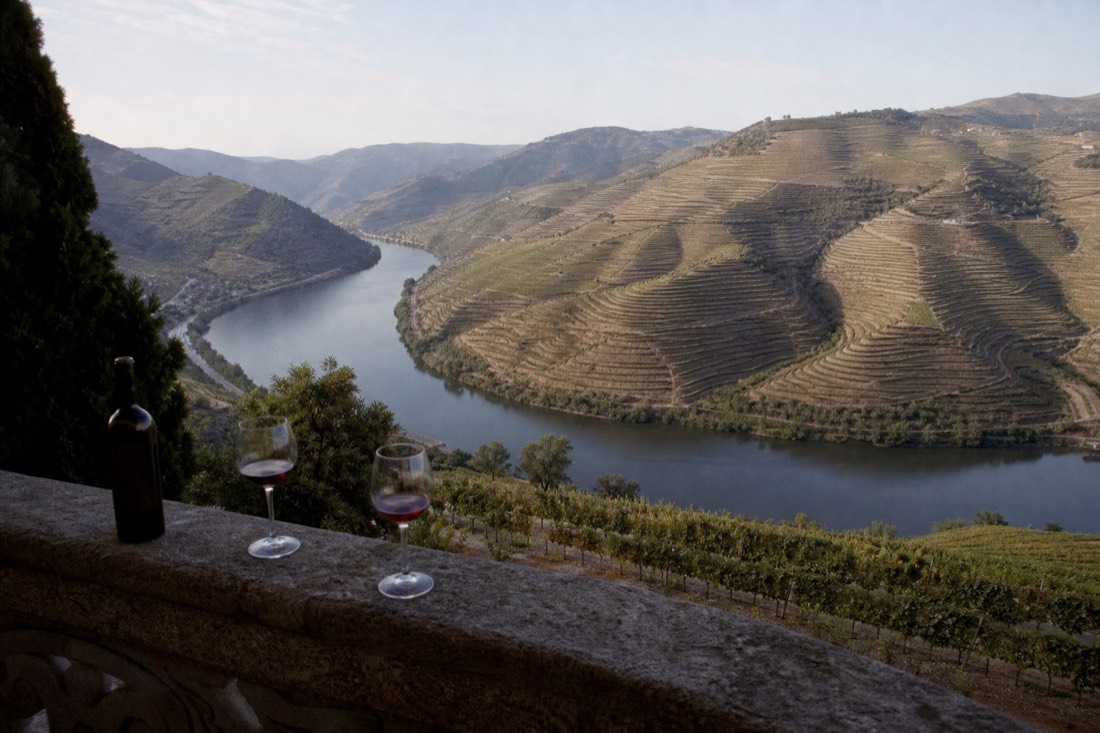
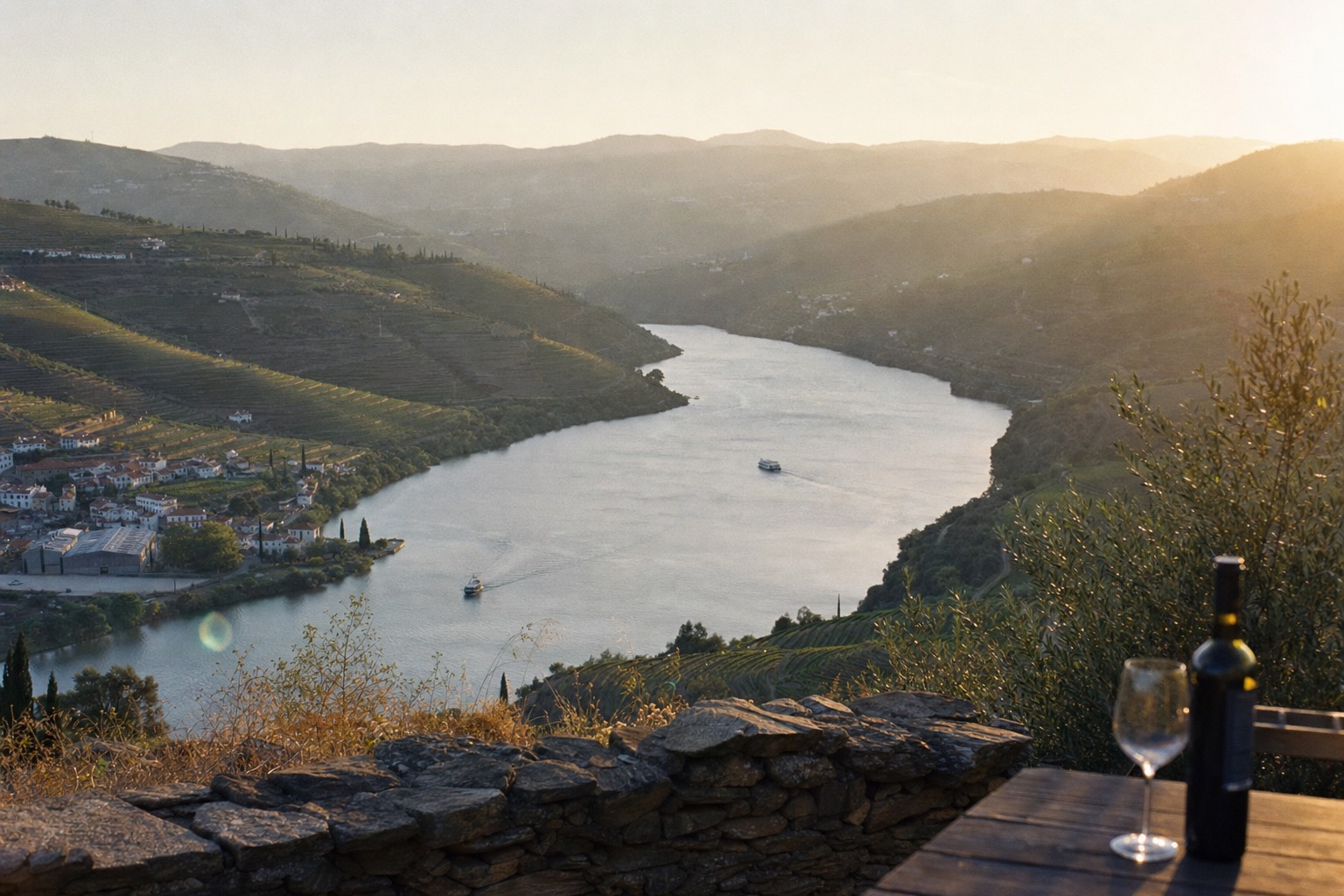
High above Pinhão, mostly. The Casal de Loivos balcony over the river bend is the classic, and the São Leonardo de Galafura viewpoint near Régua is the other great one. Both are free, and both are best in soft morning or evening light.
The valley is a landscape you look down on, so the miradouros are half the trip. I collected the ones worth the drive, with parking notes and timing, in the viewpoints and photo spots guide. If you are self-driving, budget more time than you think at each; the light keeps shifting and you will not want to leave. These stops cost nothing and deliver the images people remember, which is a rare combination in wine tourism.
Should You Ride The Train Or Drive The N222?
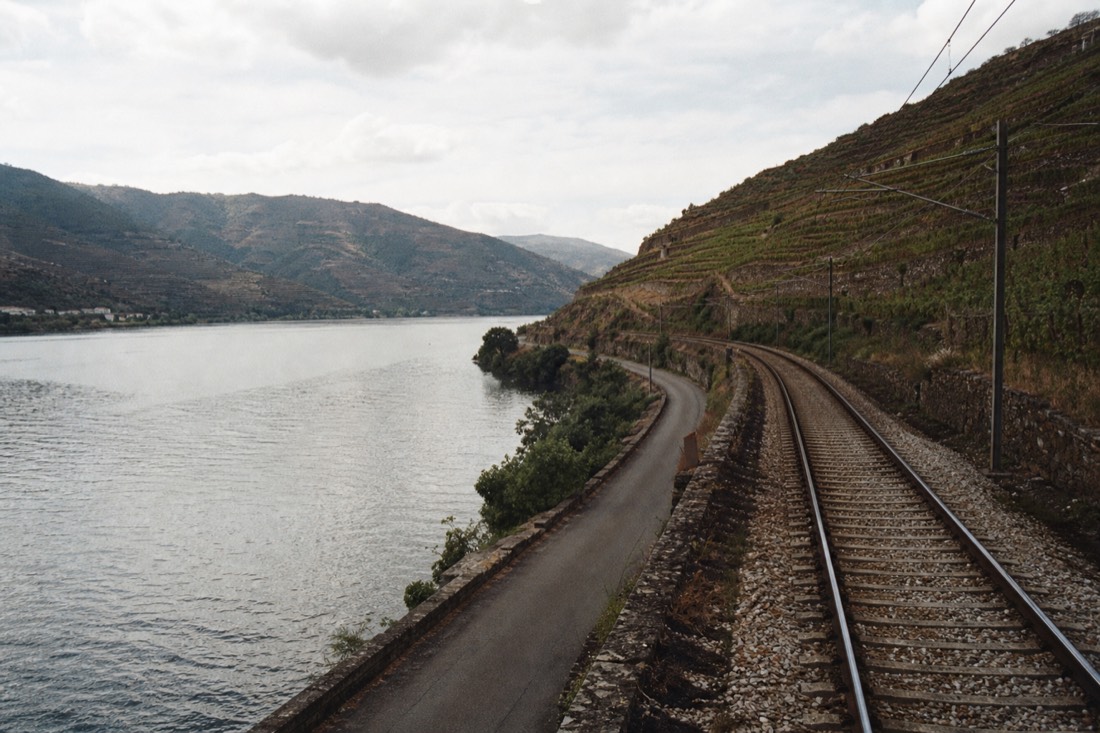
One or the other, depending on whether you want to drink. The Linha do Douro train hugs the river for its final stretch and is regularly called one of Europe's loveliest rides. The N222 between Régua and Pinhão was once voted among the world's best driving roads.
The train lets everyone look out of the window with a glass in hand, and I cover connections and where to sit in the Porto to Douro by train guide. The N222 is the driver's pleasure, all curves and river views, though of course whoever drives it cannot taste at the other end. That trade-off is the whole reason many people book a tour instead: the featured small-group day includes the scenic N222 stretch so you get the road without giving up the wine. Pick the train for freedom, the road for the drive, the tour for both.
Can You Join The Harvest?
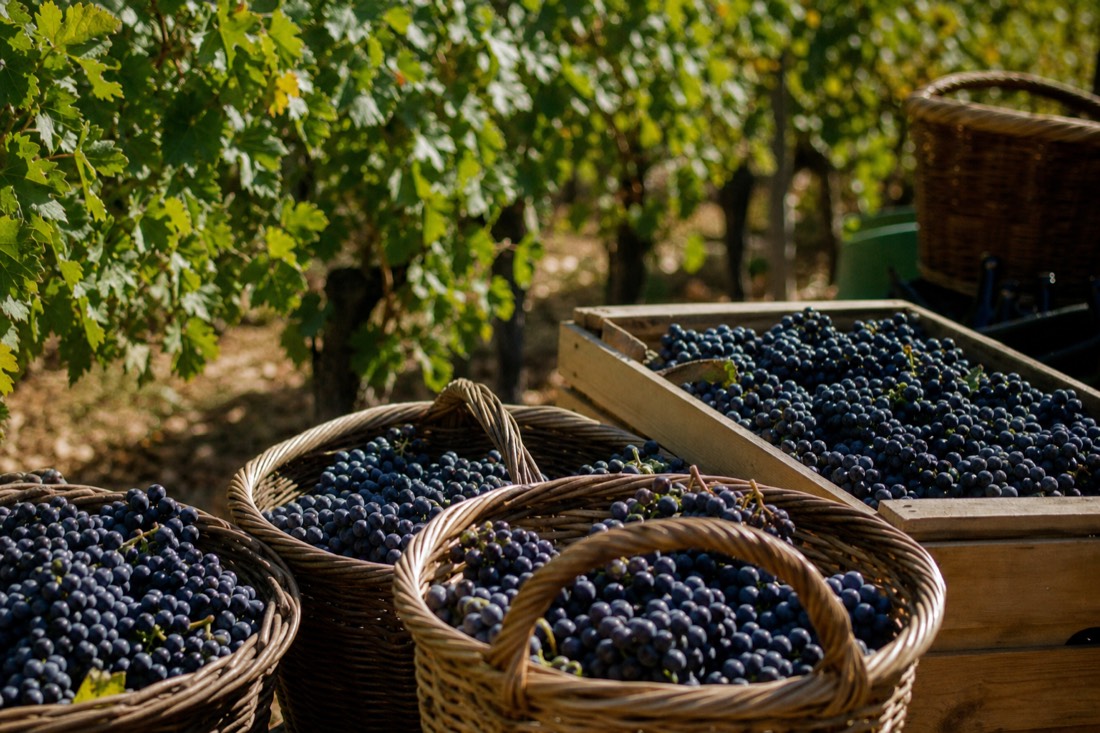
Yes, in September and early October, the vindima. Some estates let visitors pick grapes and even foot-tread them in the old granite lagares, which is the most hands-on thing you can do in the valley.
Harvest is the valley at its most alive, though it is also its busiest, so book well ahead. I cover the timing and what the season is really like in the harvest and vindima guide. For a purpose-built version, a dedicated harvest experience with foot-treading and a tasting exists on the September calendar. Come outside that window and the vines are still beautiful, just quieter, which some people prefer.
Which Towns Are Worth Wandering?
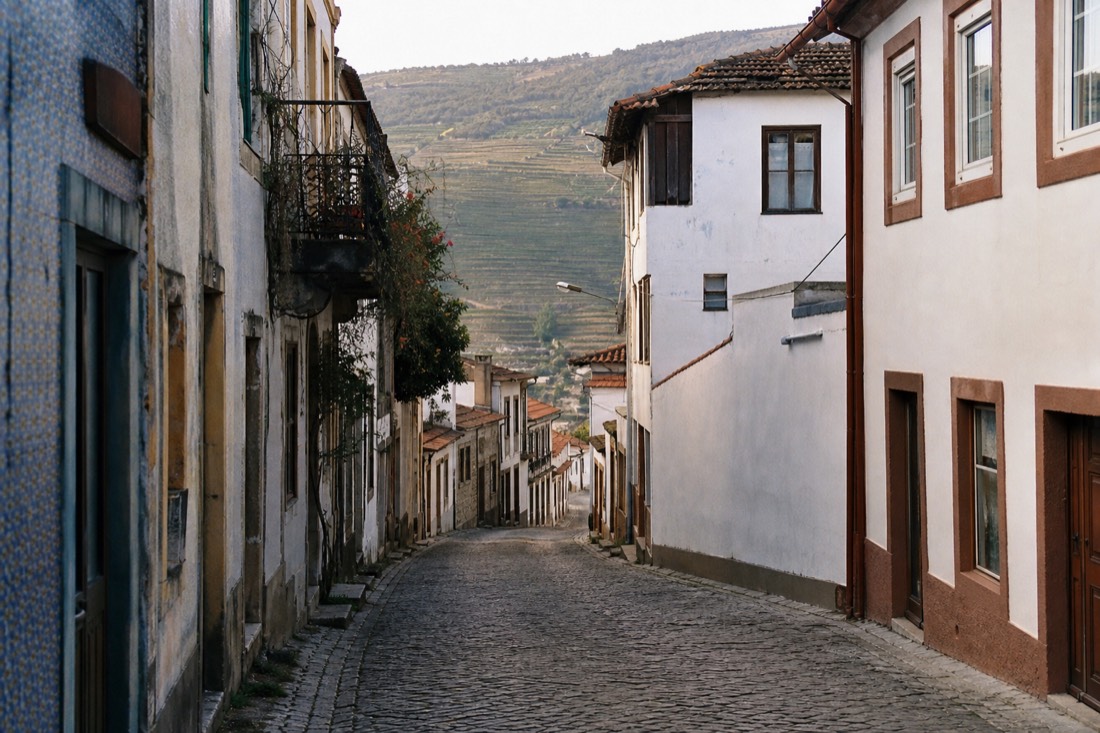
Pinhão for the tiled station and the river bend, Lamego for the baroque staircase, and Régua as the practical hub. None takes more than a couple of hours on foot, so slot one into any day.
Pinhão is small but perfect, and I make the case for it in the Pinhão guide. Lamego, ten minutes south of the river, adds a 686-step staircase and a sparkling-wine cave to the mix; the full picture is in the Lamego guide. If you have only a single day and want it planned hour by hour, the one-day Douro itinerary threads the wine, the river and a town into one workable route. Do a little of each, resist the urge to do all of it, and the Douro gives you a day you will actually remember.
Common Questions About The Douro Valley
What is the number one thing to do in the Douro Valley?
Taste wine at a quinta. A guided tasting of Port and Douro reds on a terrace above the vines is the experience the whole region is built around; everything else supports it.
Can you see the Douro Valley in one day?
Yes, if you focus. A single well-planned day covers a quinta tasting or two, a short river cruise and a viewpoint, usually around Regua and Pinhao. Trying to reach the remote east as well turns the day into driving.
What is there to do in the Douro besides wine?
The viewpoints above Pinhao, the scenic train and N222 road, the tiled station at Pinhao, the baroque staircase at Lamego, and the harvest in September. The scenery itself is a headline attraction.
Your Next Step
Douro Valley Small Group Tour: 2 Wineries, Lunch & River Cruise
Want the wine and river in one day from Porto? Explore the two-winery itinerary with lunch and transport already connected. Check your travel date before arranging the rest of your visit. Two winery tastings, Portuguese lunch and a Pinhão river cruise from Porto.
9–10 hours; English offered. Central Porto hotel pickup option: up to 8 guests; central meeting option: up to 19. Port and DOC Douro tastings and lunch included; wineries can change. Winery visits and river cruise may include other customers. Gratuities extra; confirm dietary needs and child arrangements before booking.
An initial recommendation, before you make any choices. Confirm the option and restrictions for your party.
Choose your travel date, or open the tour on Viator.
Which Experience Comes First?
| Experience | Why Choose It | Allow | What To Account For |
|---|---|---|---|
| Douro Valley Small Group Tour: 2 Wineries, Lunch & River Cruise | Two winery tastings, Portuguese lunch and a Pinhão river cruise from Porto. | 10 hours | 9–10 hours; English offered. Central Porto hotel pickup option: up to 8 guests; central meeting option: up to 19. Port and DOC Douro tastings and lunch included; wineries can change. Winery visits and river cruise may include other customers. Gratuities extra; confirm dietary needs and child arrangements before booking. |
| Douro Valley: Rabelo Boat Tour with Audio Guide | A short boat ride through the vineyard landscape from Pinhão. | 1 hours | 50 minutes; English audio guide app available. Meet and return at Cais A, Pinhão, opposite Praia Bar. Scenic rabelo boat ride; drinks available to buy. No hotel pickup, estate admission or lunch included. |
| Douro: Traditional Harvest With Foot Treading And Tasting | Pick and tread grapes, share a winery lunch and cruise the river during the harvest. | 8 hours | 8 hours; group limited to 6; English offered. Starts and returns in Peso da Régua; hotel/station pickup within 30 km operating area must be confirmed. Picking equipment, grape picking, foot-treading, winery lunch and a solar or rabelo boat ride listed. Seasonal agricultural activity; confirm your date. Bring a change of clothes. Child and mobility suitability not verified; confirm with operator before booking. |
| Douro Valley: Off-Road Wine Tour With Sunset Picnic | Private vineyard tracks, a Tedo tasting and a sunset picnic from a local valley base. | 5 hours | 5 hours; private group; English, Portuguese or French. Pickup and return in selected valley areas, including Pinhão, Régua and Tabuaço. Quinta do Tedo tasting, off-road drive and sunset picnic included. Regional food, local wines and sparkling wine included; personal purchases extra. Not suitable for children under 2; confirm exact accommodation pickup. |