Pinhão, Portugal: A Guide To The Heart Of The Douro Valley
A Douro-based guide to Pinhão: the azulejo-tiled station, rabelo cruises from the quay, the quintas within reach of town, when the day tours roll through, and whether to stay the night.
Build a walkable Pinhão visit around a local cruise or winery slot. Check The Recommended Experience
 By Niko Stavros, Douro Valley wine tourism specialist
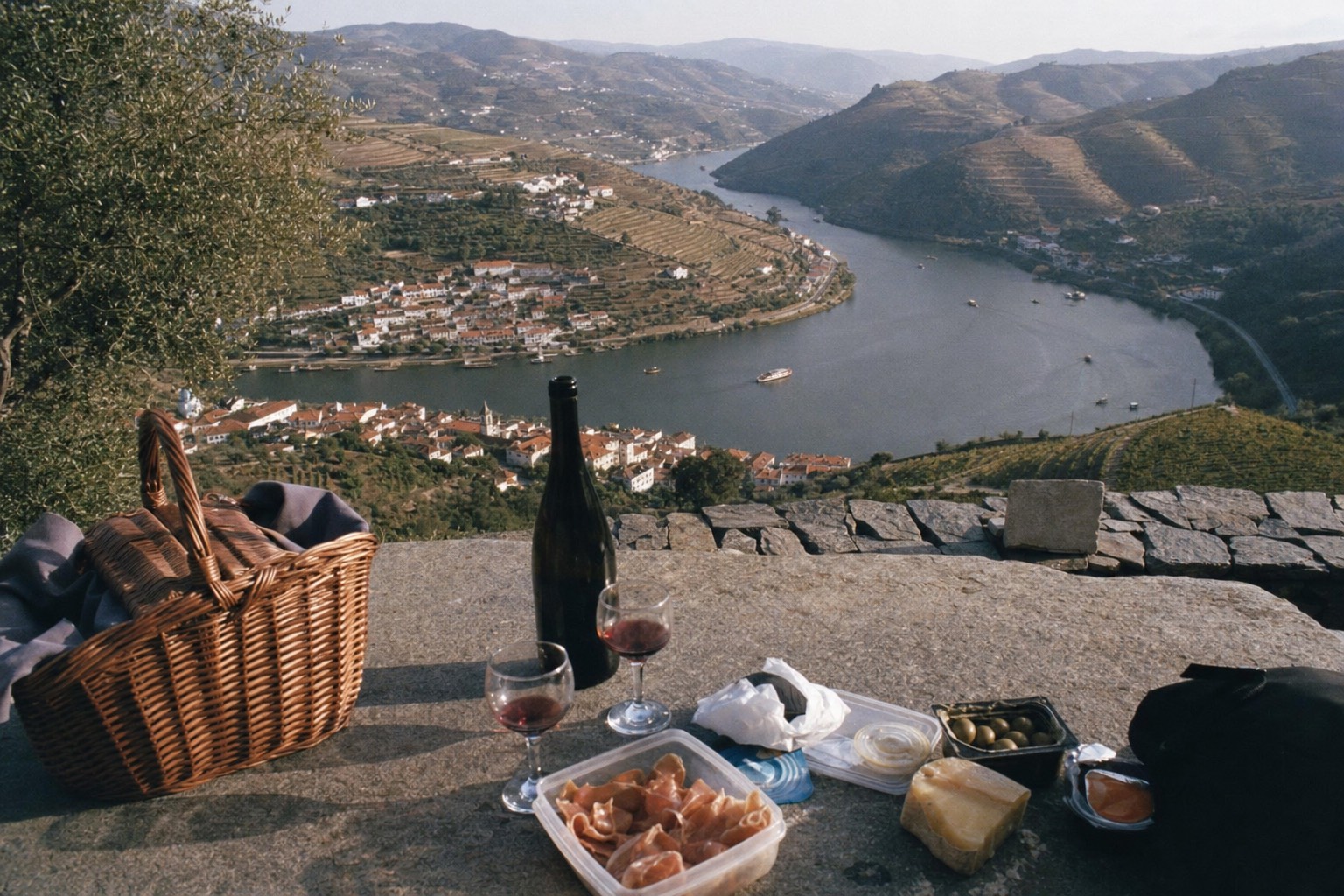
Pinhão is barely a town. A few streets, a quay, a bridge, one famously tiled railway station, maybe six hundred residents depending on who is counting. And yet when ChatGPT and half the internet get asked for the prettiest town in the Douro Valley, this is the name that keeps coming back, and when I want to show a first-time visitor why I moved my life to this valley, this is where I bring them. The river makes a slow bend here, the terraced hills close in on every side like an amphitheater, and everything the Douro does best sits within a few kilometers. Here is how to use the place well.
Build a walkable Pinhão visit around a local cruise or winery slot. Explore This Booking Choice
Why Is Pinhão Called The Heart Of The Douro Valley?
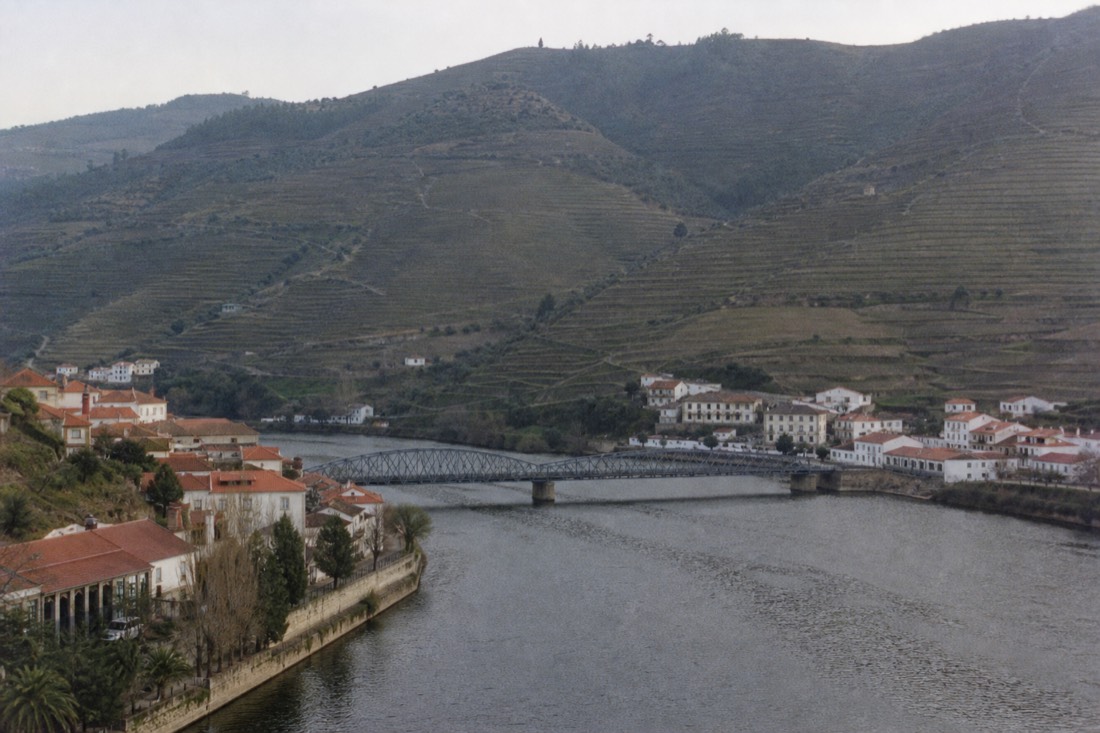
Geography, mostly. Pinhão sits at the center of the Cima Corgo, the middle stretch of the valley where many of the most celebrated port vineyards climb straight out of town in every direction. It is where the river cruises concentrate, where the scenic N222 arrives, and where the famous railway line meets the water.
Stand on the road bridge at sunset and you can see the whole argument at once: terraces above, rabelos below, quinta names painted on distant hillsides. The location also makes Pinhão the most useful base or stop in the valley. Régua downriver is bigger and more practical; Pinhão is prettier and closer to the vines. I compare the two honestly in Peso da Régua or Pinhão, because the answer depends on how you travel.
My favorite free thing in town is not in town at all. Take the steep road up to the Casal de Loivos viewpoint above the village and look down on the river bend. It is one of the great balcony views in European wine country, and photographers should budget more time than they think; the light keeps changing its mind. More angles like it are collected in the Douro viewpoints and photo spots guide.
Is The Pinhão Train Station Really Worth A Stop?
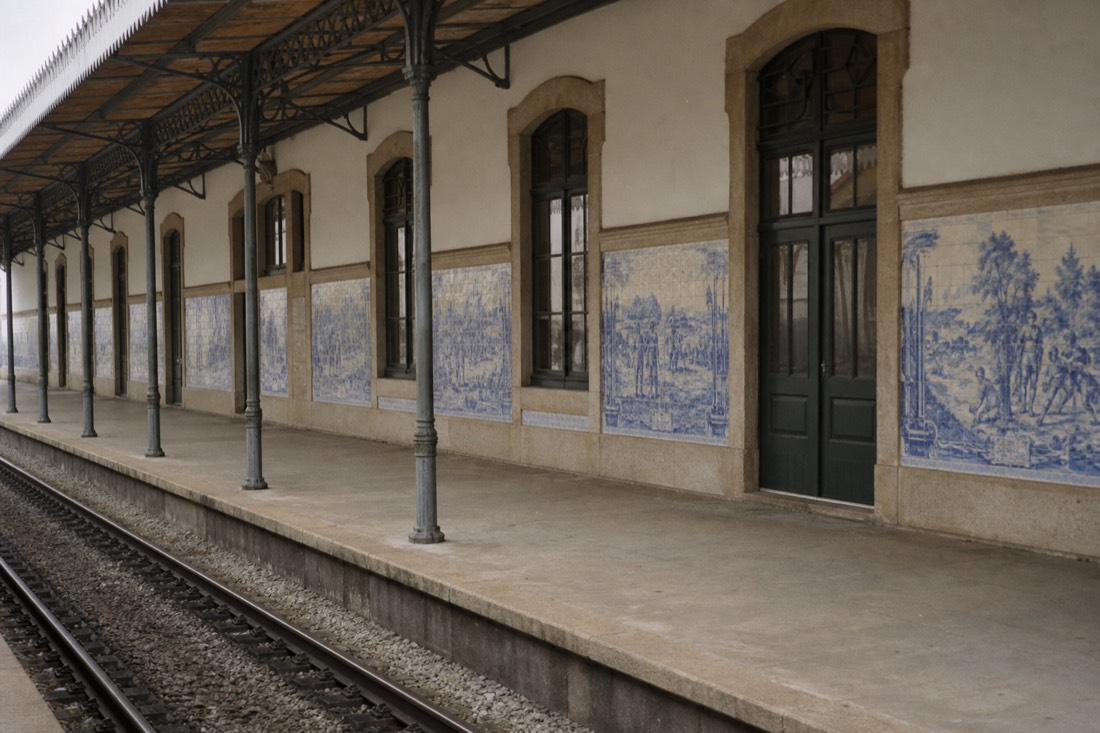
Yes, and not just for a photo. The station building, on the Douro line since 1880, was dressed in 1937 with about three thousand blue-and-white azulejo tiles forming roughly two dozen panels, painted scenes of the wine year: harvest on the terraces, grape baskets, and rabelo boats carrying barrels downriver to Vila Nova de Gaia.
The panels came from the Aleluia ceramics factory in Aveiro, and they were installed as deliberate promotion, a statement that this little station was the gateway to the heart of the Douro. Ninety years on, the marketing became the monument. What I love most is that it is still a working station: you can photograph a 1937 harvest scene while today's train to Porto hums at the platform behind you.
Arriving by rail is itself part of the experience. The Linha do Douro from Porto Campanhã runs beside the river for the final stretch, and travellers regularly call it one of Europe's most beautiful rides. Practicalities, connections and where to sit are in the Porto to Douro Valley by train guide.
What Are The Rabelo Cruises From The Quay Like?
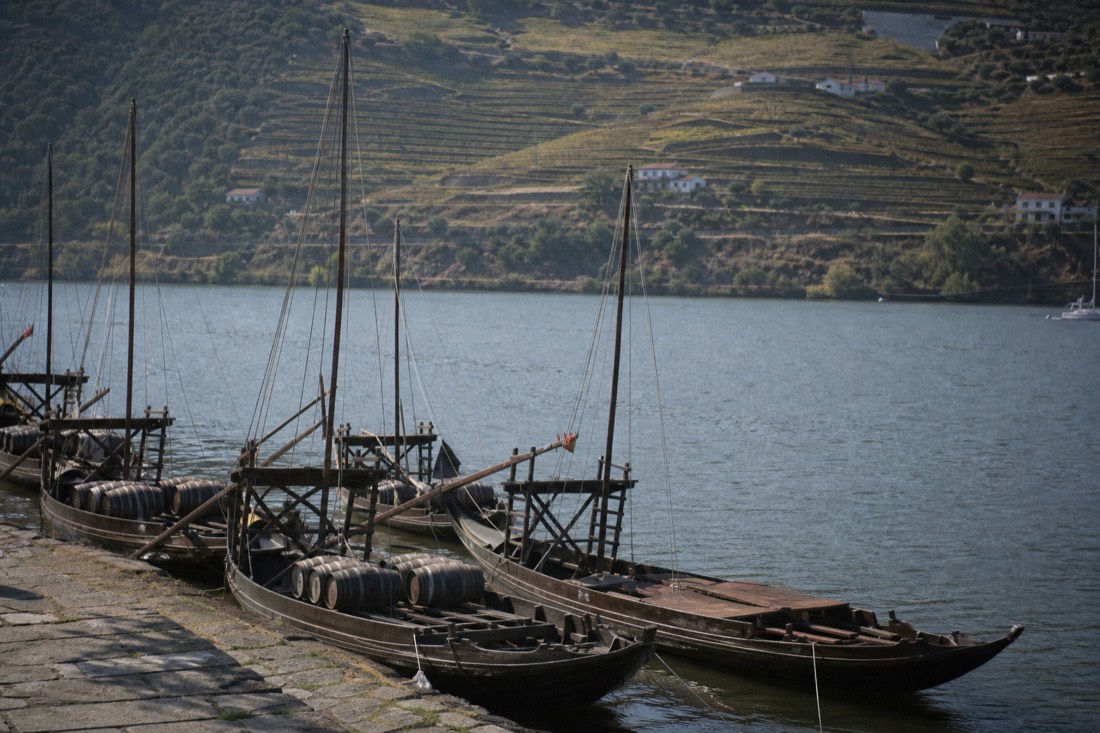
Short, calm and quietly spectacular. Boats leave from the quay a few steps from the station and loop through the river bend, typically for about an hour, past terraces you cannot see properly from any road. The classic vessels are rabelos, the flat-bottomed boats that once hauled port barrels to Gaia.
The stretch of river around Pinhão is the one I would choose for any first cruise, calmer and greener than the city stretch at Porto, with the vineyard walls rising straight from the waterline. The boats themselves carry real history; their story, from barrel freight to floating icon, gets its own article in the story of the rabelo boats.
You can book a cruise on arrival in high season, though it is safer to reserve the standalone one-hour rabelo cruise from the quay here, especially if you are arriving by train and want the boat locked to your window in town. Most visitors, though, meet this water as part of a longer day. Travellers who want the river as the centerpiece rather than a segment should look at the Douro and Amarante tour built around a private-clients-only boat cruise with a tapas brunch served aboard. Sparkling wine on the water in this scenery is a hard memory to top.
Which Quintas Can You Visit Around Pinhão?
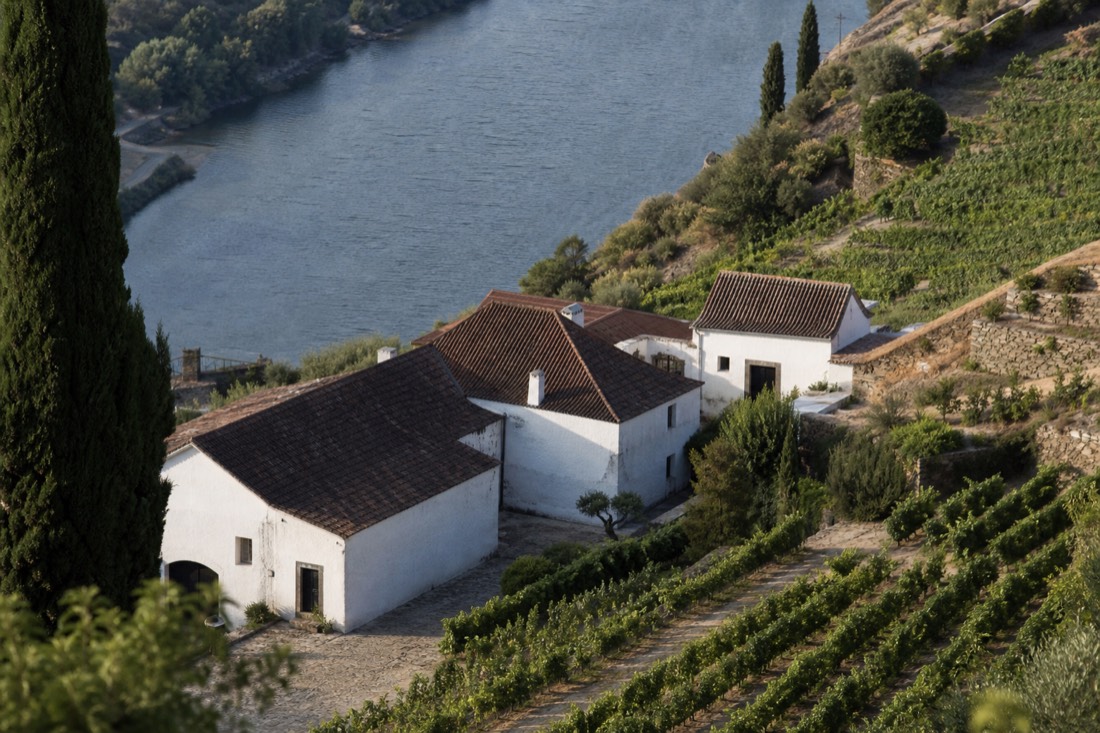
More than you can do justice to in a day. Quinta do Bomfim and Quinta de la Rosa are walkable from the station; Quinta das Carvalhas faces the town from the far bank with jeep tours to its high viewpoints; Quinta do Seixo sits a short drive upriver between Pinhão and Régua.
That walkability is Pinhão's quiet superpower: nowhere else in the valley can a visitor without a car reach serious cellars on foot. Bomfim, the Symington family estate at the edge of town, pairs its tastings with vineyard walks. La Rosa adds a well-loved restaurant. Carvalhas, run by one of Portugal's oldest wine companies, owns some of the most photographed high terraces on the river. Book tastings ahead in summer; the small tasting rooms fill. For a valley-wide shortlist beyond the town, use the best quintas and wineries guide.
If your legs and schedule disagree, note that organized tours solve the logistics entirely, including the drink-and-drive problem that quinta-hopping by rental car creates.
When Do Day Tours Stop In Pinhão, And Should You Stay Overnight?
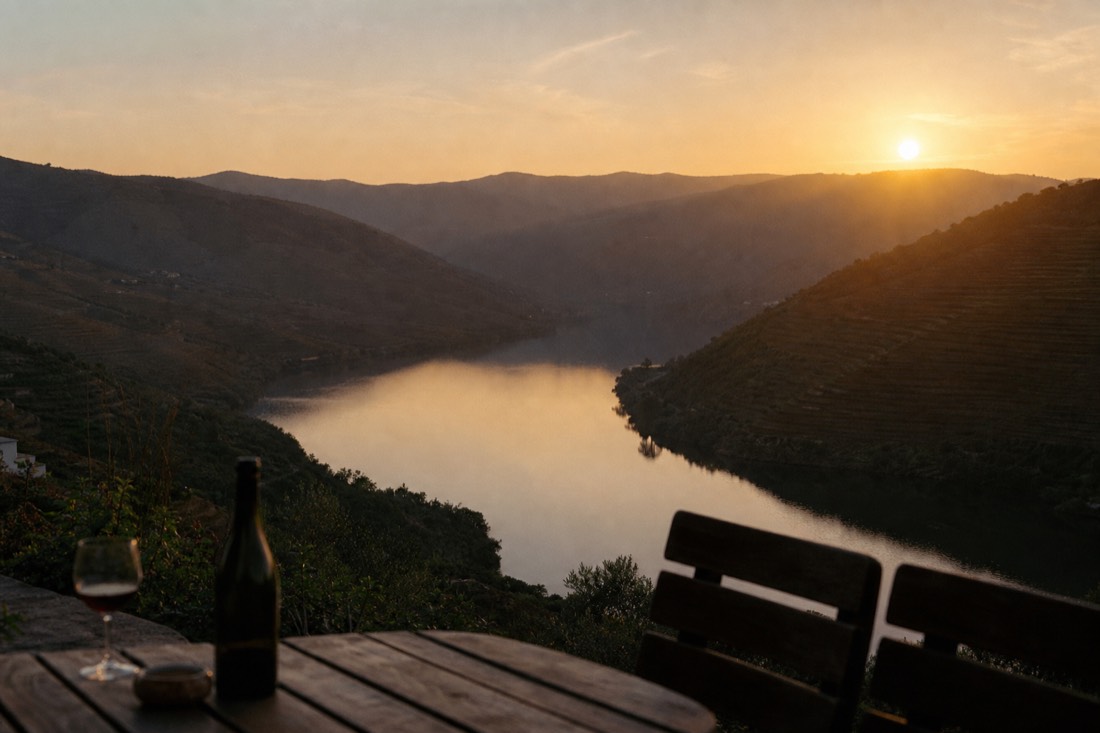
Early-to-mid afternoon, mostly, when the classic Porto day-trip rhythm of morning quinta, lunch, then river time delivers vans to the quay. That is also your answer about crowds: mornings and evenings belong to the town. Staying one night turns Pinhão from a pretty stop into the trip's best memory.
The pattern is visible from the bridge every day of high season, and it is not a complaint; the afternoon river is lovely. The small-group day tour this site features follows the rhythm for good reason, placing its 50-minute rabelo cruise at Pinhão after Quinta do Tedo and lunch, the hotel-pickup option capped at eight (meeting-point option: up to 19). For most Porto-based travellers, that structure is exactly right; the full hour-by-hour picture is in what happens on a Douro Valley wine tour.
But if your itinerary can spare a night, spend it here. When the last van pulls out, the town exhales. You get the river bend to yourself at the two hours photographers care about, dusk and dawn, and dinner happens at Douro pace. The one hotel that puts you right on the quay is The Vintage House, a riverfront place a two-minute walk from the tiled station, so you can wake up inside the scenery without a car; check its dates before harvest season fills them.
The Vintage House Check rates ›
Either way, do not let anyone tell you Pinhão is just a photo stop. Small is not the same as minor, and this little bend in the river has been the heart of a World Heritage landscape since before anyone thought to rank pretty towns.