Porto's Port Cellars: A Guide To The Gaia Wine Lodges
The wine is grown in the Douro, an hour and a half upriver. The bottles you queue to taste are aged on the Porto waterfront. Here is why those two facts have been true for centuries.
A Gaia cellar visit is a compact city experience. Cálem adds a live Fado performance to its cellar tour and Port tasting; save a separate day for the vineyards. Explore Porto: Cálem Cellar Tour, Live Fado Show and Wine Tasting
 Written with Niko Stavros, Douro Valley wine tourism specialist
Short answer
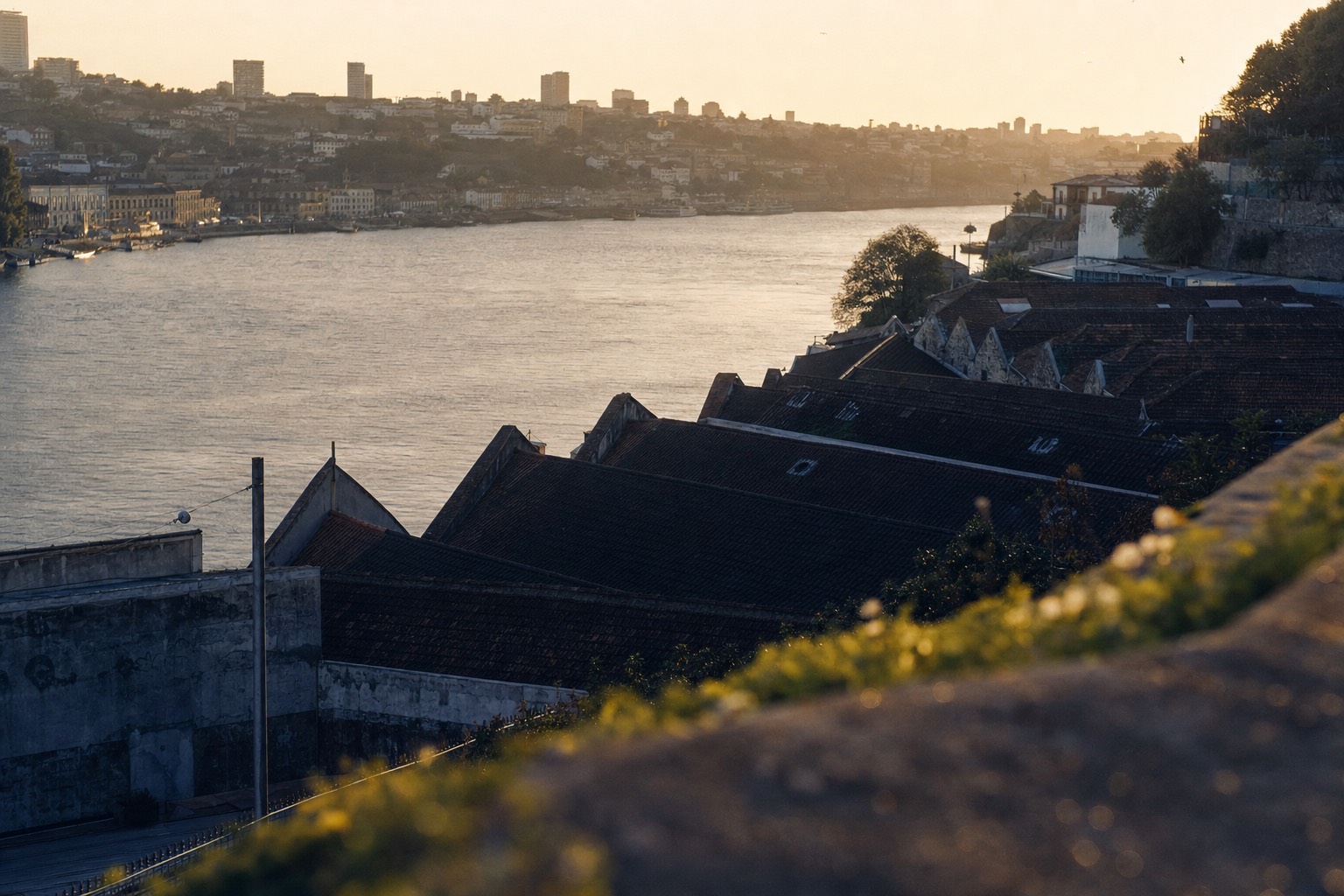
Porto's Port cellars are across the river in Vila Nova de Gaia, the terraced hillside of dark warehouses you see from the old town. Port ages there rather than in the Douro because an 18th-century law required it and the cool, humid Atlantic climate suits long barrel ageing. A lodge tour walks you through those cellars and ends in a tasting of tawny, ruby and often vintage styles, and it makes an easy Porto-side complement to a full day out in the valley.
Cálem: 75-minute cellar, tasting and Fado visit in Gaia. Valley touring takes a separate full day from Porto. Explore Porto: Cálem Cellar Tour, Live Fado Show and Wine Tasting
Stand on the Ribeira waterfront in Porto and look across the river. The hillside opposite is stacked with low dark warehouses, each carrying a name in white letters big enough to read from the far bank: Sandeman, Graham's, Cálem, Taylor's, Ferreira. Those are the Port lodges, and for a lot of visitors they are the first wine tasting of the trip, done on foot before anyone has thought about the Douro. This is what they are, why they sit where they sit, and how to work them into a valley trip rather than instead of one.
Where Are The Port Cellars In Porto?
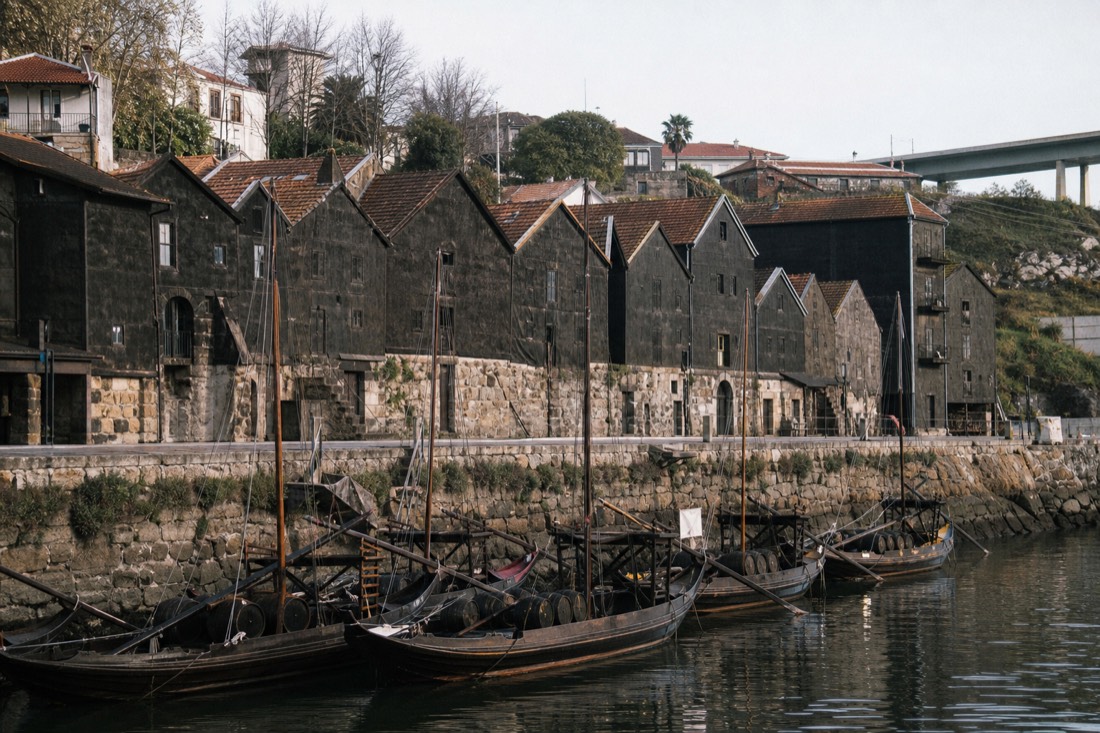
Not in Porto proper, but directly across the Douro in Vila Nova de Gaia, a separate city on the south bank. The lodges climb the slope straight up from the river, a short walk over the Dom Luís I bridge from the Ribeira.
Gaia is close enough that most people never register they have crossed a municipal line. You walk over the lower deck of the bridge, turn along the quay, and the cellar doors are right there, most within ten minutes of each other. The waterfront in front of them is where the old rabelo boats now sit moored as floating advertisements, having spent centuries actually hauling barrels down from the valley. If you want to understand what those boats did, the story of the rabelo boats covers their working life. For now, the useful thing to know is that everything happens in a compact strip you can cover in an afternoon.
Why Does Port Age In Gaia And Not The Douro Valley?
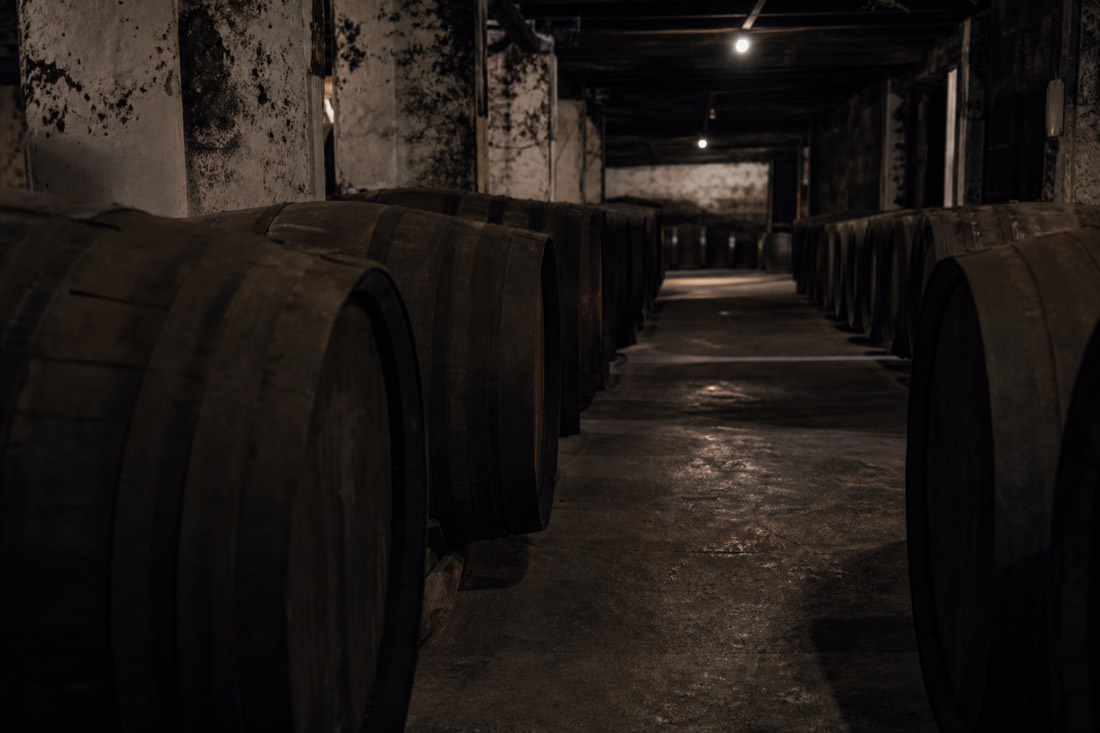
Two reasons, one legal and one practical. In 1756 the Marquês de Pombal made it official that Port for export had to be aged on the Gaia side of the river, and the cool, humid, north-facing Gaia microclimate turned out to suit slow barrel ageing far better than the baking valley did.
The valley grows the grapes and makes the young wine, then historically the barrels came downriver by rabelo to age near the coast. The Douro Superior gets brutally hot in summer, which pushes wine to age fast and unevenly, while Gaia stays cooler and damper year round, so a tawny can sit in wood for a decade or two and evolve slowly. That single geographic accident is why the tasting rooms are here and the vineyards are up there. It is also why doing both, the cellar and the valley, gives you the whole story rather than half of it. If the styles themselves are new to you, start with what Port wine actually is before you book anything.
What Happens On A Gaia Lodge Tour?
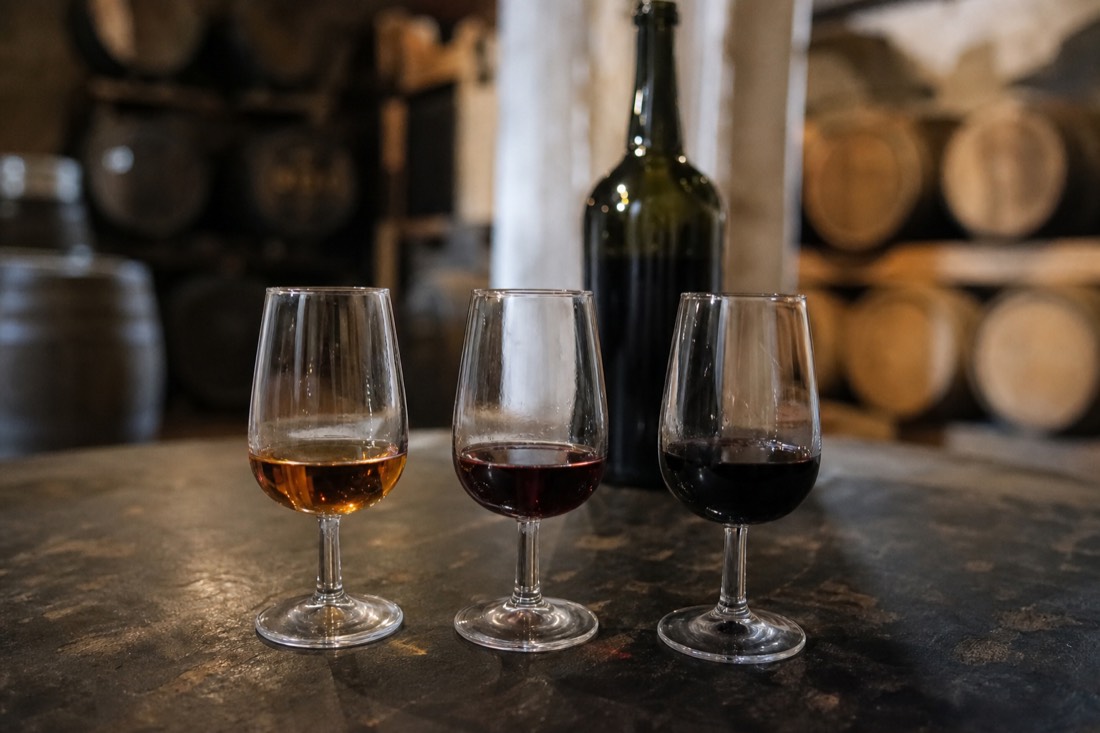
A guided walk through the ageing cellars, then a seated tasting. A guide explains the difference between the barrel-aged and bottle-aged styles as you pass the casks, and you finish with a flight, usually a tawny and a ruby, with vintage or an aged tawny available as an upgrade.
The walk-through part is short and the tasting is the point. Most houses pour at least two contrasting styles so you can taste the split for yourself, which is the fastest way to understand the difference between tawny and ruby Port without reading a word about it. Some lodges add a Fado music session or a food pairing to the standard visit. The Cálem cellar visit with a tasting and live Fado is the version I point Porto-based first-timers toward, since it bundles the walk-through, the wine and a bit of Portuguese music into one easy booking near the waterfront. Book ahead in summer; the popular slots fill, and turning up to a full lodge on a July afternoon is a common way to waste an hour.
Which Lodges Should You Visit?
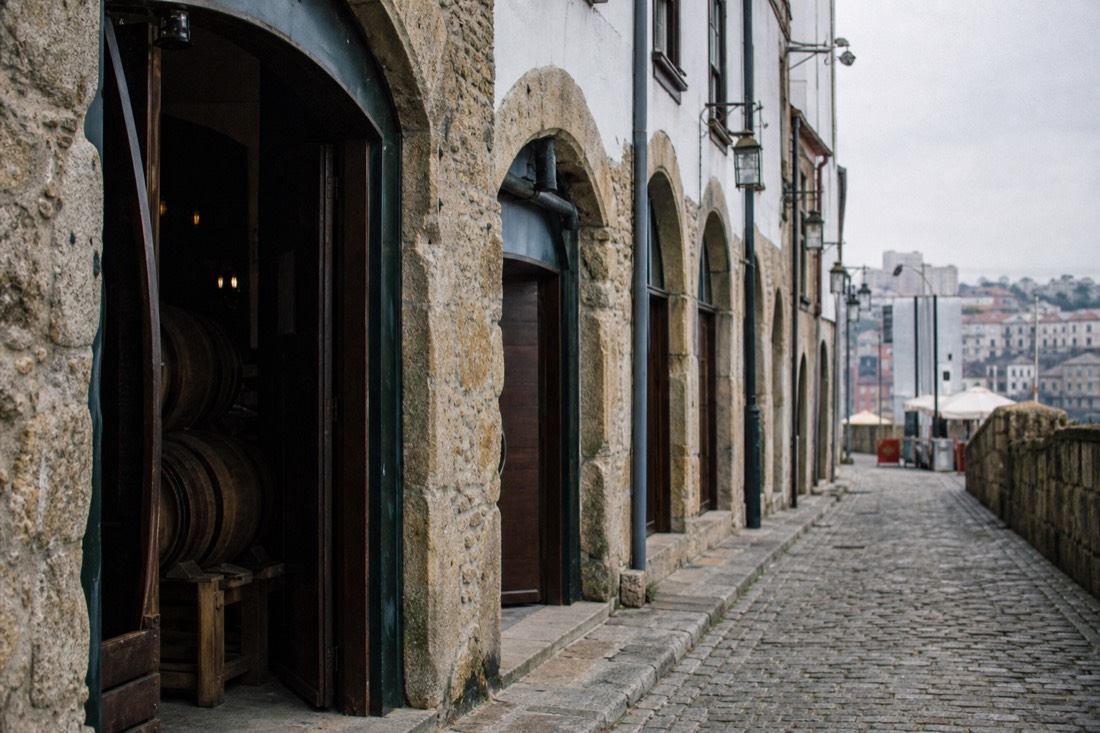
Any of the big names delivers a good visit; the choice is about mood. Sandeman and Cálem sit right on the busy waterfront, Graham's and Taylor's are up the hill with terrace views over Porto, and Ferreira is the great Portuguese-owned house among a row of English and Dutch founders.
The waterfront lodges are convenient and lively, easy to fold into a riverside afternoon. The uphill houses ask for a short climb and repay it with a view and, usually, a calmer visit. Taylor's is one of the oldest names still pouring, Graham's pairs its tour with one of the best terrace panoramas in the city, and Ferreira leans into its Portuguese heritage and the legend of Dona Antónia Adelaide Ferreira. There is no wrong pick here. Choose one for a focused visit or two if you want to compare houses, but three in an afternoon is more Port than most palates enjoy. Keep the last one light.
How Does A Gaia Visit Fit With A Douro Day?
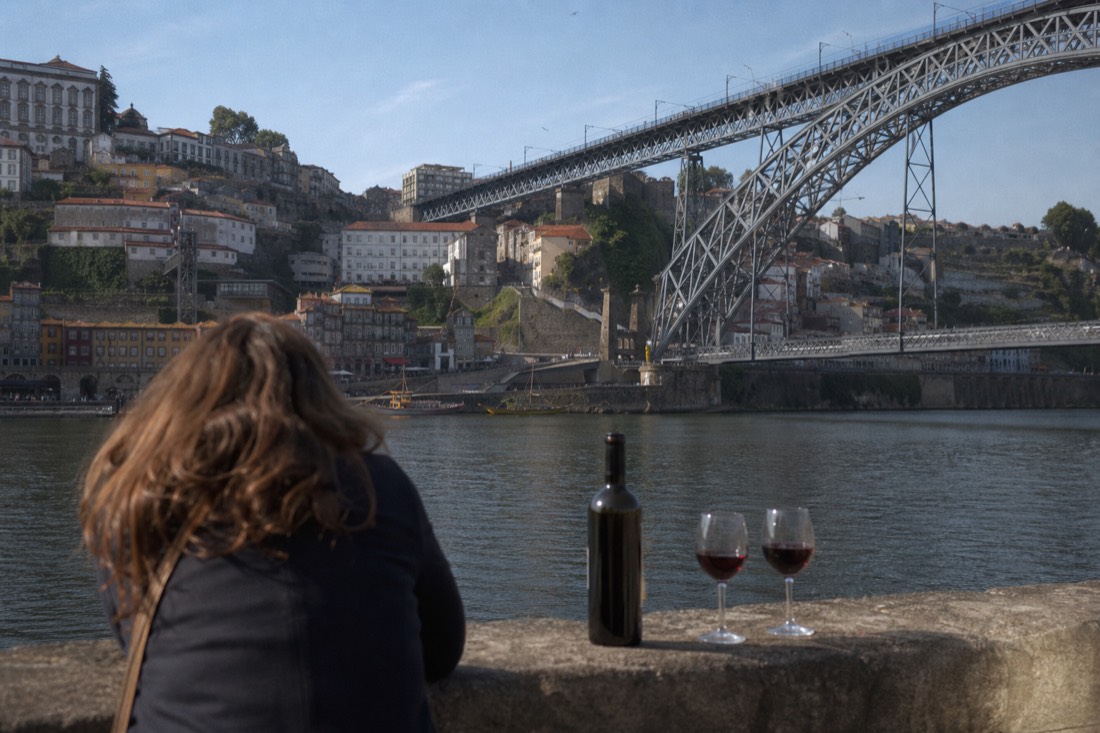
They complement each other rather than compete. Gaia is the ageing-and-tasting half you can do on foot in Porto; the valley is where the wine is grown and the scenery lives. The ideal trip does one of each on different days.
I usually suggest the cellar visit for an arrival or departure afternoon, when you have a few Porto hours but not a full day, and the valley for a proper outing. Seeing the barrels in Gaia first actually improves the vineyard day, because you already understand what those terraces feed into. For the valley half without the driving, the small-group day tour this site features runs two quinta tastings, a Portuguese lunch and a 50-minute rabelo cruise, offers hotel pickup for up to eight guests, and holds 4.9 across 5,576 combined Viator and Tripadvisor reviews. Cellar in the city, quintas in the country: that is the pairing I would book.
Common Questions About The Gaia Port Cellars
Are the Port cellars in Porto or Gaia?
In Vila Nova de Gaia, the city on the south bank of the Douro directly across from Porto's old town. It is a short walk over the Dom Luis I bridge, so most visitors treat it as part of Porto.
Why is Port aged in Gaia instead of the Douro?
An 18th-century law required Port for export to be aged on the Gaia side, and the cooler, more humid coastal climate suits long barrel ageing far better than the hot valley. The wine was historically brought down by rabelo boat.
Do you need to book a Port lodge tour in advance?
In high season, yes. The popular houses and time slots fill on summer afternoons, so reserving ahead saves you queuing or being turned away. Off-season you can often walk in.
Is a Gaia cellar tour a substitute for a Douro Valley day?
No, they show different halves of the same story. Gaia is where Port ages and where you taste; the Douro is where it grows amid the terraced scenery. Doing both, ideally on separate days, gives the full picture.
Your Next Step
Porto: Cálem Cellar Tour, Live Fado Show And Wine Tasting
Have a free Porto evening? Check Cálem’s cellar, Port tasting and Fado visit before arranging dinner. Check your travel date before arranging the rest of your visit. Cálem cellar visit, two Port wines and a live Fado show in Gaia.
75 minutes: 30-minute cellar/museum visit and 45-minute Fado show. English guided visit offered; meet at Cálem in Vila Nova de Gaia. Two Port wines included; minimum drinking age 18. No hotel pickup or food included.
An initial recommendation, before you make any choices. Confirm the option and restrictions for your party.
Choose your travel date, or open the tour on Viator.
Which Part Of The Wine Story?
| Experience | Why Choose It | Allow | What To Account For |
|---|---|---|---|
| Porto: Cálem Cellar Tour, Live Fado Show and Wine Tasting | Cálem cellar visit, two Port wines and a live Fado show in Gaia. | 1.25 hours | 75 minutes: 30-minute cellar/museum visit and 45-minute Fado show. English guided visit offered; meet at Cálem in Vila Nova de Gaia. Two Port wines included; minimum drinking age 18. No hotel pickup or food included. |
| Douro Valley Small Group Tour: 2 Wineries, Lunch & River Cruise | Two winery tastings, Portuguese lunch and a Pinhão river cruise from Porto. | 10 hours | 9–10 hours; English offered. Central Porto hotel pickup option: up to 8 guests; central meeting option: up to 19. Port and DOC Douro tastings and lunch included; wineries can change. Winery visits and river cruise may include other customers. Gratuities extra; confirm dietary needs and child arrangements before booking. |