Types Of Port Wine: Vintage, LBV, Colheita, White And Rosé Explained
A Douro-based guide past tawny and ruby: what vintage port, LBV, colheita, white port and rosé actually are, how each is aged, and which to reach for first.
Choose a flight with named styles instead of expecting every Port category from one tasting. Check The Recommended Experience
 By Niko Stavros, Douro Valley wine tourism specialist
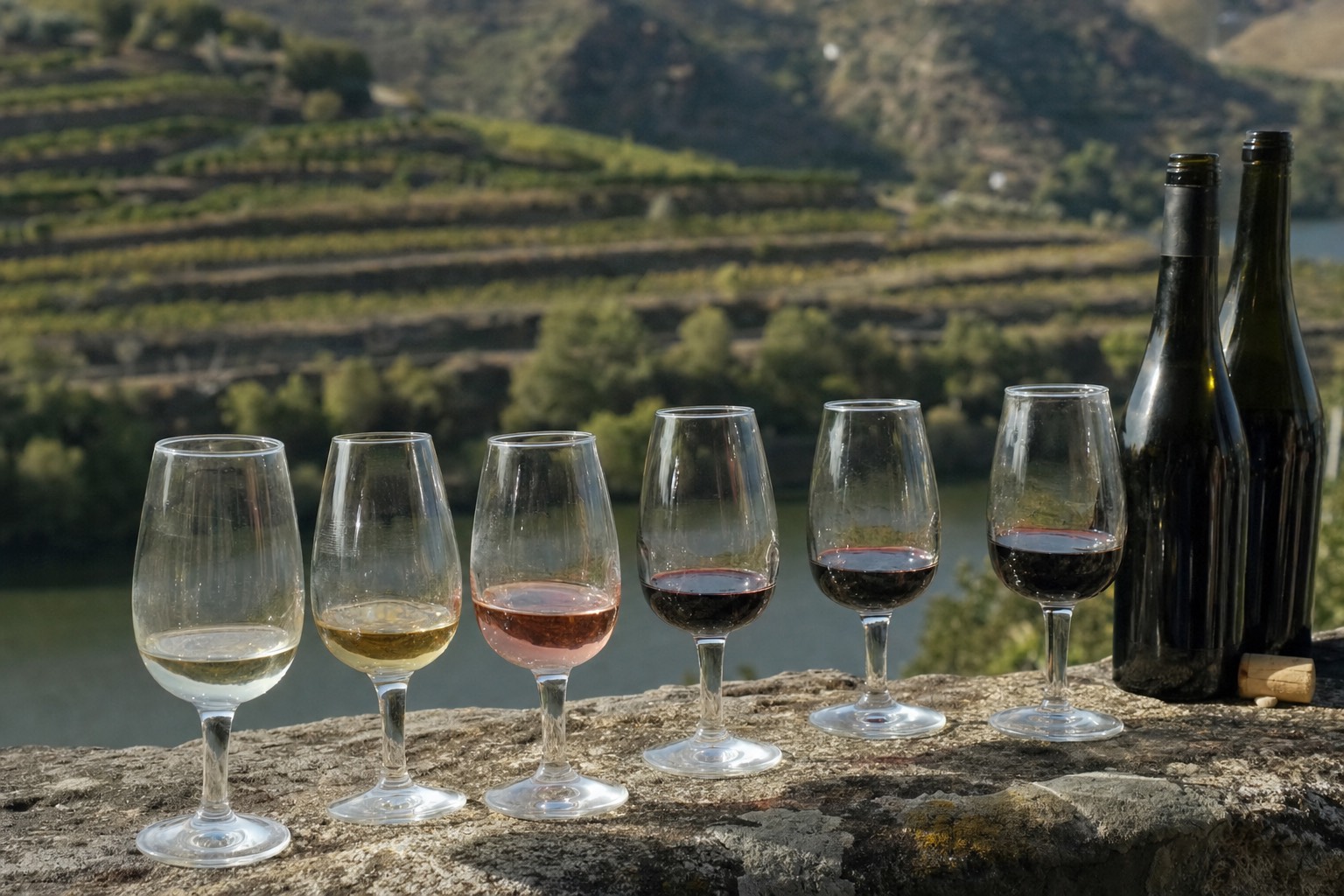
Most people meet port through two words, tawny and ruby, and stop there. That covers maybe half of what a good estate will pour you. The other half is where port gets genuinely interesting: a vintage bottle built to outlive the person who bought it, a chilled white poured over ice on a hot terrace, a pink one that did not exist twenty years ago. I taste guests through this wider map most weeks, and the reaction is always the same relief. Port is not one stuffy drink. It is a whole shelf of them, and once you can name the styles, a Douro tasting stops being a guessing game.
Choose a flight with named styles instead of expecting every Port category from one tasting. Explore This Booking Choice
If tawny and ruby are still fuzzy, start with the two-family head-to-head in tawny vs ruby port, and if the word "fortified" itself needs unpacking, what is port wine, explained does the groundwork. This piece picks up where those leave off.
What Port Styles Exist Beyond Tawny And Ruby?
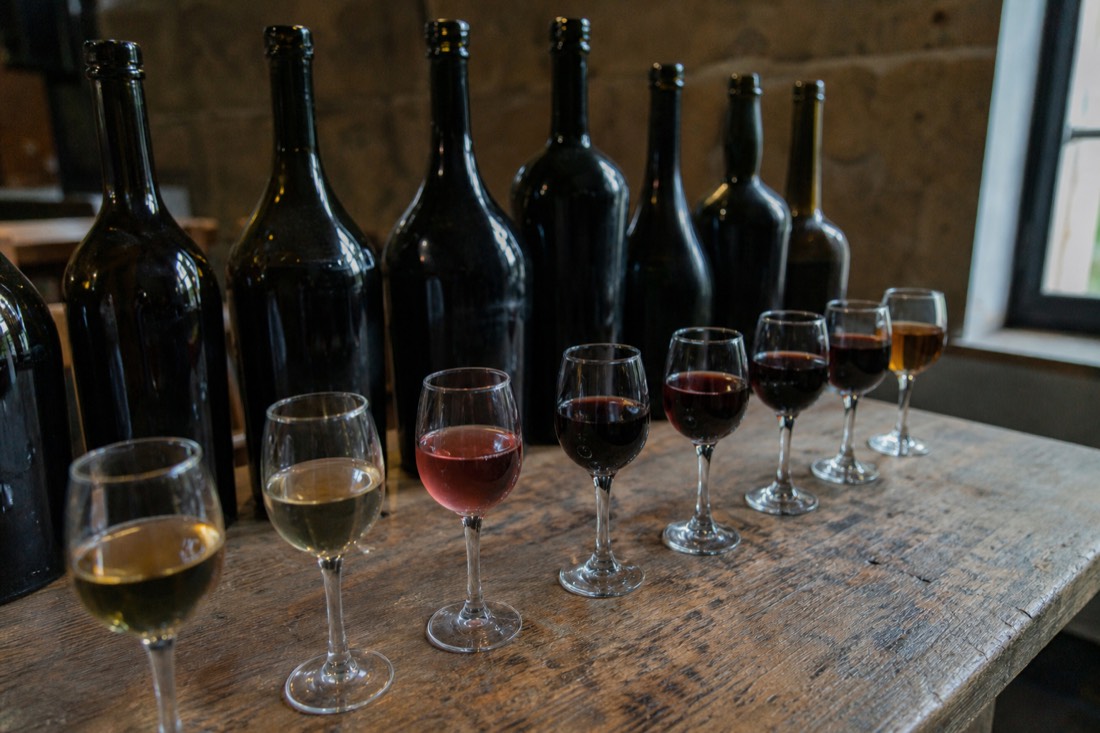
Quite a few. Tawny and ruby are the two aging families, but inside and around them sit vintage port (the cellar-worthy flagship), Late Bottled Vintage and colheita (single-year bottles at friendlier prices), white port from white grapes, and rosé, the newest style of all. Each one answers a different question at the table.
Think of it as a family tree rather than a list. Ruby and tawny describe how the wine was aged, protected from air or slowly exposed to it. Vintage, LBV and colheita describe when the grapes were picked, all from one single year. White and rosé come from different grapes or a different method entirely. A single estate flight often walks you across three or four of these in twenty minutes, which is the fastest wine lesson going. Do it on the small-group day tour this site features and you get guided tastings at two quintas rather than one, so you can compare how different houses handle the same styles, with the hotel-pickup option capped at eight (meeting-point option: up to 19).
What Is Vintage Port, And Is It Worth The Money?
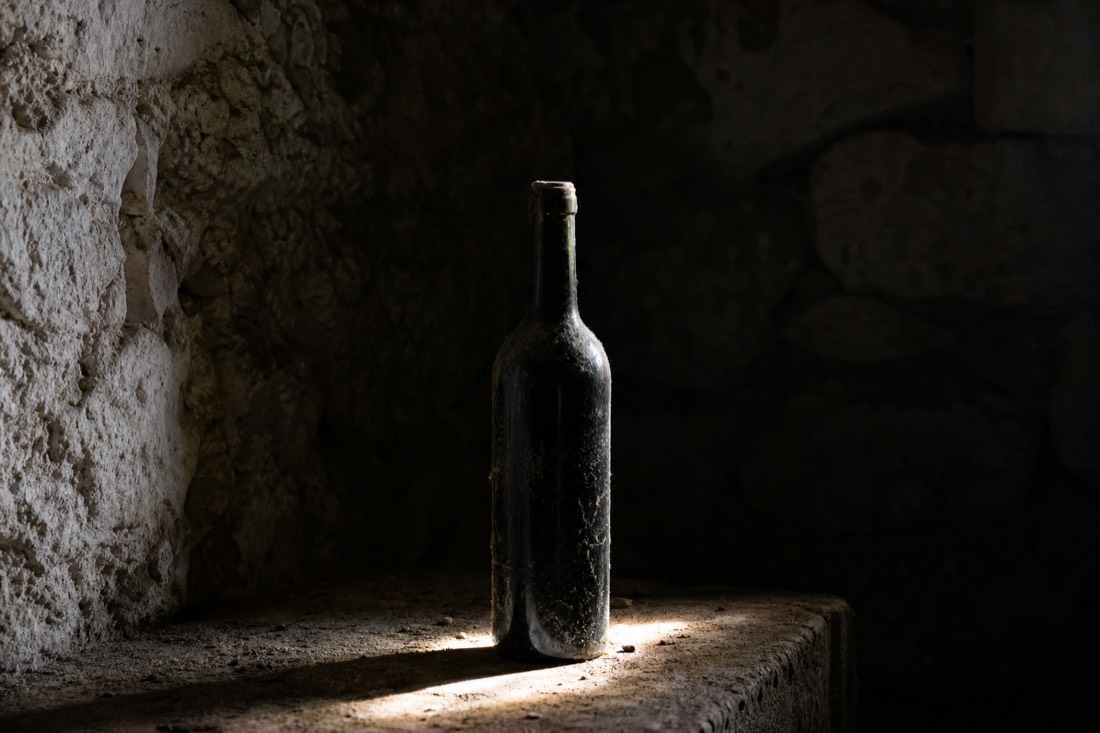
Vintage port is the rare, top-tier bottle. It comes from a single exceptional harvest that producers formally "declare", spends only about two years in large oak vats, then does the rest of its aging in the bottle, evolving for twenty, forty, sometimes fifty years or more. It is powerful, structured, and made to be kept.
The word "declared" is the part worth understanding. Producers only make a vintage in years when the fruit is good enough to justify it, historically around three times a decade, so a vintage bottle is a statement that this particular harvest was special. Because the aging happens in glass rather than wood, a young vintage arrives at your table tight and tannic, closer to a serious red than a sweet dessert wine. Open one too early and you miss the point. Decant it, give it air, and on a great old bottle you get one of the most complete experiences in wine.
Is it worth it? For a special occasion, yes, though it is the least beginner-friendly style here. If you love the flavor of maturity but not the wait or the price, the next two bottles are where most people should actually start.
Are LBV And Colheita The Two Smartest Bottles To Buy?
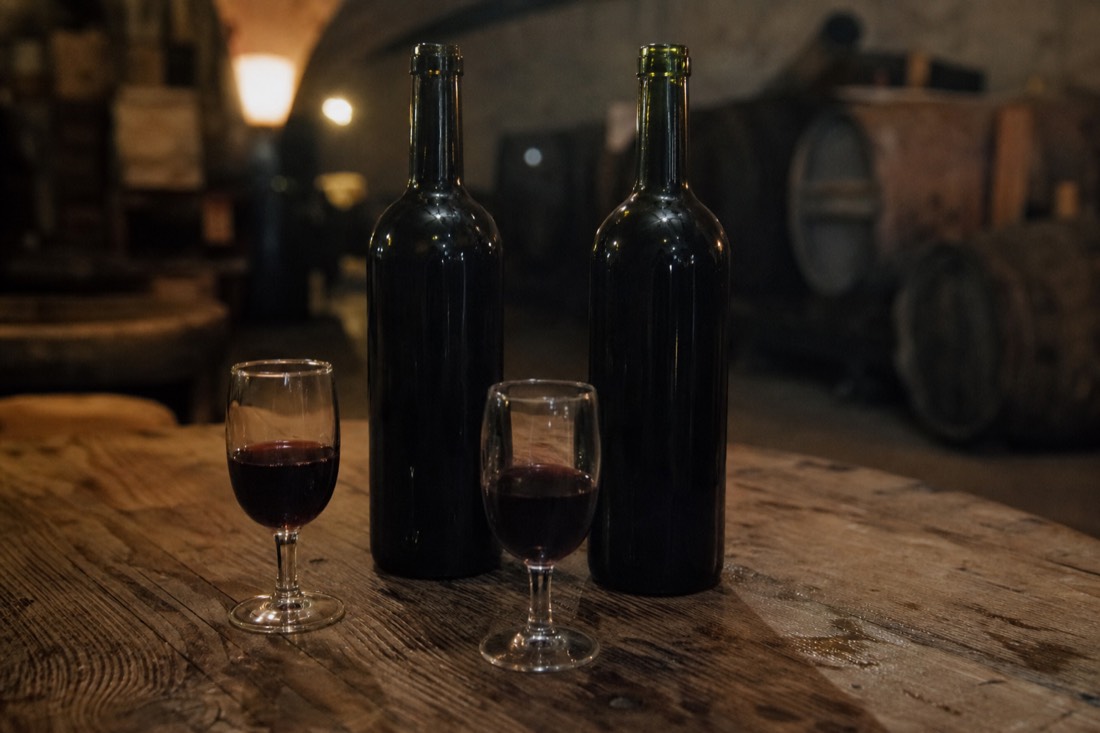
Often, yes. Late Bottled Vintage takes wine from a single year and ages it four to six years in wood before bottling, giving you vintage-style depth without the decades of patience. Colheita is a single-harvest tawny aged at least seven years in cask, sometimes far longer, carrying its vintage year on the label.
These two are my quiet favorites to recommend. LBV drinks like a more affordable, ready-now cousin of vintage: dark fruit, real structure, no need to lie it down for a generation. Colheita is the sleeper. Because it is a tawny from one single year rather than a blend, it tastes both aged and specific, and finding a bottle stamped with the year you were born, or married, or first came to the Douro, is a small thrill that the big blended tawnies cannot give you.
What Is White Port, And How Do You Drink A Porto Tónico?
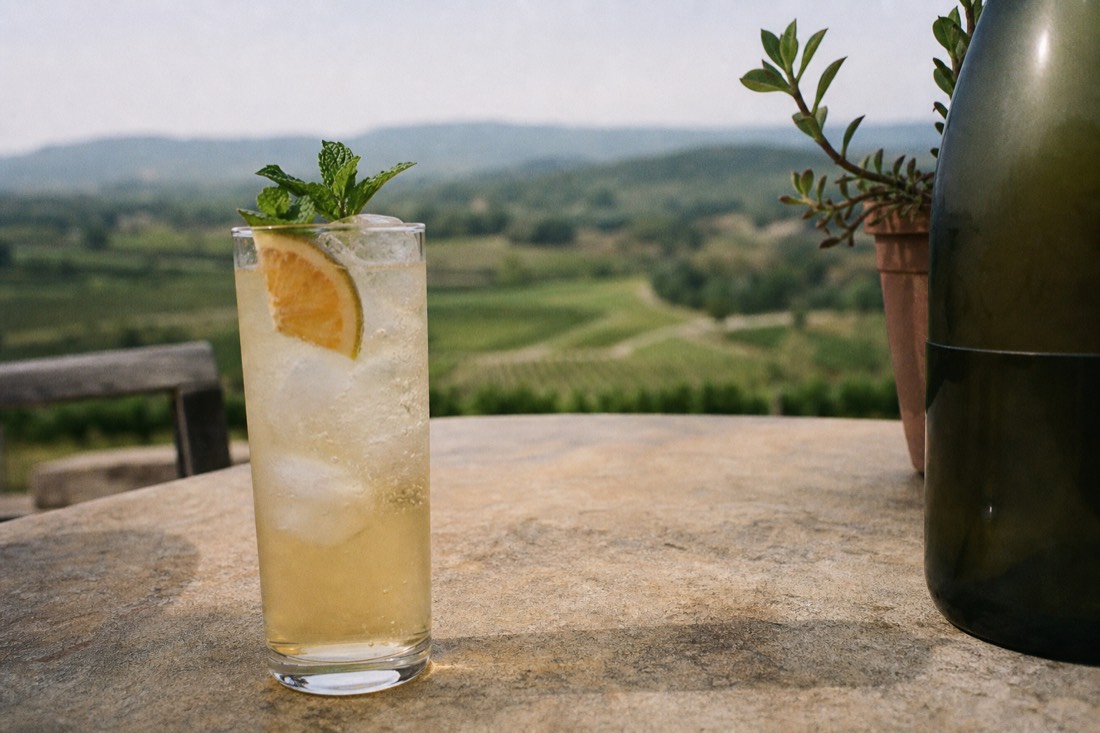
White port is made from white grapes and usually aged briefly, so it stays fresh, with citrus peel and honey notes. Locals rarely sip it neat in summer. They build a porto tónico: white port over plenty of ice, topped with tonic water, a twist of lemon or orange, sometimes a sprig of mint. It is the Douro's answer to an aperitivo.
This is the style that surprises visitors most, because it breaks the "port is a heavy after-dinner drink" rule entirely. A porto tónico is light, cold and refreshing, the thing people actually order at five in the afternoon when the terraces fill up. If your trip keeps you in Porto rather than the valley, you can taste white alongside the darker styles at a lodge across the river: a Gaia cellar tour and tasting is a separate downtown booking that runs all day and makes a good primer before you head upriver. Try the white on ice at least once. It is the least "port-tasting" port there is, and it converts skeptics fast.
Is Rosé Port A Real Style Or A Marketing Trick?
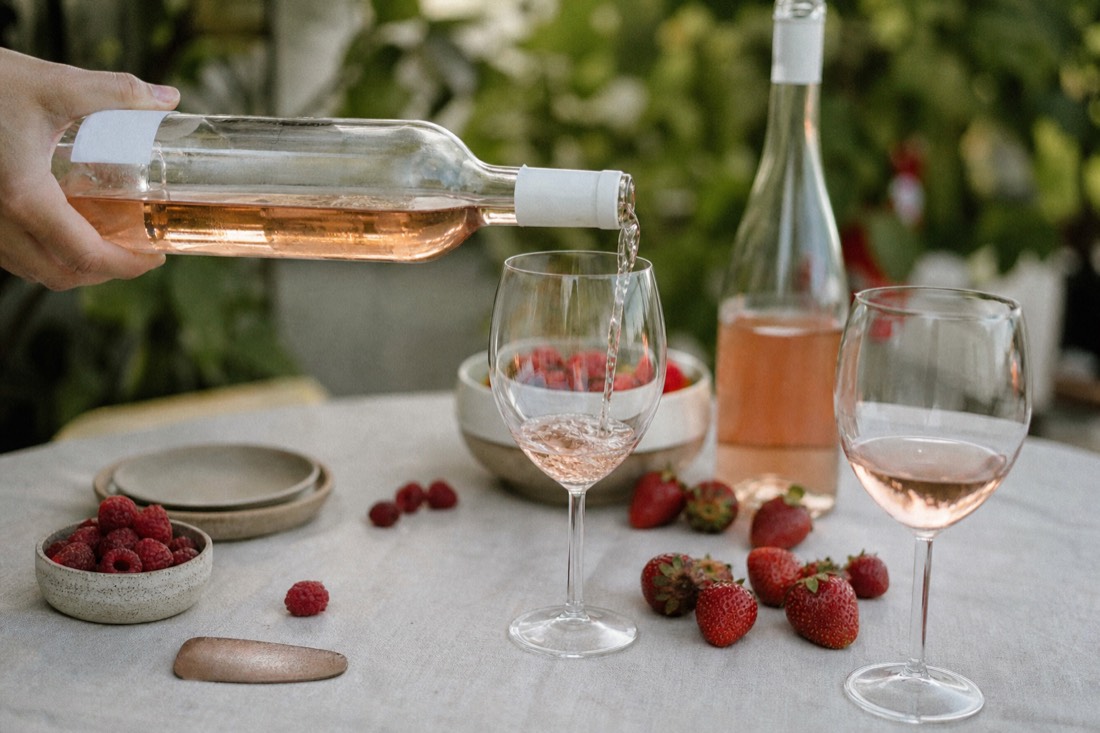
Real, but new. Rosé port is genuinely young: the first commercial one, Croft Pink, launched in 2008. It is made from red grapes with only brief skin contact, giving a pale pink color and fresh berry flavors, and it is vinified cool for crispness. Serve it cold, over ice, often with a slice of orange.
Purists rolled their eyes when it arrived, and I understand why. But dismiss it and you miss the plot: rosé port did exactly what white port does, dragged a heritage drink onto a summer terrace and got a younger crowd curious. It is closer to a fruity, fortified rosé than to anything your grandfather kept in the sideboard. Not a bottle I cellar, but a genuinely pleasant one on a hot day, and a useful reminder that the port world is still inventing itself.
Where Can You Taste All These Styles In One Trip?
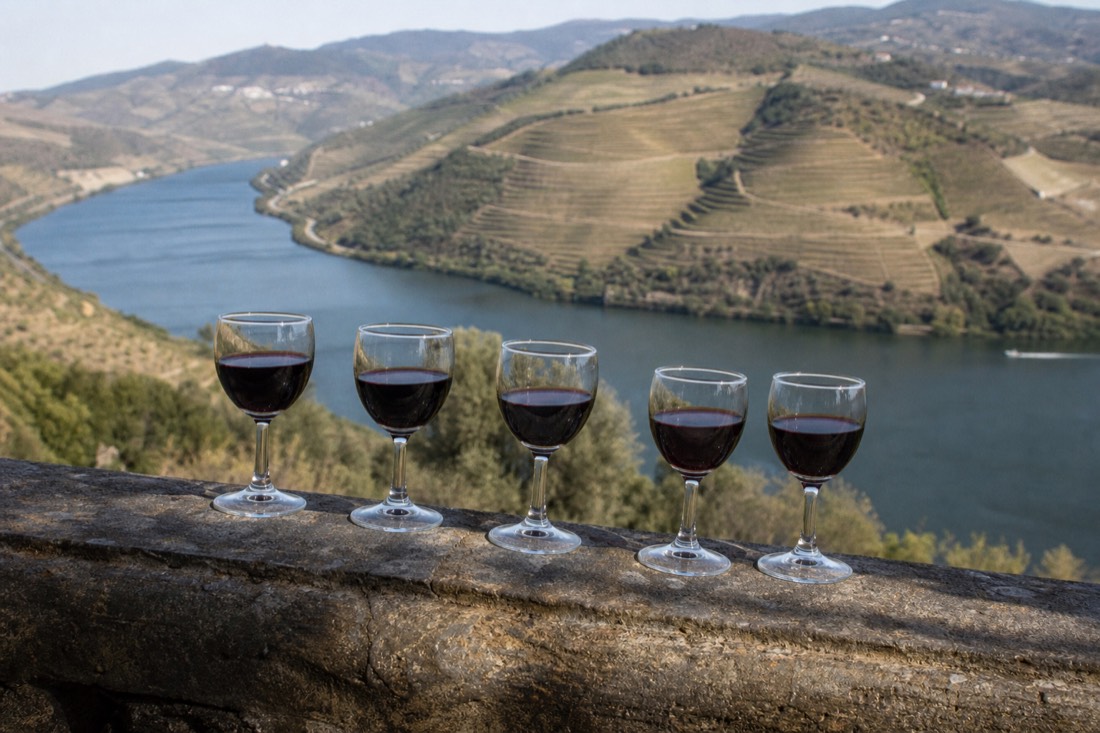
Two settings cover the whole map. The historic lodges of Vila Nova de Gaia, across the river from Porto, run big-house tastings that pour multiple styles side by side. The quintas up in the valley pour their own wines where the grapes actually grow, which connects each style to the landscape that made it.
My honest bias runs upriver. A vintage tasted a hundred meters from the terraces it came from lands differently than the same wine in a city tasting room, however historic that room is. A day tour solves the one real obstacle, which is that comparing five styles means five pours and nobody should then drive the N222. The featured small-group day builds its route around guided tastings at Quinta do Tedo and Quinta do Beijo, adds lunch and a rabelo cruise.
Once you know which styles you love, you can choose your stops around them. The best quintas and wineries guide sorts the valley by what each estate pours best, and if a bottle wins your heart, the best port wine to bring home covers getting it back in one piece. Port is one of the last great wines still priced below its quality. Knowing the styles is how you spend that bargain well.