The Prettiest Villages In The Douro Valley: Provesende, Favaios, Mesão Frio And More
Past the famous river bends sit the Douro's stone villages: Provesende's manor houses, Favaios and its Moscatel, Mesão Frio the gateway, plus the monastery at Salzedas and the fortified bridge at Ucanha.
Choose a village itinerary that names the places you want to visit. Check The Recommended Experience
 By Niko Stavros, Douro Valley wine tourism specialist
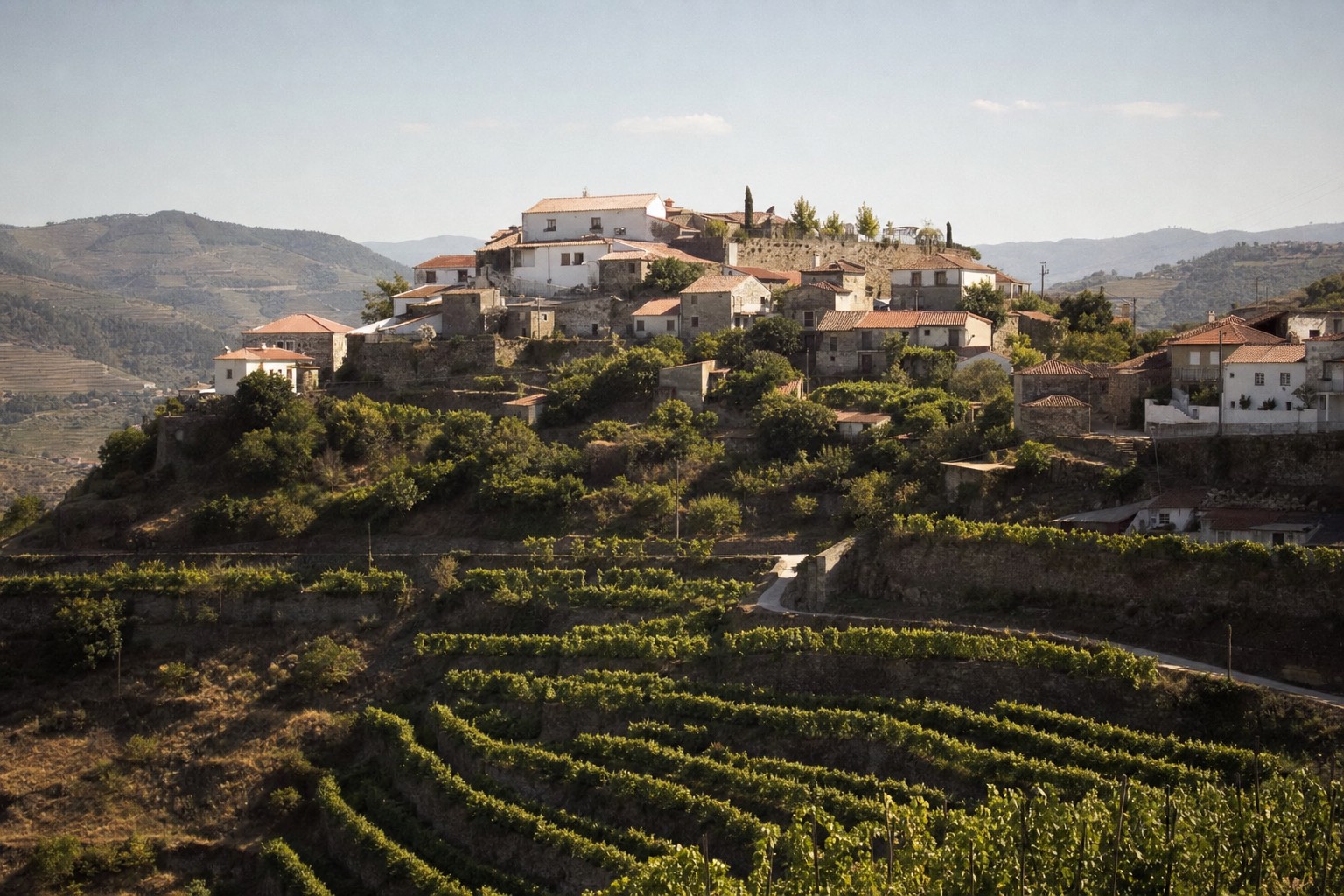
Everyone photographs the river. Fewer people climb away from it, up the switchbacks into the hills where the Douro keeps its stone villages, and that is where the region gets quietly wonderful. These are places of granite coats of arms and wood-fired bread, of a single café and a church too big for the population, where the wine wealth of three centuries left behind manor houses and then mostly moved on. I send curious travelers up here whenever they have a spare afternoon. Here are the ones worth the climb, and what to do when you reach them.
Choose a village itinerary that names the places you want to visit. Explore This Booking Choice
Which Are The Prettiest Villages In The Douro Valley?
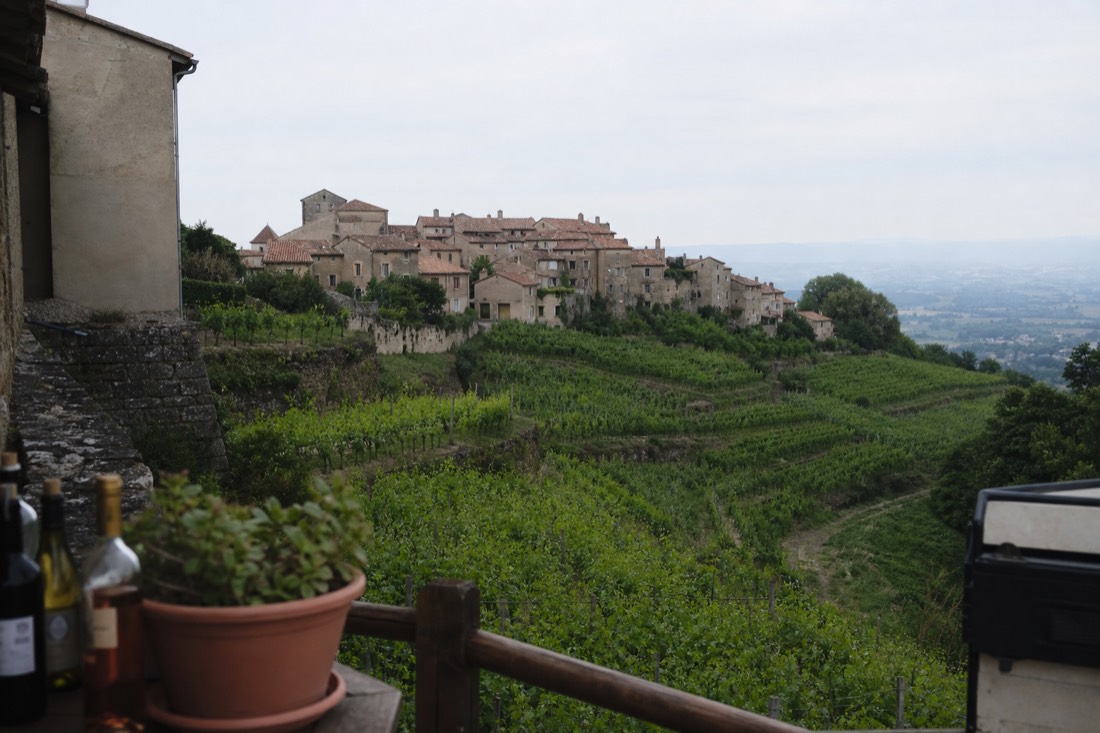
A handful stand out above the rest: Provesende for its manor houses and famous bakery, Favaios for Moscatel wine and its four-cornered bread, and Mesão Frio, the historic western gateway to the region. Add the monastery village of Salzedas and neighboring Ucanha with its fortified bridge, and you have an afternoon that most valley visitors never see.
These are not river towns like Pinhão or Régua. They sit up in the hills, on plateaus and back roads, and reaching them takes a little effort that pays off in emptiness. If you are deciding where to base yourself first, the river towns still make the better hub, and Peso da Régua or Pinhão weighs those two honestly. The villages below are day-out detours from either.
What Makes Provesende Worth The Climb?
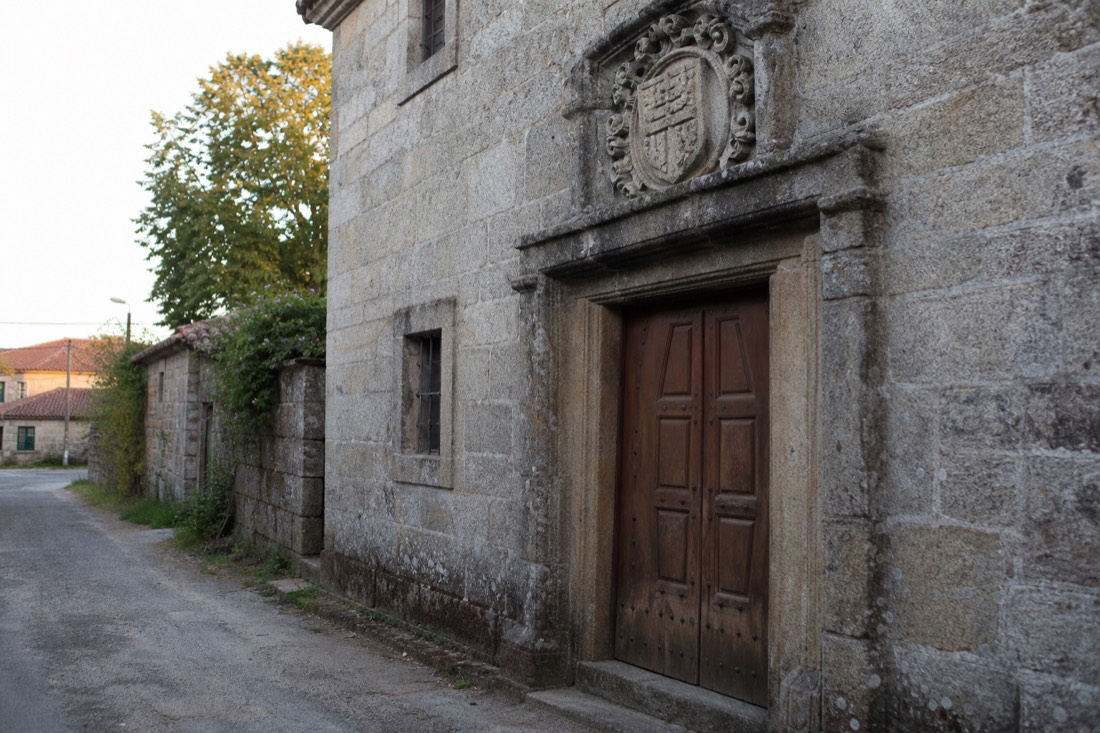
Provesende was once the seat of the Douro's great wine dynasties, and their money is still standing. Manor houses from the 17th to 19th centuries ring a small central square, many with granite coats of arms carved above their doors. The village bakery, in a converted olive press, has baked sourdough in a wood-fired oven since 1940.
Provesende rewards slow walking. Look up and you see the brasões, the carved family crests, that mark house after house, each one a former wine dynasty's calling card. The bakery is the ritual, though: locals still come for a fresh loaf from the wood oven every morning, and the smell reaches the square before you find the door. Sit in that square with the bread and a coffee and you understand why people who fall for the Douro tend to fall for it up here, not on the tour-boat quays.
Why Is Favaios Famous For Moscatel And Four-Corner Bread?
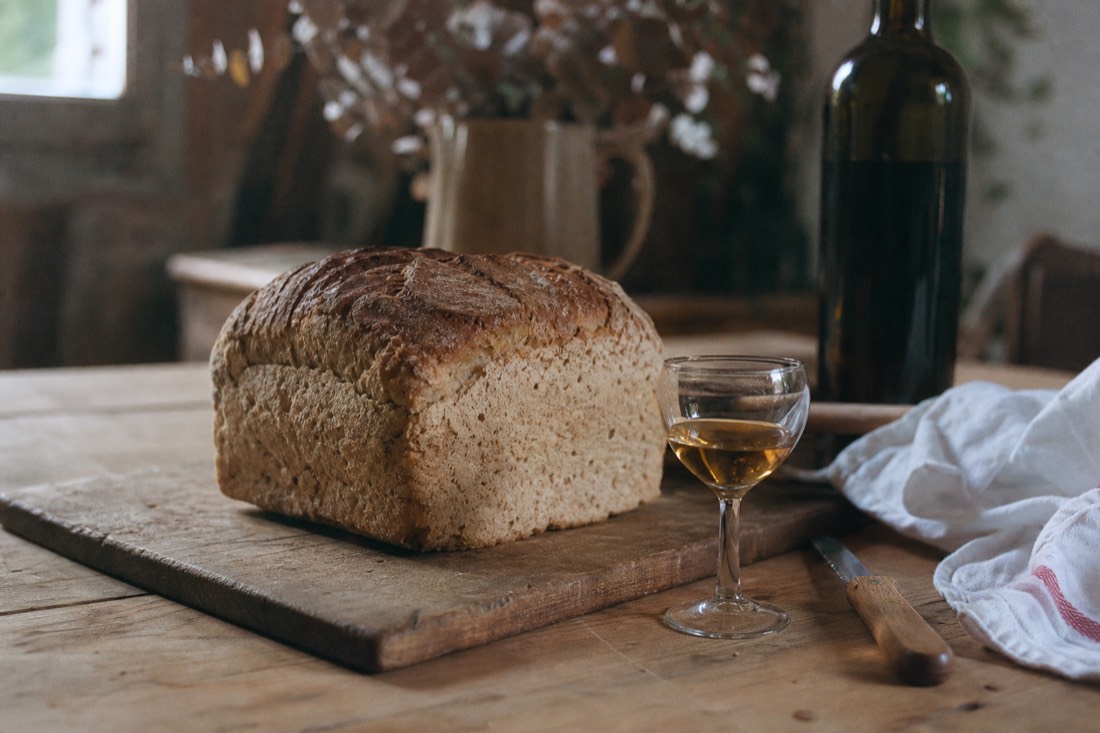
Favaios sits on a high plateau and makes Moscatel de Favaios, a sweet fortified wine produced in only a couple of places in Portugal and found nowhere else in the world quite like it. The village is equally known for its "four corners" bread, a centuries-old loaf shaped by hand into four points. There is even a small museum devoted to the two.
Favaios is a lovely reminder that "Douro wine" means more than port and dry reds. Its Moscatel is a different animal: aromatic, honeyed, made from the Moscatel Galego grape on that cool plateau, and served chilled as an aperitif or with dessert. Pair a glass with the local bread, still warm, and you have the whole village on a plate. The Bread and Wine Museum sits in an old solar building and takes twenty unhurried minutes, the right speed for a place like this.
Is Mesão Frio Really The Gateway To The Douro?
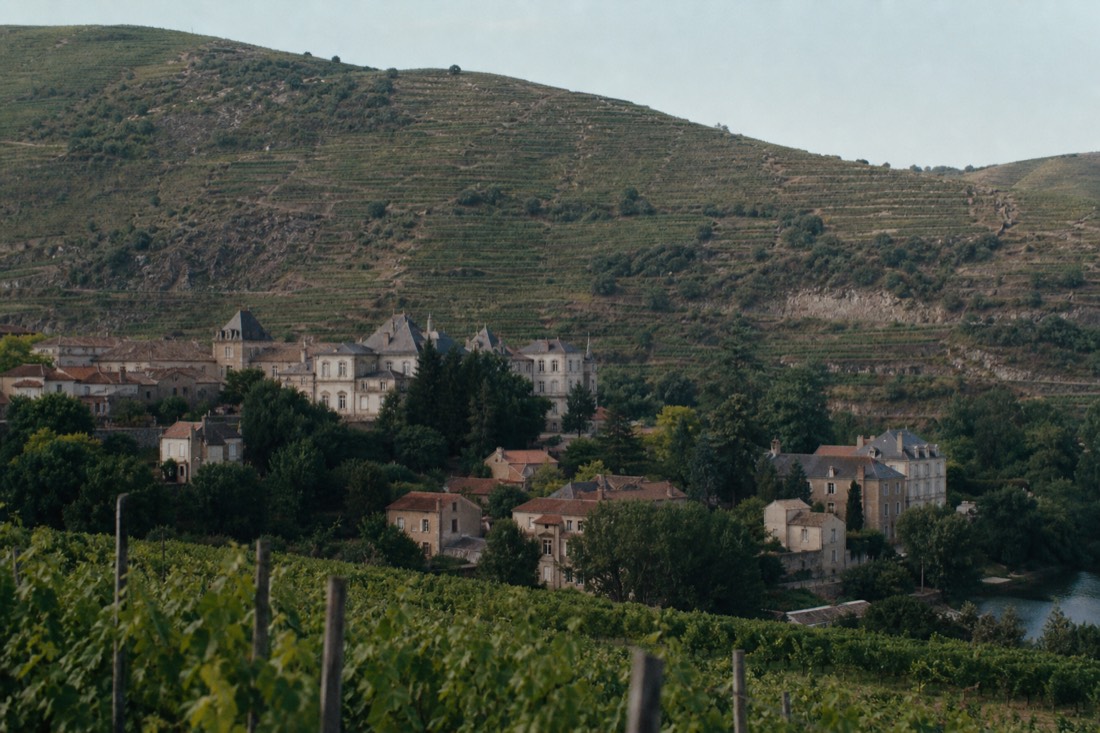
Historically, yes. Mesão Frio marks the western edge of the demarcated Douro wine region, which is why it carries the old nickname "the Door of the Douro". One of the first 18th-century boundary markers, set from 1758, stood here to define the region, and the town has been tied to winemaking on its terraced slopes ever since.
Coming from Porto, Mesão Frio is where the landscape changes character and the terraces truly begin, which is exactly why the region's founders drew their first line here. It is a working town more than a postcard, dotted with old manor estates among the vines, and it makes a natural first or last stop on a valley loop. Most Porto day tours roll straight past it toward Pinhão and the quintas, which is the sensible route for a first visit but leaves the gateway itself for a return trip.
Should You Seek Out Salzedas And Ucanha?
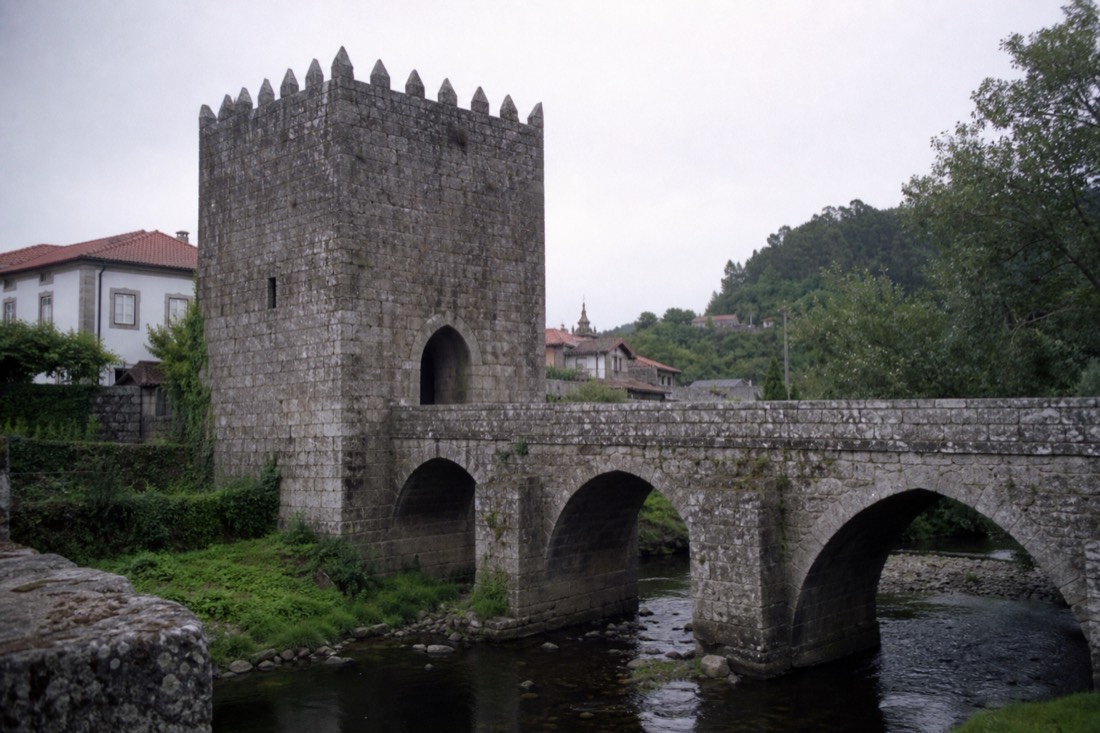
If you have the time and a car, absolutely. Salzedas grew up around a grand 12th-century Cistercian monastery whose enormous façade still dominates the tiny village. A short hop away, Ucanha guards a rare fortified medieval bridge with a defensive tower, once a toll gate for goods crossing the river, the only structure of its kind in Portugal.
These two sit south of the river, off most itineraries, which is precisely their charm. The scale of the Salzedas monastery against the handful of houses around it is genuinely startling, a reminder of how much power the church once held over this land. Ucanha's bridge-and-tower is a five-minute wonder that photographs beautifully and asks nothing of you but a short detour. Neither is on a wine-tour route, so they belong to travelers exploring under their own steam.
How Do You Actually See These Villages?
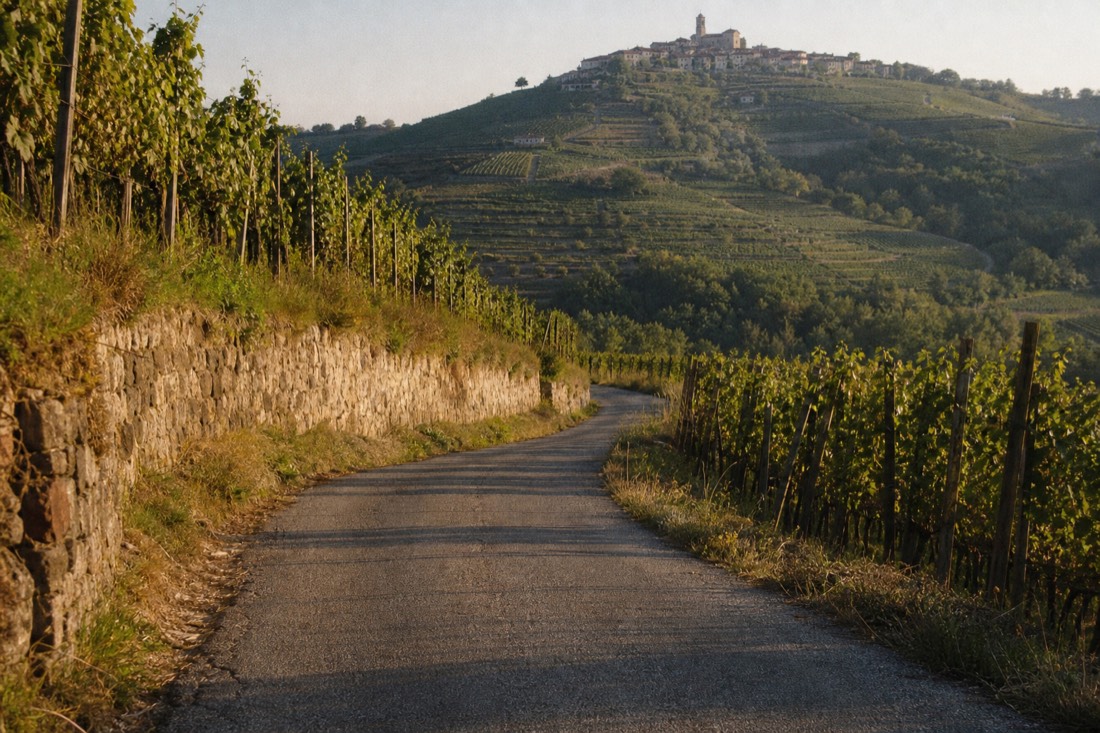
Most of them need a car or a private driver, because they sit up in the hills off the main tour and train routes. That is the honest trade-off: the classic Porto day tour delivers the river, the quintas and a cruise brilliantly, but not these backroad villages. Pair a guided day for the greatest hits with a self-driven afternoon for the stone villages.
There is no shame in doing both on one trip, and it is what I usually suggest. For a first visit with limited time, the small-group day tour this site features handles the valley's signature experiences, two quinta tastings, lunch and a rabelo cruise at Pinhão, with the hotel-pickup option capped at eight (meeting-point option: up to 19), and none of the driving falls to you. Then, if you have a second day and a rental car, the villages are yours to wander.
If you would rather trade the villages for a town day, Pinhão is the prettiest river base, and is Amarante worth visiting covers the handsome town on the western approach that pairs naturally with the wine country. The Douro is bigger than its riverbanks. The hills are where it gets personal.