Douro Red Wines And Touriga Nacional: The Dry Wines That Aren't Port
The Douro makes serious dry red wine, not only port. A local guide to Touriga Nacional, Touriga Franca and Tinta Roriz, what DOC Douro means, and why the still reds keep surprising visitors.
Prioritize a tasting that explicitly includes dry Douro wines. Check The Recommended Experience
 By Niko Stavros, Douro Valley wine tourism specialist
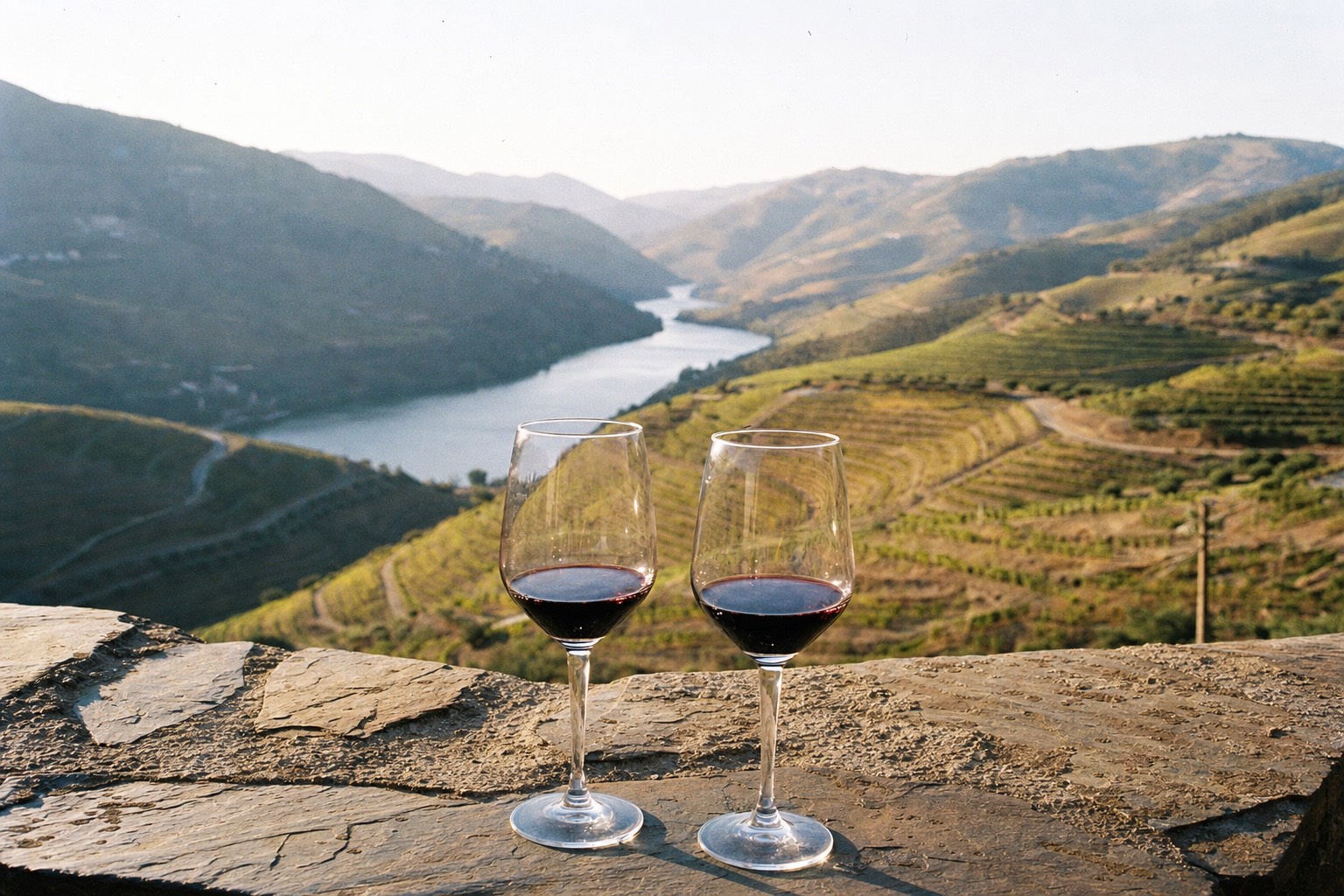
The line I hear most at tasting tables is some version of "wait, this isn't sweet?" Someone has just tried a dry Douro red for the first time, expecting port, and their whole idea of the region rearranges itself in one sip. It happens constantly, because the world knows this valley for its fortified wine and barely knows it makes some of Portugal's most exciting dry reds from the exact same hillsides. Those still wines are younger as a category, quietly world-class, and half the reason serious wine travelers come here now. Here is what is actually in the glass.
Prioritize a tasting that explicitly includes dry Douro wines. Explore This Booking Choice
Why Do The Douro's Dry Red Wines Surprise People?
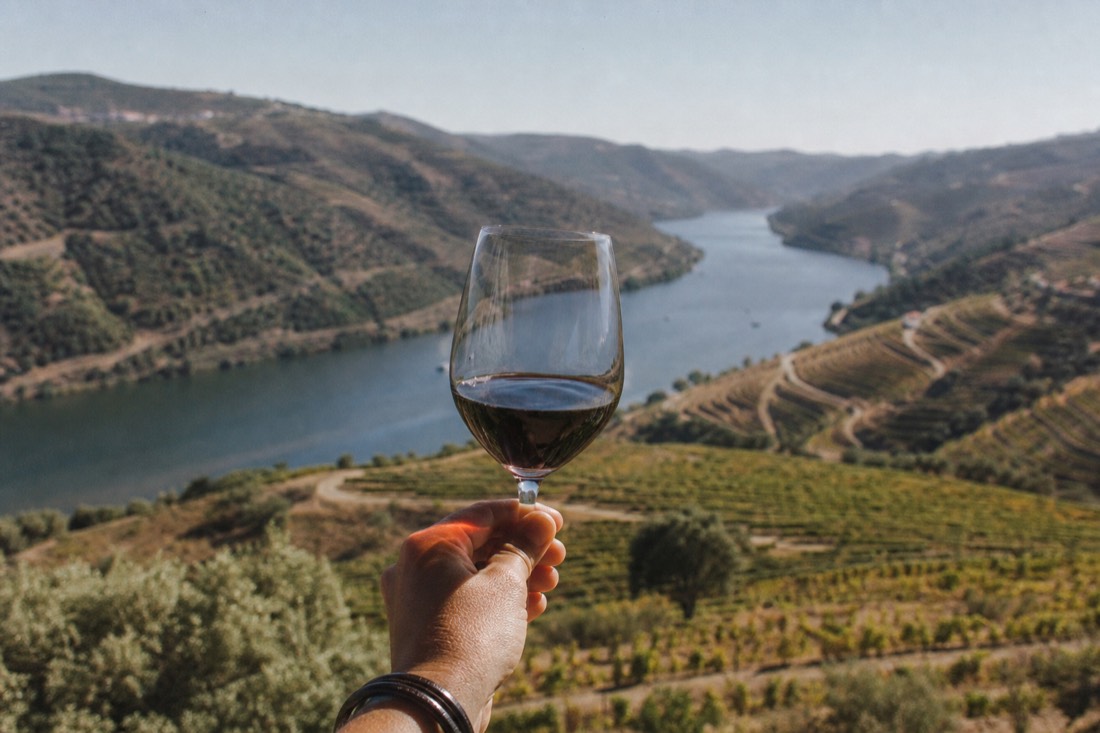
Because almost everyone arrives expecting only port. The Douro has made fortified wine for over three centuries, but the same grapes and terraces also produce powerful, dry, unfortified reds, and most visitors have never tasted one. When they do, the depth catches them off guard: this is a region making red wine to rival anywhere, not a one-trick port valley.
The surprise is really a matter of timing. Dry Douro reds are the newer story, built on old vines and steep schist that were feeding port houses for generations before anyone bottled the fruit as table wine at scale. The pioneering example, Barca Velha, was first made back in the 1950s, but the category only found its confidence in recent decades.
Taste port and a dry red side by side and the penny drops fast: same valley, same grapes, two completely different destinations. The small-group day tour this site features pours exactly that comparison, guided tastings of Port and DOC Douro wines at two different estates, so you meet both sides of the valley in one afternoon.
What Is Touriga Nacional, And Why Does It Matter?
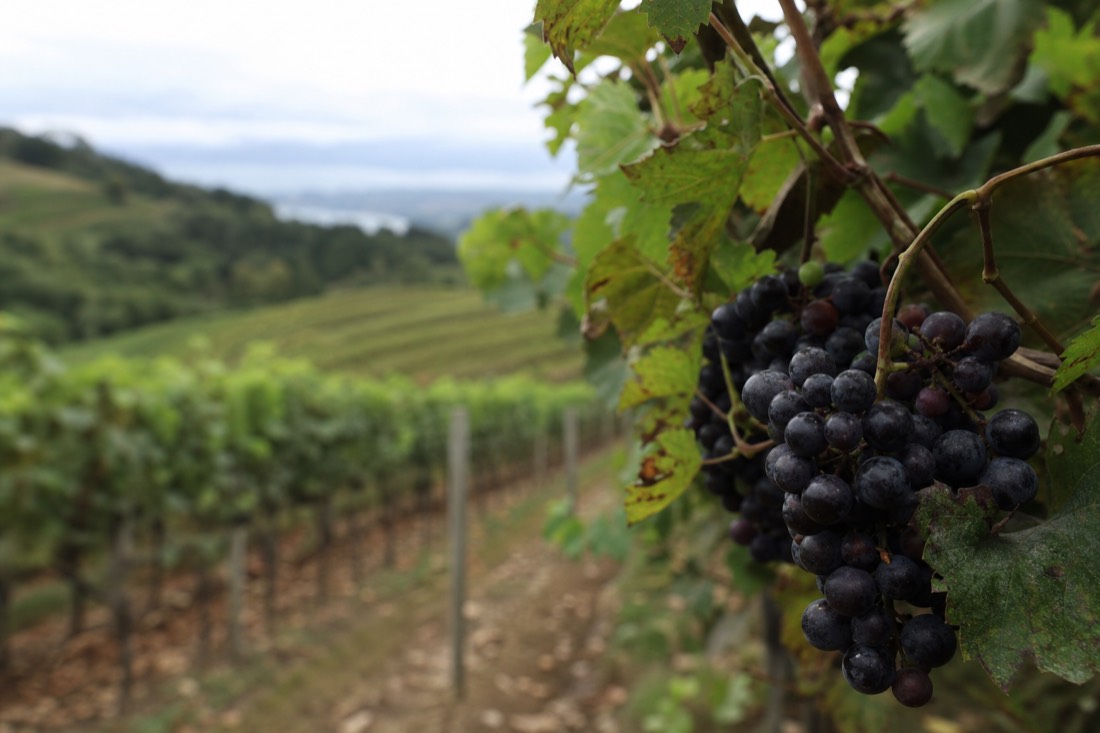
Touriga Nacional is the Douro's most prized red grape and Portugal's flagship variety. It gives small, dark, intensely aromatic berries: violets, blackberry, a firm backbone of tannin and the structure to age for years. It is the grape most likely to be named on a bottle you fall for here, and it anchors both the great dry reds and many vintage ports.
If you learn one grape name before you come, make it this one. Touriga Nacional is aromatic in a way that jumps out of the glass, floral and dark at once, and winemakers treat it the way Burgundy treats Pinot Noir, as the noble benchmark. Yields are naturally low, which concentrates everything. On its own it can be almost too intense, which is exactly why the Douro's oldest habit, blending, still rules.
What Are Touriga Franca, Tinta Roriz And The Field-Blend Tradition?
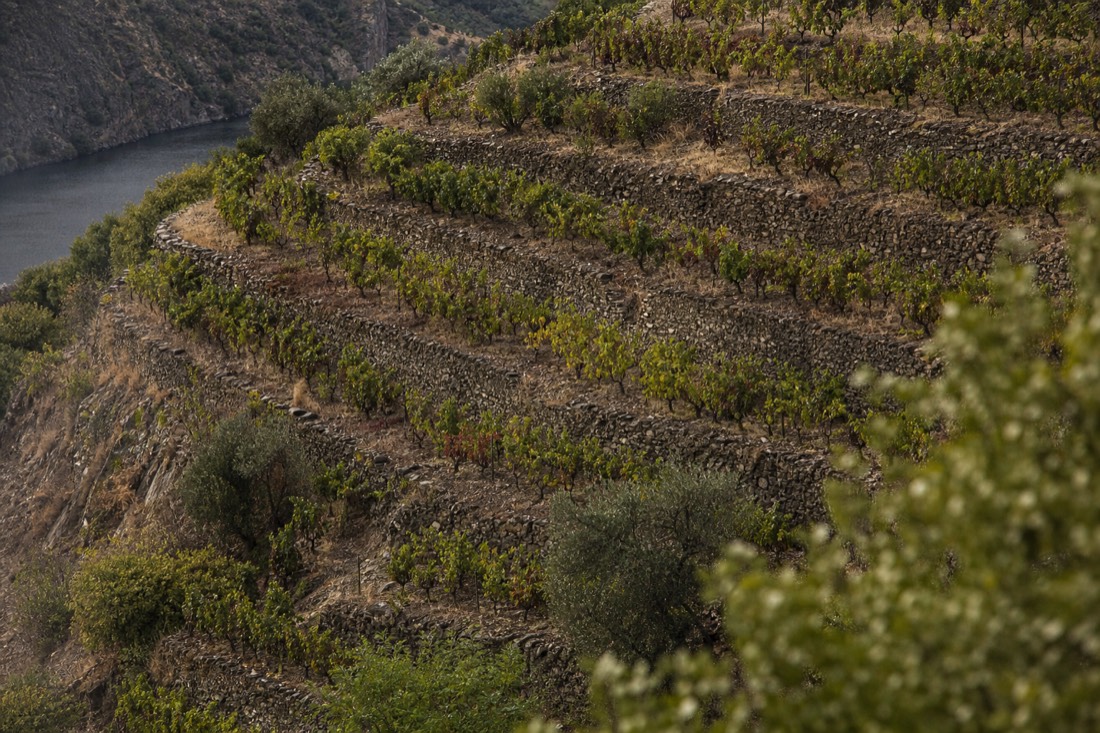
Touriga Franca is the most widely planted Douro grape, softer and more perfumed, the diplomat that rounds off Touriga Nacional's edges. Tinta Roriz, the same grape Spain calls Tempranillo, adds body and dark fruit. Traditionally these and dozens of others grew mixed together in one vineyard, a "field blend" picked and fermented all at once.
The field blend is the valley's secret weapon and its living history. Walk an old terrace and you are looking at a botanical archive: dozens of varieties interplanted by grandparents who trusted the mix to balance itself across a hot year and a cool one. Modern estates increasingly plant single varieties in tidy blocks, but many of the most soulful Douro reds still come from these ancient co-planted parcels. When a label says the wine came from old vines, this is often what it means.
What Does "DOC Douro" Actually Mean On A Label?
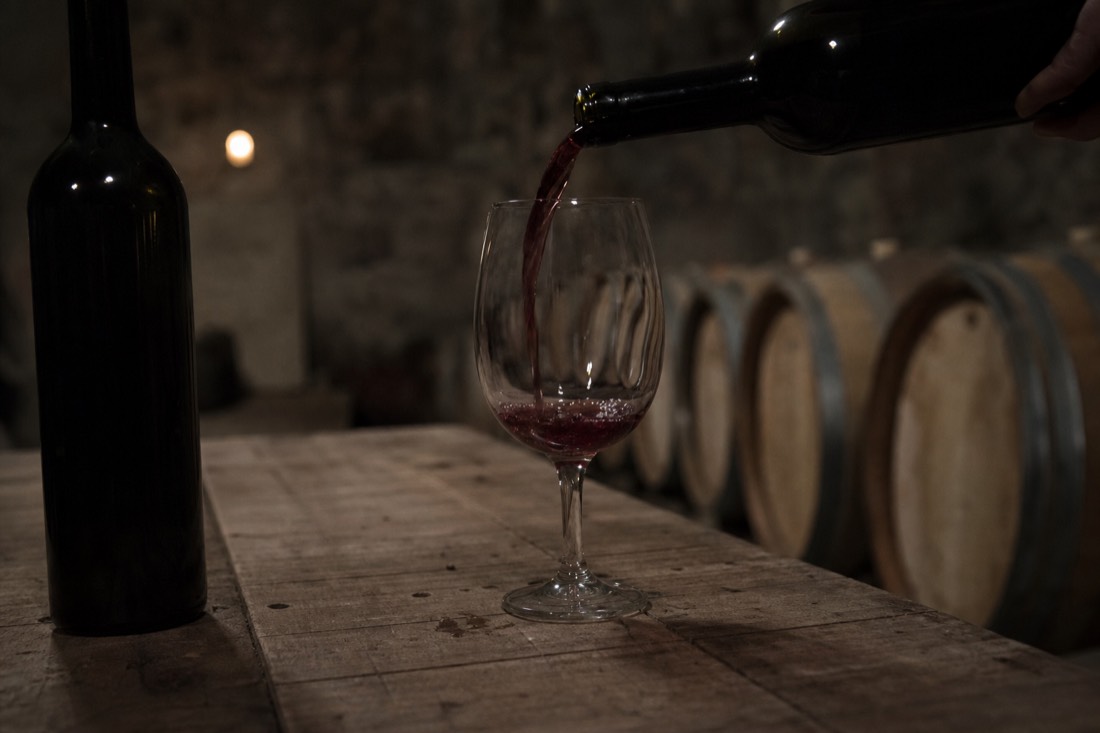
DOC Douro is the legal appellation for the region's unfortified wines, both red and white. Created in 1982, it certifies that a still wine was grown and made in the demarcated Douro region under its rules. In short: "port" tells you the wine is fortified and sweet, while "DOC Douro" tells you it is a dry table wine from the same valley.
This is the single most useful label distinction to carry into a Douro tasting room. The confusion is understandable, because the two wines share grapes, hillsides and often a producer, but they are made for opposite moments: one to sip slowly after dinner, the other to pour with the roast. The Douro sits inside Portugal's wider patchwork of wine regions, and if you want the national map, from Vinho Verde in the north to the Alentejo plains, Portugal's wine regions explained lays it out.
Where Can You Taste The Dry Reds, Not Just Port?
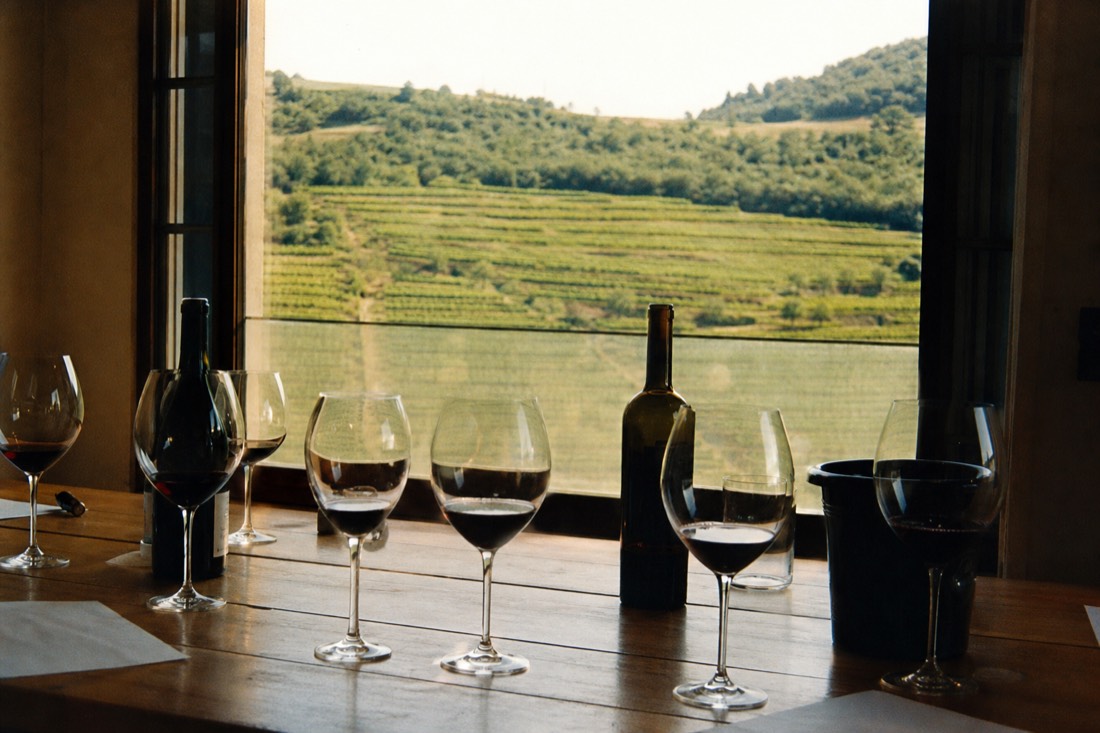
At almost any working quinta, if you ask. Most estates that make port also make DOC Douro reds and will pour both in a tasting, usually finishing on the still wines. The trick is to say up front that you want to try the dry reds, not only the fortified ones, because some tasting menus lead with port by habit.
The quintas are where this clicks, because tasting the two styles from the same producer, made from the same terraces, teaches you more than any article can. That is also the honest case for a guided day over a solo drive: comparing serious reds means real pours, and someone has to stay clear-headed on the N222. On the featured small-group day, both estate tastings include Port and DOC Douro wines, the driving is handled.
To pick which estates suit your taste, the best quintas and wineries guide sorts the valley by what each pours best. Come for the port if you like. Leave surprised by the reds. Nearly everyone does.