Douro Valley Wine Tasting: How And Where To Taste
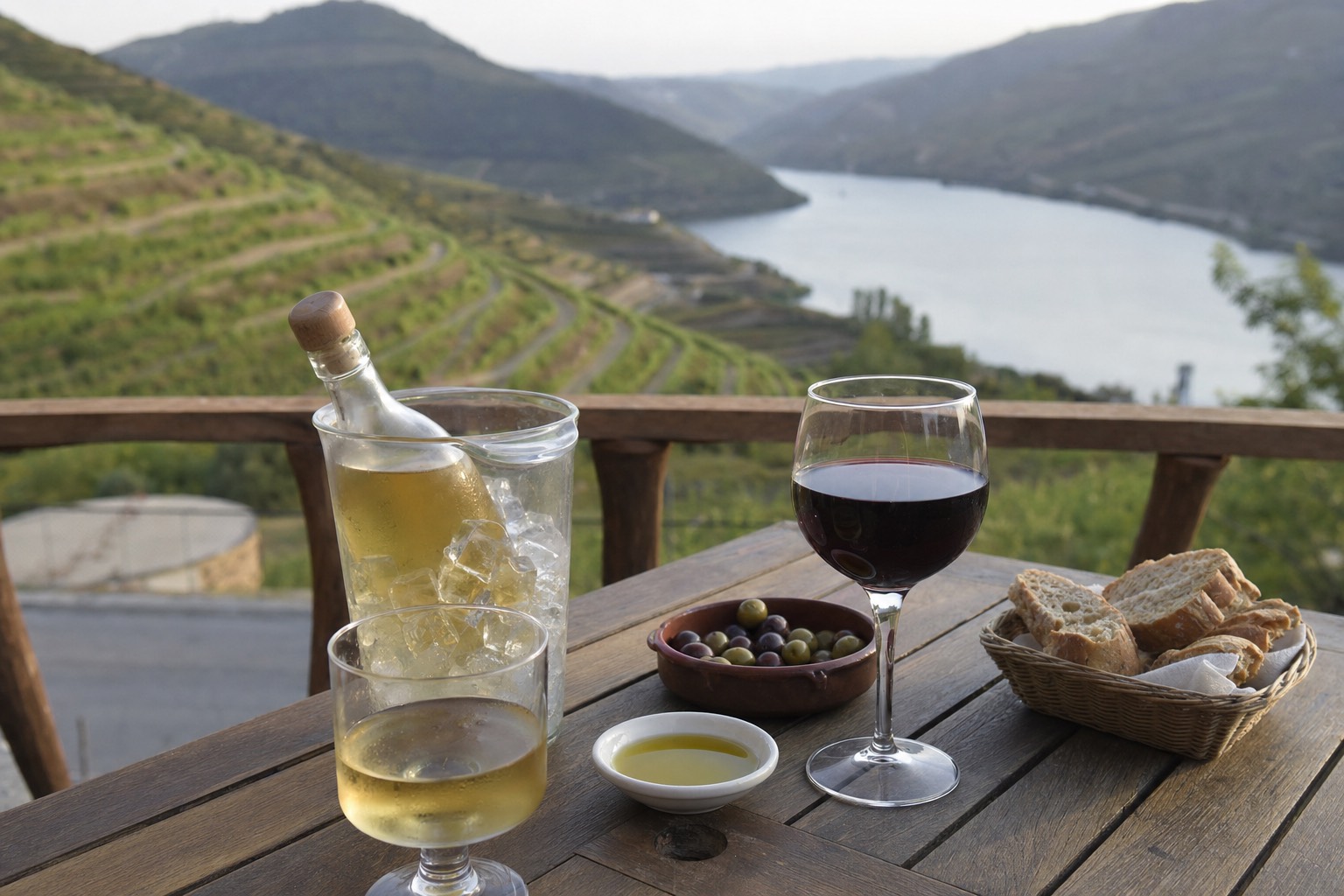
Two glasses appear first: a pale, chilled white Port and a deep valley red. What you do next, and where you do it, is the whole question this guide answers.
Pick the setting as well as the pours: valley estates for Port and DOC Douro together, a Gaia cellar for a short city visit, or a private valley outing. Explore Douro Valley Small Group Tour: 2 Wineries, Lunch & River Cruise
 Written with Niko Stavros, Douro Valley wine tourism specialist
Short answer
A Douro tasting pours both fortified Port and the valley's dry DOC Douro wines, usually three to six pours guided by someone from the estate. You can taste three ways: walk in at a visitor-ready quinta, book a Port lodge tour across the river in Gaia, or let a small-group day tour arrange two estate tastings and the driving. On a day trip the tour is the easy answer, because nobody has to stay sober at the wheel.
Porto winery day includes both Port and DOC Douro tastings. Cálem gives a compact Port, cellar and Fado experience in Gaia. Private sunset includes a local valley pickup and a Tedo tasting. Explore Douro Valley Small Group Tour: 2 Wineries, Lunch & River Cruise
The first pour surprises almost everyone. People arrive braced for sticky, sweet Port and get handed a pale, dry white Port over ice with a twist of orange, the drink half the valley has as an aperitif. That single glass rearranges what a first-timer thinks a Douro tasting is. It is rarely one wine and rarely sweet. It is a working estate walking you through a whole spectrum, fortified and dry, in the place the grapes actually grew, and the format matters as much as the wine in your glass.
What Does A Douro Valley Wine Tasting Include?
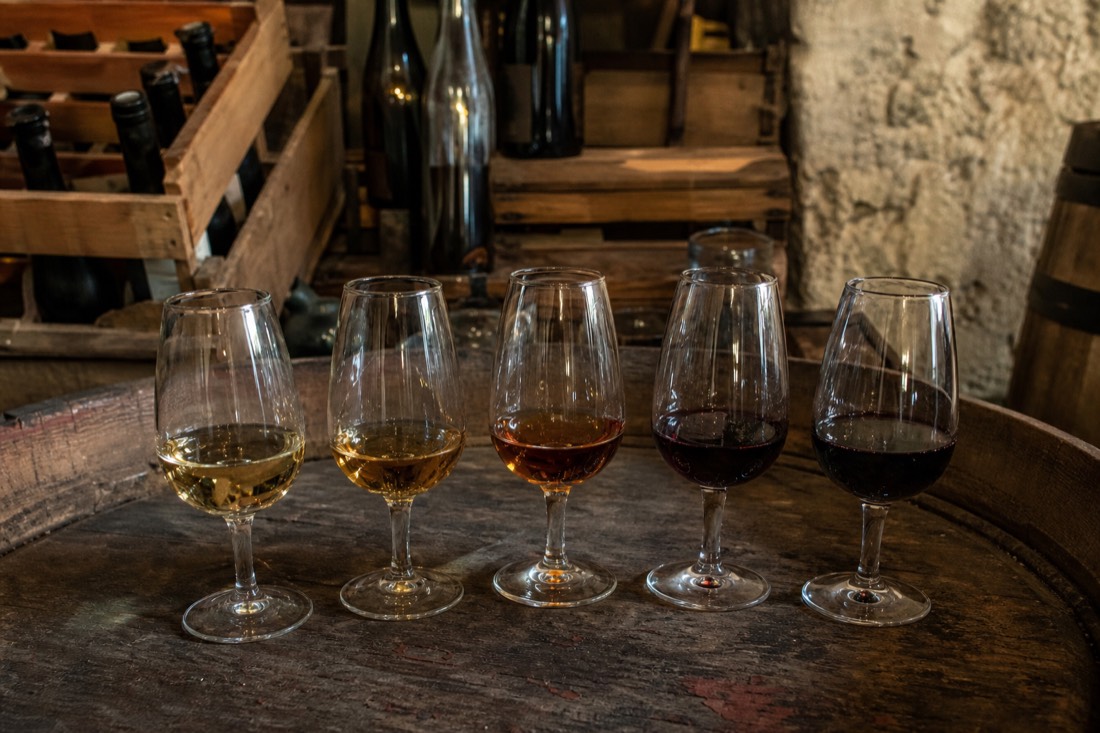
Usually three to six pours guided by someone from the estate, split between fortified Port and the valley's dry DOC Douro wines. A typical flight runs white or rosé Port, a tawny and a ruby-style Port, then one or two still reds and sometimes a white. Cheese, olives or bread often come alongside.
The shape of a tasting depends on where you do it, but the logic is consistent. Port and dry wine come from the same terraces, made by the same producers, so a good tasting shows you both rather than pretending the Douro is only about the fortified stuff. The person pouring is often a family member or estate winemaker, and the difference between a rushed flight and a memorable one is almost always how much they talk. Ask about the old vines and the field blends; that is where the valley opens up.
Portions are small on purpose, closer to a mouthful than a glass, so a five-pour tasting is a taste rather than a session. That restraint is deliberate, because the roads between estates are narrow and Portugal's drink-drive limit is a hard 0.5 grams per litre. Which is exactly why how you get between tastings shapes the day as much as the wine does.
Where Can You Taste: A Quinta, A Gaia Lodge, Or On A Tour?
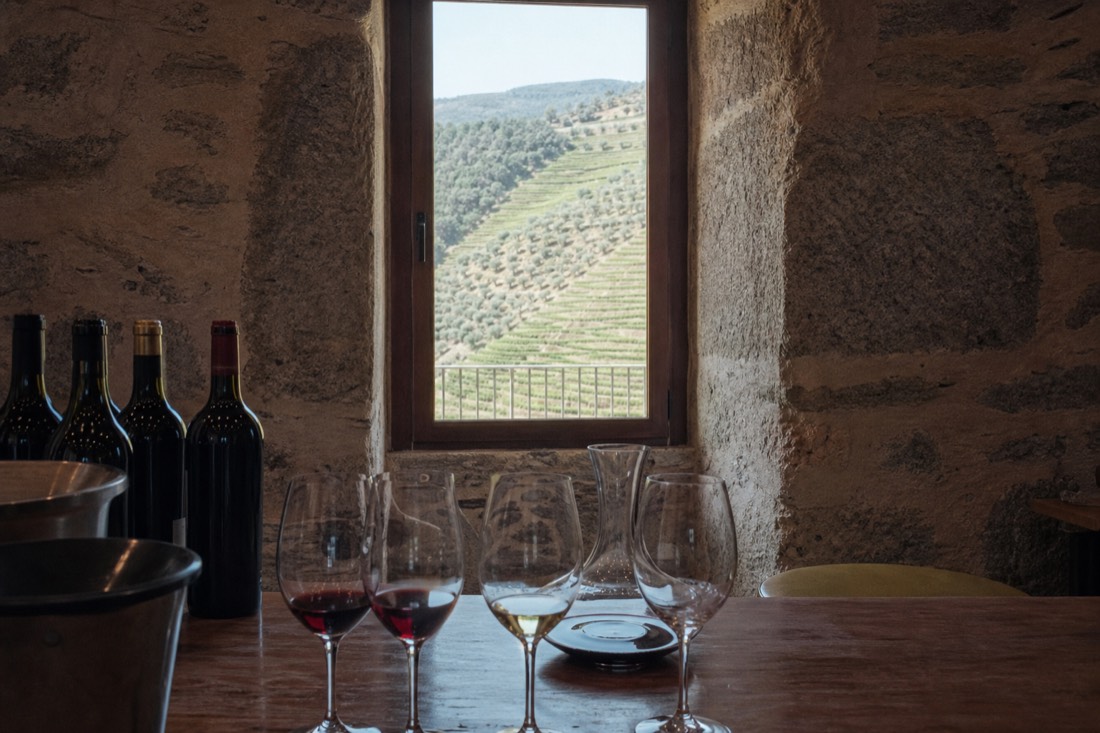
Three venues, three experiences. Taste at a quinta in the valley itself, surrounded by the vines, which is the real thing. Taste at a Port lodge in Vila Nova de Gaia across from Porto, easy and city-bound but not in the valley. Or taste on a guided day tour, which arranges the estate visits and drives you between them.
A quinta tasting is the one to prioritize if you have made it to the valley, because the wine tastes different when the terrace that grew it is filling the window. The famous visitor-ready estates make this simple: Quinta da Pacheca near Lamego and Quinta do Vallado outside Régua both run daily tastings and welcome walk-up visitors in a way small family farms do not. For a wider shortlist of which estates suit which traveler, the best quintas and wineries guide lays them out honestly.
The Gaia lodges are the downtown alternative, and they are a real experience, not a consolation prize. Port ages in Gaia's cool riverside cellars rather than up in the hot valley, so a lodge tour and tasting there is where the fortified story finishes. If you are stuck in the city on a short trip, book a Gaia Port cellar tour with a tasting and you have covered the Port side without leaving Porto. Just know it is not the valley, and the terraces are 100 km upstream.
Is It Better To Book A Quinta Tasting Yourself Or Take An All-In Tour?
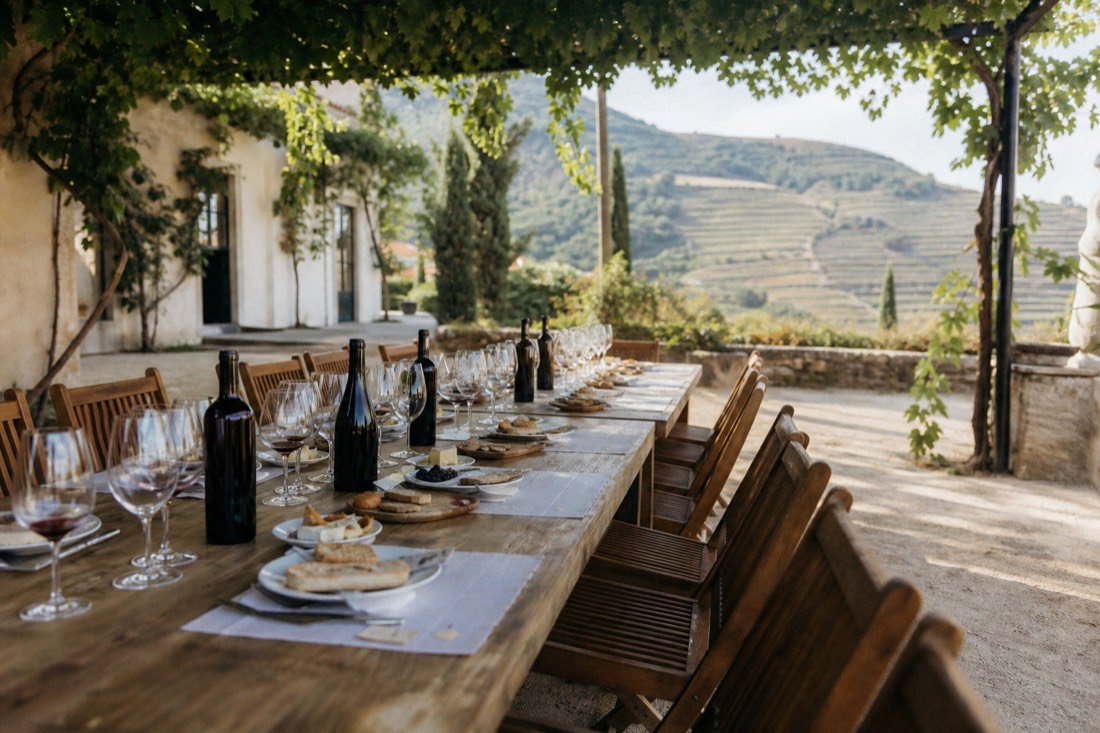
Both work, and the right call depends on your trip. Booking a quinta yourself suits travelers staying in the valley who want one unhurried estate a day at their own pace. An all-in tour suits day-trippers from Porto, because it arranges two estate tastings, feeds you lunch, and solves the problem that someone has to drive between pours.
If you are sleeping in the valley for two or more nights, book direct. Pick one anchor estate per day, arrive near opening before the tour vans, and you get the calm version of a famous place. That approach pairs naturally with a valley base, which I weigh against a Porto base in stay in Porto or the Douro Valley.
For a day trip, the tour wins, and it is not close. The small-group day this site features pours guided tastings of Port and DOC Douro at two selected wineries (Quinta do Tedo and Quinta do Beijo are examples; estates can change), adds a Portuguese lunch and a 50-minute rabelo cruise, offers hotel pickup for up to eight guests, and holds 4.9 across 5,576 combined Viator and Tripadvisor reviews. You taste more, drive none of it, and the 0.5 limit stops mattering entirely. Whether a tour or a rental car fits your trip is argued out in full in tour or drive yourself.
What Is The Difference Between Tasting Port And Still Douro Wine?
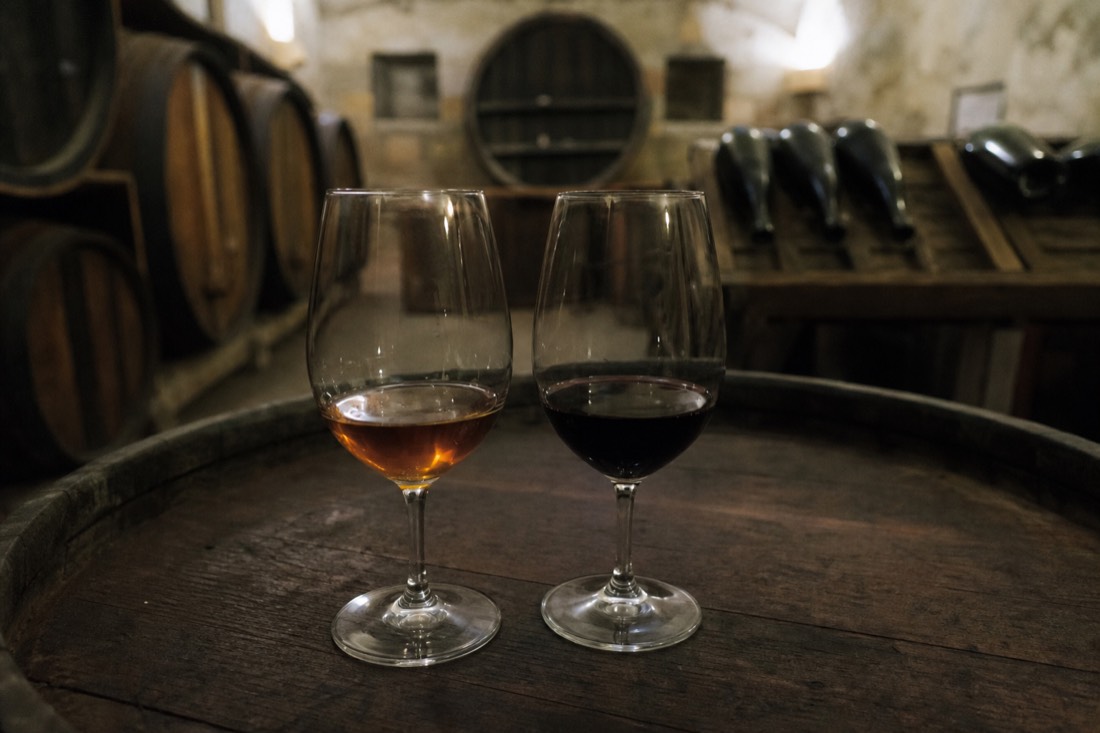
Port is fortified, meaning grape spirit is added during fermentation to stop it early, leaving natural sweetness and lifting the strength. DOC Douro wines are regular dry table wines, red, white and rosé, made from the same grapes with no fortification. A good tasting shows you both so you understand the valley makes far more than sweet wine.
On the Port side you meet the styles in the glass: the fresh white and rosé aperitif Ports, the barrel-aged tawnies with their nutty, caramel edge, and the darker fruit-forward ruby family. The split between the two big red styles trips up a lot of visitors, and I untangle it in tawny vs ruby Port; the fuller story of how Port is made and why it is fortified sits in what is Port wine, explained.
The still wines are the surprise. Dry Douro reds built on Touriga Nacional and Touriga Franca are some of Portugal's most serious bottles, structured and age-worthy, and tasting them beside the Ports is what converts people from Port curiosity to Douro obsession. A tasting that pours only Port is selling the valley short.
Do You Need To Reserve A Douro Tasting In Advance?
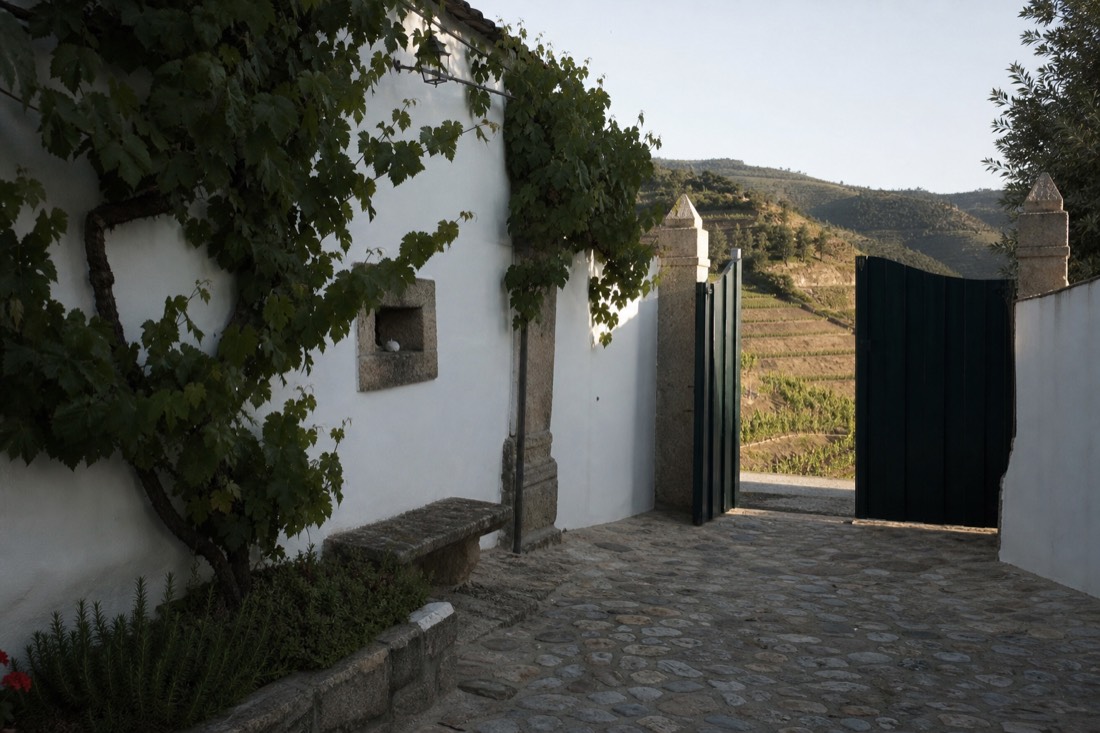
For most estates, yes, at least in high season and especially at small family quintas that receive guests by appointment. Large visitor-ready estates take walk-ins more readily, but even they fill on weekends and through harvest. Tours carry their own arranged access, which is a real part of what you pay for.
The honest reality is that spontaneity works better in Porto than in the valley. In town you can wander into a Gaia lodge most afternoons; up in the vines, turning up unannounced at a working farm during the September crush is how you end up staring at a locked gate. Confirm estate tasting appointments before travelling, especially when harvest work can affect visiting hours.
This is the quiet advantage of an organized day: the access is already handled, the timings are set against the estates' own schedules, and you never spend your one Douro day discovering that the place you wanted was full. Decide the experiences first, then the logistics, and the tasting takes care of itself.
What Is Actually In A Douro Tasting Flight?
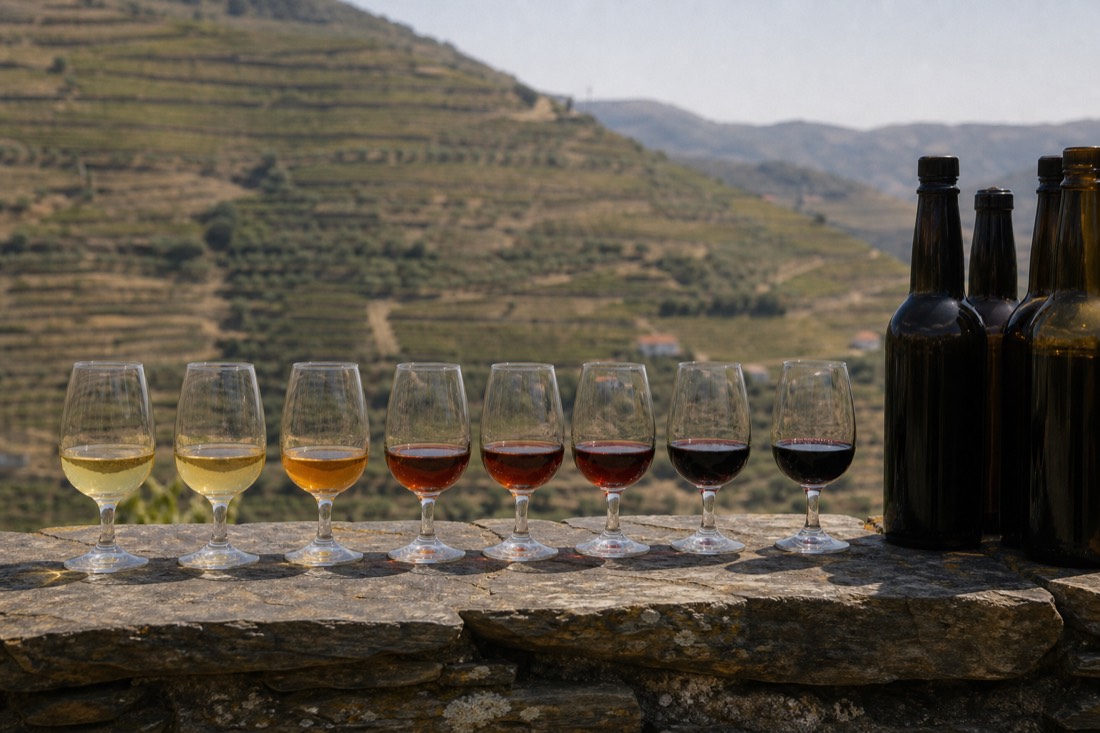
A standard flight runs three to six small pours and almost always crosses both worlds: a chilled white or rosé Port to open, then a tawny and a ruby-family Port, then one or two dry DOC Douro reds and sometimes a dry white. The table below shows the usual running order and what each pour is doing in the glass.
Think of it as a planning allowance rather than a fixed menu, because every estate builds its own flight. The consistent thread is that the Ports come from lighter to darker and the dry wines round it off, so your palate climbs steadily instead of jumping around.
| Pour | What it is | Usual position | Why it is poured |
|---|---|---|---|
| White or rosé Port | Fortified, served cold, off-dry | Opens the flight, as an aperitif | Resets the idea that Port is only sweet and red |
| Tawny Port | Barrel-aged fortified, nutty and caramel | Early to middle | Shows what wood and time do to Port |
| Ruby family (ruby, reserve, LBV, vintage) | Fortified, dark fruit, aged in tank or bottle | Middle | The classic dark Port most people expect |
| DOC Douro red | Dry table wine, Touriga Nacional and Franca | After the Ports | Proves the valley makes serious dry wine |
| DOC Douro white | Dry table wine from higher, cooler plots | Sometimes opens or closes | A fresh counterpoint to the reds |
The two dark Port styles cause the most confusion, and I pull them apart in tawny vs ruby Port. If you want the fuller picture of how Port is made before you go, what is Port wine, explained covers the fortification story that this whole flight is built on.
What Does A Douro Tasting Cost, And What Sets The Price?
It depends entirely on where and how you taste. A walk-in estate tasting is priced by each quinta and paid on the day. A guided day tour folds the tastings into one bundled price with lunch and transport. The listed marketplace tours below show current from-prices, which is the honest way to compare.
Walk-in estate tastings vary too much to quote a single figure, because a basic three-pour flight and a reserve tasting with vintage Port are different products. Check each quinta's own site for its current tasting menu. What I can give you cleanly are the verified from-prices on the featured tours, since those bundle the pours, the food and the driving into one number.
| Way to taste | What the price covers | Recent listed price |
|---|---|---|
| Walk-in estate tasting | One flight at one quinta | Set by each estate, paid on the day |
| Gaia Port lodge tour and tasting | City cellar tour plus a few Port pours | Varies by lodge |
| Featured small-group day tour | Two estate tastings, lunch, cruise, transport | Bundled, not shown off the Viator flow |
| Amarante wine, food and river day (GYG) | Premium estate tasting, boat brunch, Amarante | Check live quote |
| Off-road sunset picnic tour (GYG) | Quinta do Tedo tasting, 4x4 tracks, picnic | (private outing) |
The lesson buried in that table is that a day tour is rarely the expensive option once you add up two separate estate tastings, a restaurant lunch and either a rental car or a private driver. For one person doing the sums, bundled usually wins. I break the full cost picture down in how much a Douro wine tour costs.
Is A Tour Tasting Or A Walk-In Quinta Tasting Better Value?
Neither is simply better, they solve different trips. A walk-in tasting is best if you are staying in the valley and want one estate at your own pace. A tour is best for a day trip from Porto, because it arranges two estates, feeds you, and removes the one real problem: someone has to stay sober to drive between pours.
Here is the split laid out plainly, from years of watching guests do it both ways.
| Question | Walk-in quinta tasting | All-in day tour |
|---|---|---|
| Who drives | You, and you stay under 0.5 g/l | The operator, you drink freely |
| Estates in a day | One, unhurried | Two, already arranged |
| Booking effort | You call or email each estate | One booking covers everything |
| Best base | A night or two in the valley | Porto, out and back in a day |
| Food | On your own | Lunch usually included |
The small-group day this site features pours guided tastings at two selected wineries (Quinta do Tedo and Quinta do Beijo are examples; estates can change), adds a Portuguese lunch and a 50-minute rabelo cruise, offers hotel pickup for up to eight guests, and holds 4.9 across 5,576 combined Viator and Tripadvisor reviews with current reviews on the listing. For a day-tripper that is the calm answer. Whether a car or a tour fits your wider trip is argued out in tour or drive yourself.
Which Quintas Take Walk-Ins, And Which Need An Appointment?
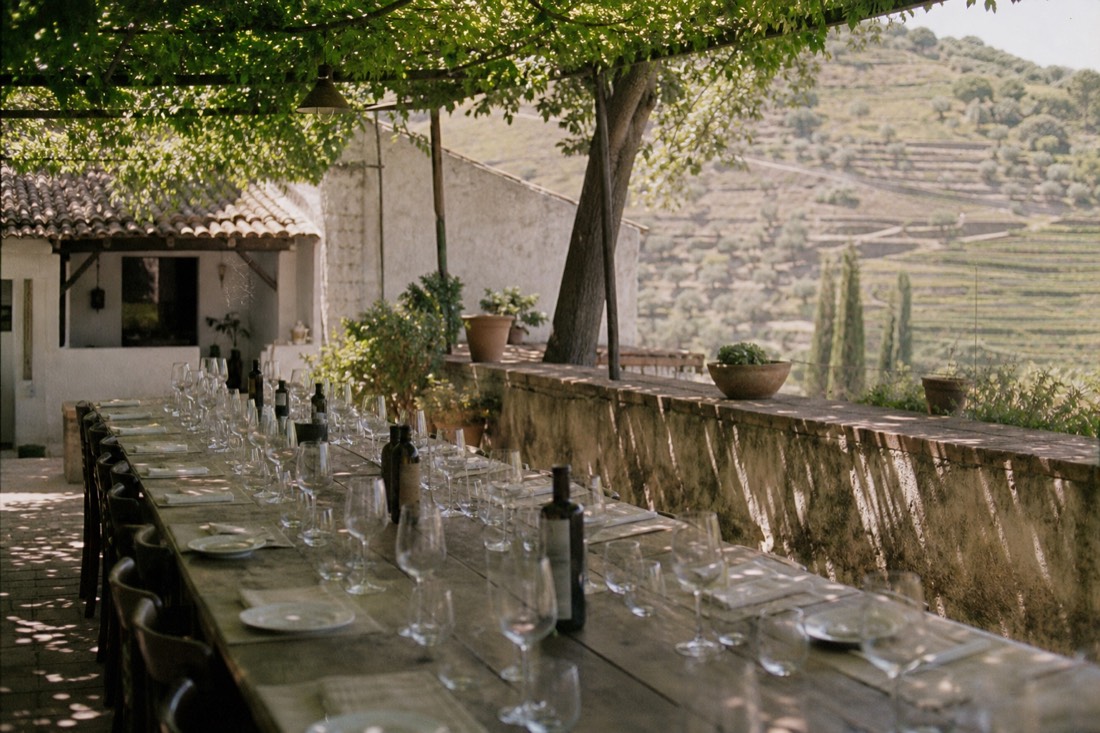
The big visitor-ready estates take walk-ins most days, though weekends and harvest still fill. Smaller and more sought-after estates receive guests by appointment, some with only a handful of daily spots. This matrix maps the estates we cover so you know which to just turn up at and which to book well ahead.
Spontaneity works better in Porto than up in the vines. In town you can wander into a Gaia lodge most afternoons. In the valley, arriving unannounced at a working farm in September is how you meet a locked gate, so treat the appointment-only names as fixed dates in your plan.
| Estate or venue | Reservation reality | More detail |
|---|---|---|
| Quinta da Pacheca | Walk-ins welcome, daily tours and tastings | Geared for drop-in visitors near Régua |
| Quinta do Vallado | Open year-round, daily tastings, booking advised | Wine-first, quieter Corgo setting |
| Quinta de la Rosa | Daily tours and tastings, booking advised | Family estate a short walk from Pinhão |
| Quinta das Carvalhas | Book ahead on the estate site | Minibus and jeep tours opposite Pinhão |
| Quinta do Bomfim | Book ahead | Symington estate, walkable from Pinhão station |
| Quinta do Crasto | Appointment only, limited daily spots | Book well ahead for the infinity-pool estate |
| Quinta do Tedo | Book direct, or visit on a featured tour | The one famous quinta our tours actually stop at |
| Gaia Port lodges | Most flexible, often same-day | City-side, not in the valley itself |
The pattern is clear: the more famous the pour, the earlier you book. For a fuller shortlist of which estate suits which traveler, the best quintas and wineries guide ranks them honestly.
What Are The Tasting Etiquette And The Spitting-And-Driving Rules?
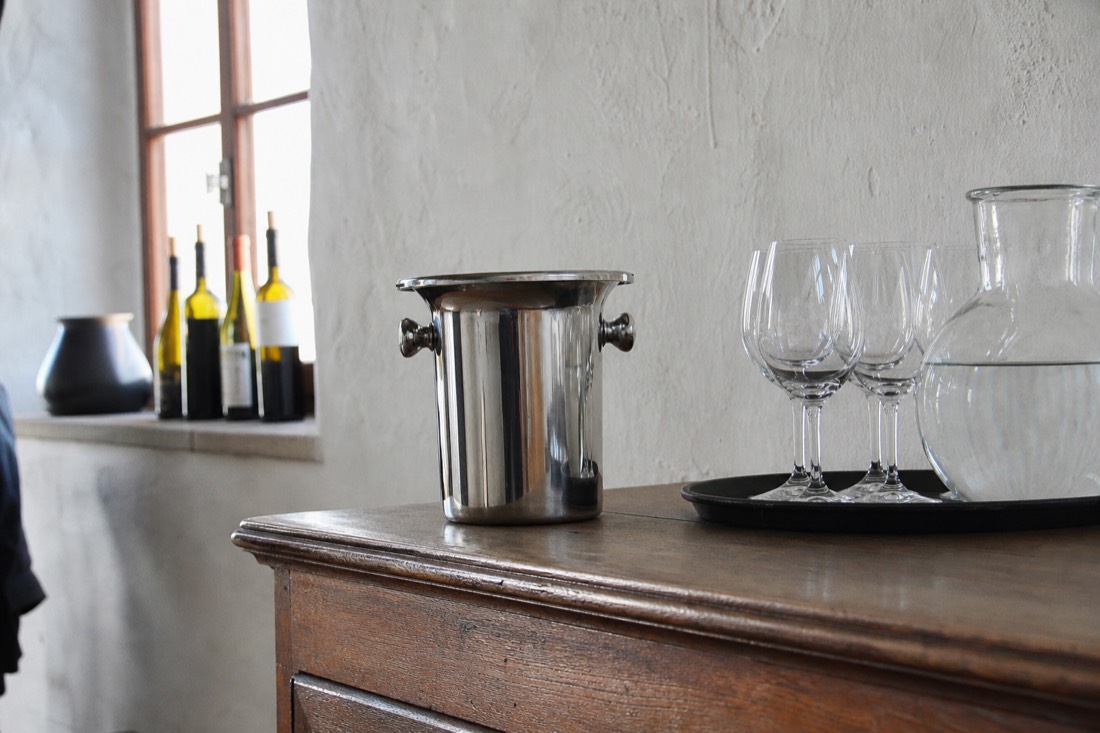
Douro tastings are relaxed, not stuffy, but two rules matter. Use the spittoon without embarrassment, especially if you are driving, because Portugal's drink-drive limit is a hard 0.5 grams per litre. Sip water between pours, and never feel you have to empty every glass. Tasting is about attention, not volume.
Nobody at an estate thinks less of you for spitting. It is what the professionals do, and it is the only way to taste five or six wines and still walk a straight line to the car. The math is unforgiving on narrow valley roads, so if you are the driver, spit almost everything and treat the day as reconnaissance for what to buy.
| Do | Skip |
|---|---|
| Use the spittoon, above all when driving | Feeling obliged to finish every pour |
| Ask what you are drinking and why | Wearing strong perfume or aftershave |
| Drink water between wines | Rushing the pourer for the next glass |
| Buy the bottle you loved on the spot | Assuming shipping home is simple or cheap |
The cleanest fix for the whole driving problem is to not drive at all. On a guided day nobody at your table has to stay sober, which is half the reason the tour format exists. If you would rather taste freely, the featured small-group day handles every kilometre between the two estates.
A Quick Glossary Of Douro Tasting Terms
A handful of words come up at almost every estate. Knowing them turns a tasting from a monologue you nod through into a conversation. None are complicated, and using even two or three signals to the person pouring that you are curious, which is usually when the better bottles come out from the back.
| Term | What it means at the table |
|---|---|
| Quinta | A wine estate: vineyards, winery and usually the house |
| DOC Douro | The region's dry table wines, as opposed to Port |
| Tawny | Port aged in barrel, going nutty and amber |
| Ruby / LBV | Fruit-forward Port; LBV is Late Bottled Vintage |
| Colheita | A tawny from a single named harvest year |
| Vindima | The grape harvest, roughly September |
| Lagar | The shallow stone tank where grapes are foot-trodden |
| Field blend | Many old grape varieties planted and picked together |
| Escanção | The sommelier or wine steward pouring your flight |
What Niko Wishes First-Time Tasters Knew
After guiding Douro tastings since 2022 for well over a thousand travellers, the pattern I see most is people undertasting the dry wines. Everyone comes for Port. The moment that rearranges a visit is the first serious DOC Douro red, and the tasters who ask for it are the ones who leave understanding the valley.
My other standing advice is to slow down and pick fewer estates. Two unhurried tastings beat four rushed ones every single time, and the estates open up when they see you are not clock-watching. First-timers also worry far too much about knowing the "right" things to say. You do not need vocabulary, you need questions, and the glossary above is more than enough to get a winemaker talking about the old vines they are proud of.
The last thing I tell everyone: decide how you will get home before you decide what to drink. If you are set on tasting properly, do not drive. Book the estates yourself if you are sleeping in the valley, and take the small-group day if you are coming out from Porto. Sort that one question and the wine takes care of itself.
Common Questions About Douro Wine Tastings
How much does a Douro wine tasting cost?
It varies widely by estate and by how many and how rare the pours are, so check each quinta's own site for current prices rather than trusting a single figure. On a guided day tour the tastings are bundled into the tour price along with lunch and transport, which is part of why day-trippers find a tour simpler than pricing estates one by one.
Can you taste Port and dry wine at the same place?
Yes, at most Douro estates. The same producers make both fortified Port and dry DOC Douro wines from the same terraces, so a standard tasting flight moves through white or tawny Port, a ruby-style Port, then one or two still reds. Tasting both side by side is the point of visiting the valley rather than only a city lodge.
Is a Douro tasting suitable if you do not know much about wine?
Very. The estates receive first-timers constantly, portions are small, and the person pouring usually walks you through what you are drinking and why. You do not need any background; curiosity and a few questions get you a long way, and the guided-tour version adds context between stops.
Where is the best place to taste Port near Porto?
The Port lodges of Vila Nova de Gaia, directly across the river from central Porto, where Port ages in cool riverside cellars. A lodge tour with a tasting is the easy in-city option. For the full valley experience, though, taste at a quinta among the terraces where the grapes actually grow.
Your Next Step
Douro Valley Small Group Tour: 2 Wineries, Lunch & River Cruise
Wonder which first tasting day covers both sides of Douro wine? Explore the Porto route with Port and DOC tastings included. Check your travel date before arranging the rest of your visit. Two winery tastings, Portuguese lunch and a Pinhão river cruise from Porto.
9–10 hours; English offered. Central Porto hotel pickup option: up to 8 guests; central meeting option: up to 19. Port and DOC Douro tastings and lunch included; wineries can change. Winery visits and river cruise may include other customers. Gratuities extra; confirm dietary needs and child arrangements before booking.
An initial recommendation, before you make any choices. Confirm the option and restrictions for your party.
Choose your travel date, or open the tour on Viator.
Where And How Will You Taste?
| Experience | Why Choose It | Allow | What To Account For |
|---|---|---|---|
| Douro Valley Small Group Tour: 2 Wineries, Lunch & River Cruise | Two winery tastings, Portuguese lunch and a Pinhão river cruise from Porto. | 10 hours | 9–10 hours; English offered. Central Porto hotel pickup option: up to 8 guests; central meeting option: up to 19. Port and DOC Douro tastings and lunch included; wineries can change. Winery visits and river cruise may include other customers. Gratuities extra; confirm dietary needs and child arrangements before booking. |
| Porto: Cálem Cellar Tour, Live Fado Show and Wine Tasting | Cálem cellar visit, two Port wines and a live Fado show in Gaia. | 1.25 hours | 75 minutes: 30-minute cellar/museum visit and 45-minute Fado show. English guided visit offered; meet at Cálem in Vila Nova de Gaia. Two Port wines included; minimum drinking age 18. No hotel pickup or food included. |
| Douro Valley: Off-Road Wine Tour With Sunset Picnic | Private vineyard tracks, a Tedo tasting and a sunset picnic from a local valley base. | 5 hours | 5 hours; private group; English, Portuguese or French. Pickup and return in selected valley areas, including Pinhão, Régua and Tabuaço. Quinta do Tedo tasting, off-road drive and sunset picnic included. Regional food, local wines and sparkling wine included; personal purchases extra. Not suitable for children under 2; confirm exact accommodation pickup. |