Best Time To Visit The Douro Valley (2026-2027)
Harvest gets the headlines, spring gets the color, summer gets the heat. Here is when each version of the valley is worth your dates, from someone who works all four.
Choose the experience you want the season to support. A normal winery day does not guarantee grape treading; the harvest activity is a separate local departure. Explore Douro Valley Small Group Tour: 2 Wineries, Lunch & River Cruise
 Written with Niko Stavros, Douro Valley wine tourism specialist
Short answer
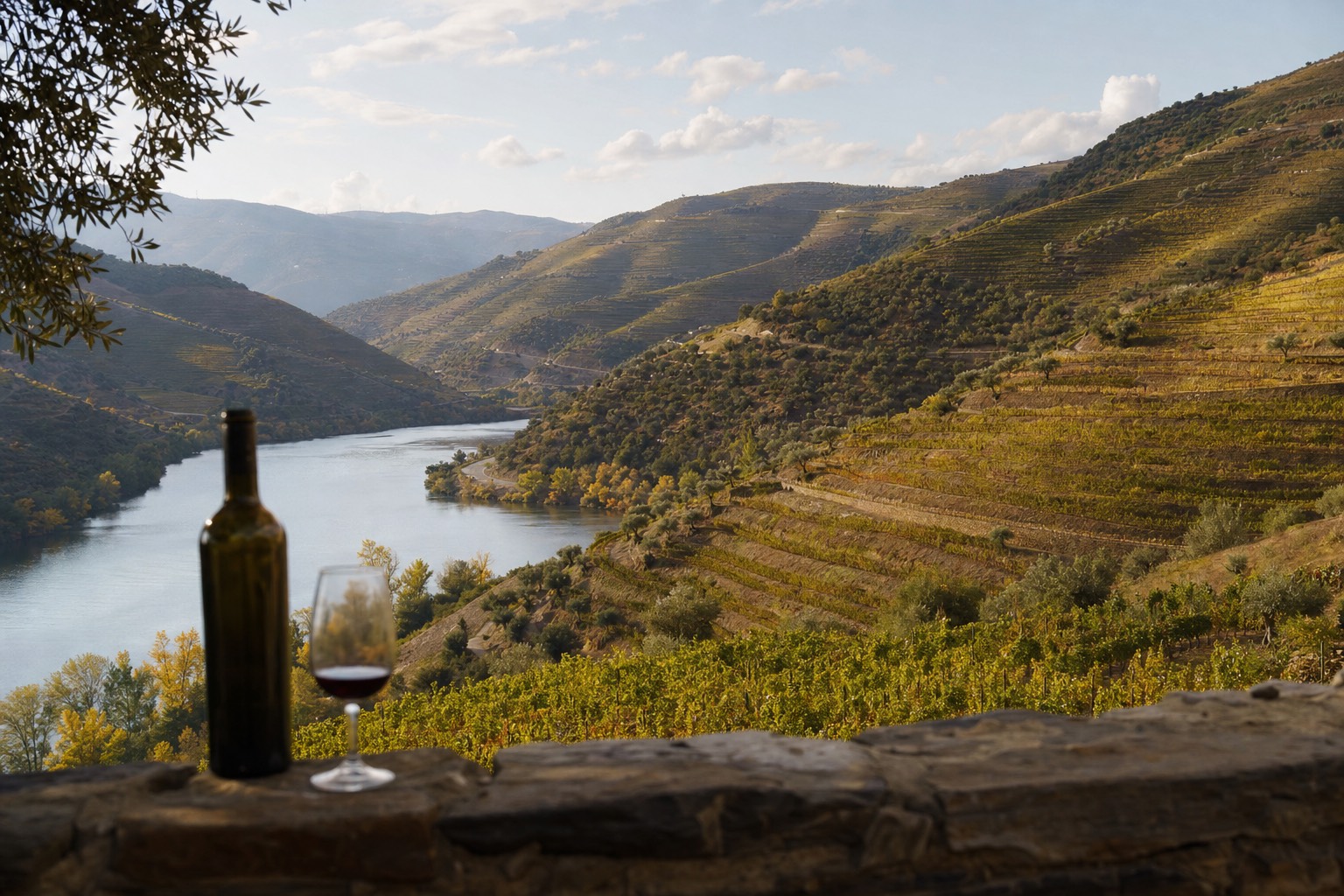
September and early October are the peak: harvest (vindima) fills the terraces with pickers and the quintas with activity. May and June run a close second, when the vines are impossibly green and the crowds thinner. Summer afternoons are seriously hot, and winter is quiet but atmospheric. Book harvest dates early, and confirm availability for your chosen departure.
For hands-on harvest, check the dedicated Régua-start experience. For sunset, use the private local-pickup picnic itinerary. For a first Porto visit, compare the winery and Amarante days. Explore Douro Valley Small Group Tour: 2 Wineries, Lunch & River Cruise
People ask me for the best month as if the valley had one. It has at least three, and they are different products. September smells like crushed grapes and diesel from the harvest trucks. May smells like wet green leaves. August smells like hot schist, which is a polite way of saying the stones themselves radiate heat. I have guided visitors through wine experiences here since 2022, and the honest answer to "when should we come" always starts with another question: do you want the show, the scenery, or the silence?
When Is The Best Time To Visit The Douro Valley?
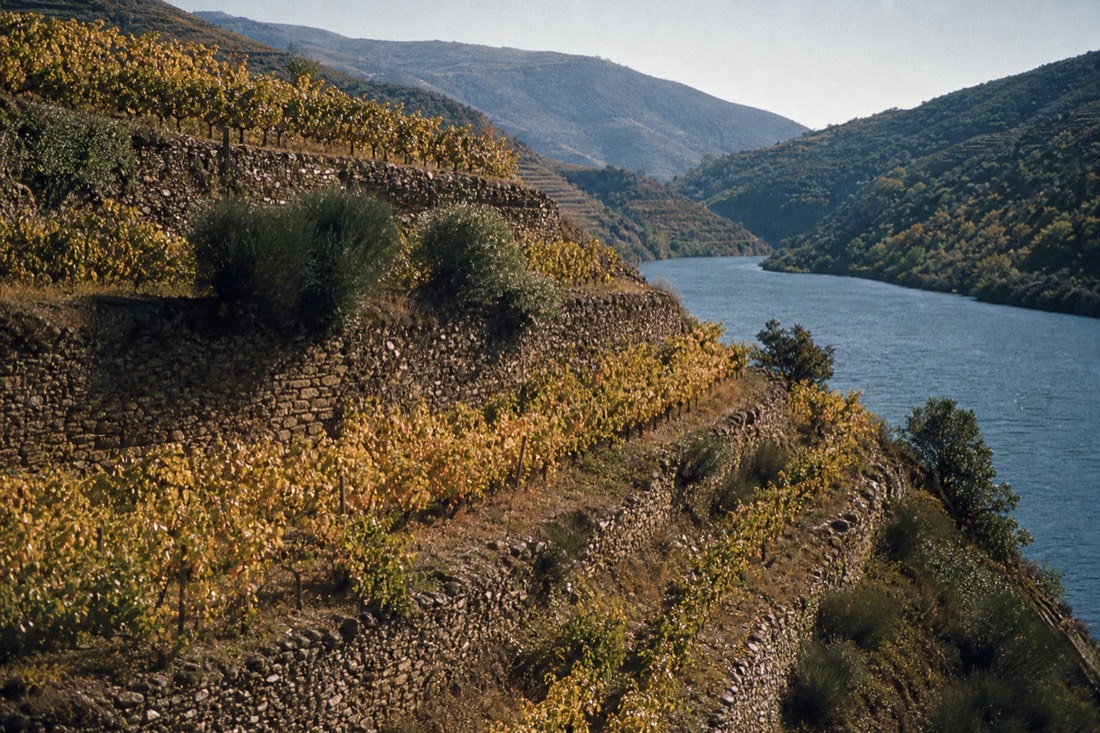
Mid-September to mid-October for harvest energy and turning colors; May and June for green terraces, mild weather and easier bookings. Those two windows cover most travelers. July and August work if you handle heat well, and November to March suits people who want the valley almost to themselves.
The table below is my working judgment after four years of seasons here, not a statistics bureau. Weather swings year to year, and the harvest moves with it.
| Months | What you get |
|---|---|
| March to April | Almond and cherry blossom, cool air, some rain. Vines still bare early on. |
| May to June | The green season. Lush terraces, long days, comfortable tasting weather, moderate crowds. |
| July to August | Hot, dry, dramatic light. Fine on the water and in cellars, punishing at 3 pm on a terrace. |
| September to mid-October | Vindima. Harvest activity, grape smell in the air, vines turning gold and red. Peak demand. |
| Late October to November | Full autumn color early, then bare vines and mist. Underrated for photographers. |
| December to February | Quiet, cool, occasionally grey. Cellar tastings by the fire, some places on reduced hours. |
What Is Harvest Season (Vindima) Actually Like?
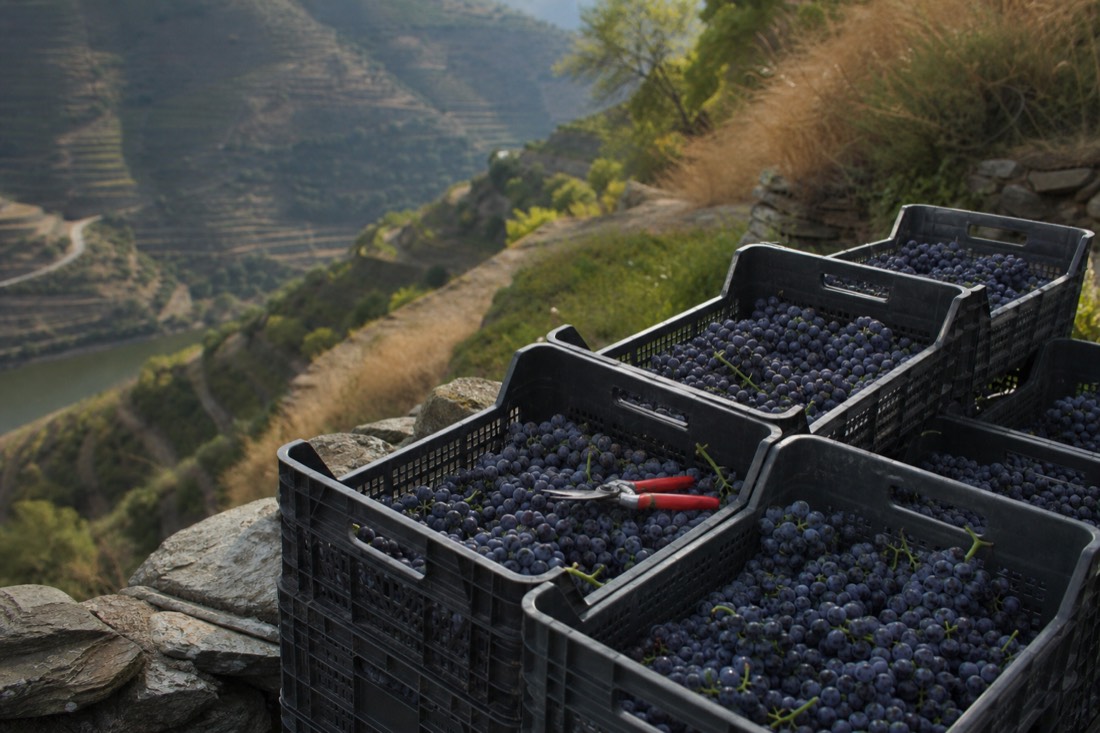
The valley's busiest, loudest, best-smelling weeks. Picking teams work the terraces, tractors queue at winery doors, and some quintas invite visitors to join grape treading. Harvest generally runs from early September into October, with the exact start shifting each year by weather and subregion.
Two honest caveats. First, the vindima is a working harvest, not a festival staged for visitors. You will see picking where picking is happening that day, and a quinta that finished its parcels on Tuesday is quiet on Wednesday. Second, grape treading experiences are seasonal extras that individual estates schedule, so treat them as a bonus rather than a promise. If you want to be sure of stamping grapes yourself instead of hoping the day lines up, one quinta packages the vindima into a standalone harvest foot-treading and tasting experience, booked separately from any day tour, and you can check its dates here. I go deeper on the season in the Douro harvest, explained.
What no one warns you about is demand. Harvest weeks concentrate a year of interest into six of them.
Is Spring The Underrated Pick?
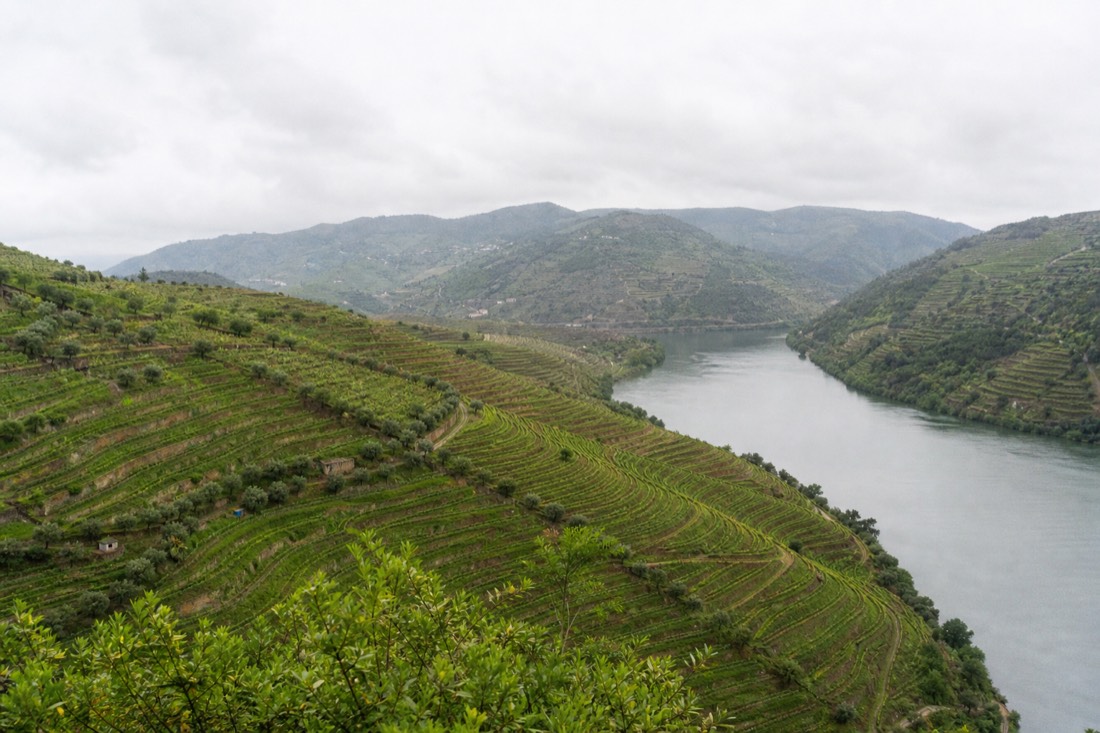
For scenery per euro of hassle, yes. In May and June the terraces are at their greenest, daytime temperatures sit in tasting-friendly territory, days run long, and you can still book good tours a week or two out instead of a month or two. Photographers argue spring green beats autumn gold.
I lean spring for couples and photographers, and I say that as someone whose favorite working weeks are in the vindima. The green is not subtle. After the winter rains the whole valley switches on at once, and the river runs full beneath it. Quintas are open, pours are unhurried, and the guides are not yet running on harvest adrenaline.
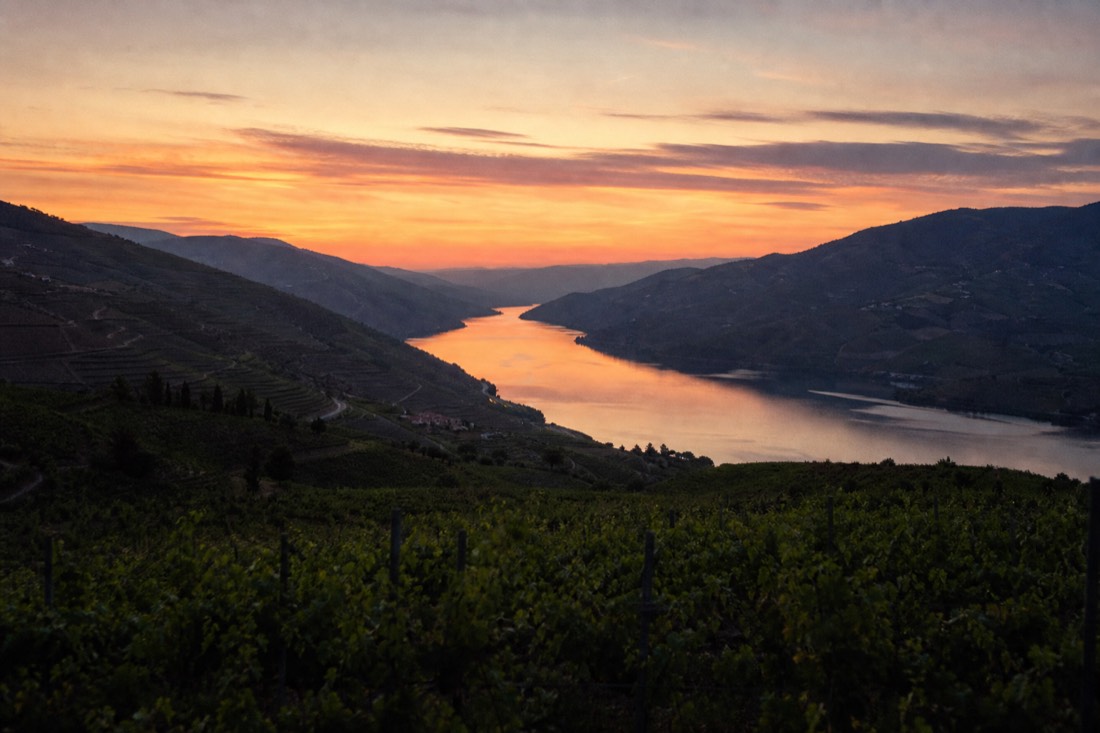
June also starts the proper sunset season, which matters if you are eyeing the romantic end of the market. The off-road sunset picnic tour, a private five-hour outing with 4x4 vineyard tracks and a picnic above Valença do Douro, is built around exactly that golden hour.
What About Summer Heat And Winter Quiet?
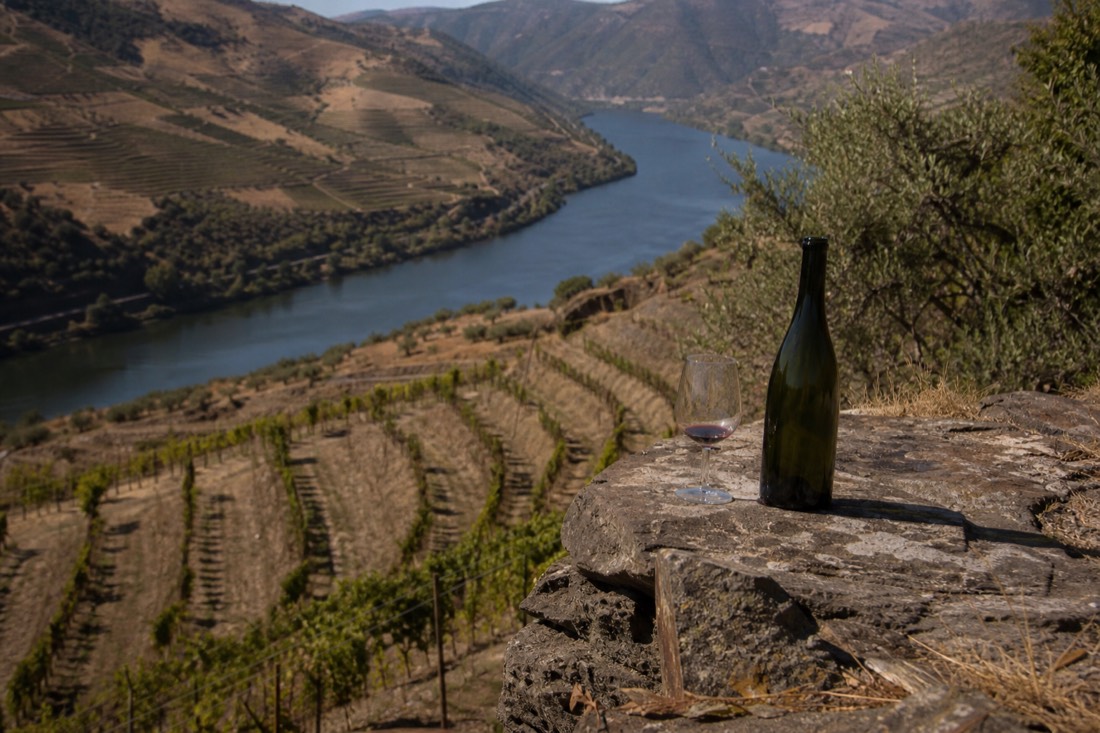
Summer works if you plan around the heat: mornings at quintas, midday on the river or in a cellar, never a 3 pm terrace hike. Winter is the valley on mute, quiet and often beautiful, with bare vines, mist and fireside tastings, but shorter days and some venues on reduced hours.
The Douro is one of the hottest corners of Portugal in July and August, and I say that from standing on its terraces, not from a weather table. The schist soil that ripens great grapes stores heat like an oven floor. Boat decks and barrel cellars are your friends; the 50-minute rabelo cruise at Pinhão that the flagship day tour includes is genuinely the best seat in the valley on an August afternoon.
Winter divides people. Tastings turn intimate, prices at quintas ease, and the mist over bare terraces photographs beautifully. But days are short, rain happens, and smaller estates trim their visiting hours, so check ahead. If your trip is wine-first rather than scenery-first, winter is better than its reputation.
When Is The Best Month To Cruise The Douro River?
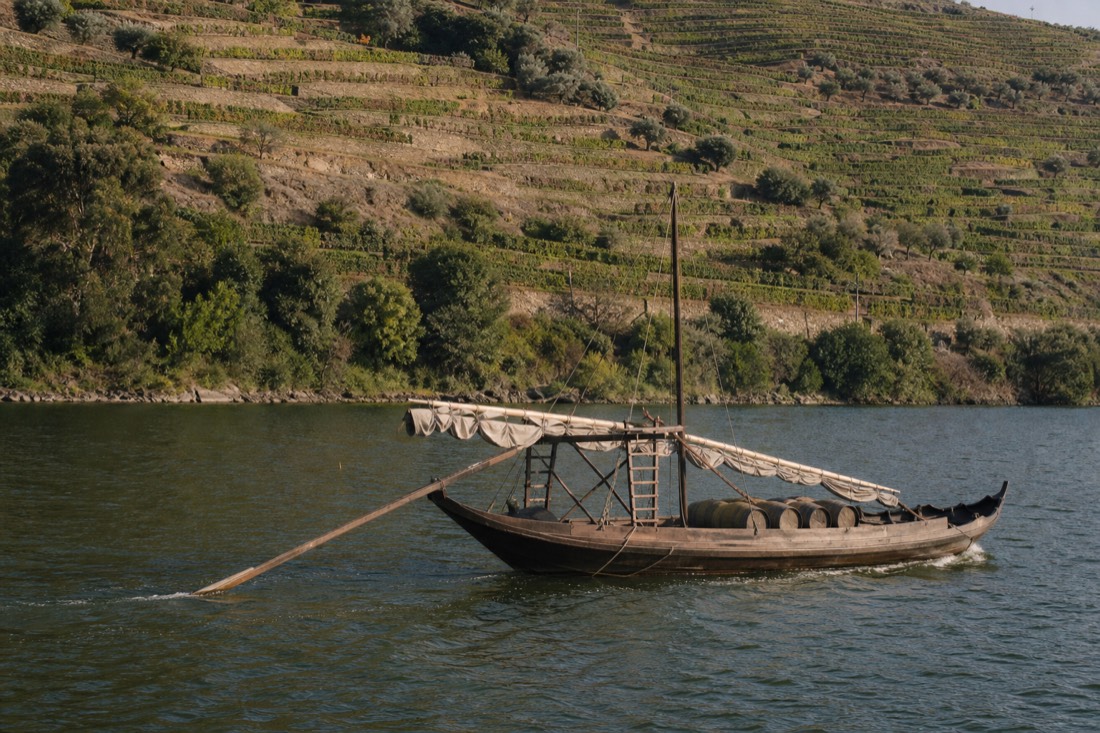
September, if you want the classic answer: harvest color on the terraces, warm decks, golden light on the water. May and June are the smart alternative with green hillsides and easier bookings, and July and August are lovely on the river itself because the water is where the heat breaks.
The short scenic cruises out of Pinhão are about the banks, not the boat, so pick the month by what you want the hillsides wearing. Gold and harvest bustle: September into early October. Deep green: late spring. My full breakdown of the short rabelo cruises, the Porto six-bridges loops and the multi-day ships lives in is a Douro river cruise worth it.
If a boat carrying only the tour operator’s clients appeals, the Douro and Amarante wine, food and river day runs its cruise with only its own clients aboard, serves a tapas brunch on the water, and holds 4.8 across 1,781 GetYourGuide reviews.
How Early Should You Book In Each Season?
Once your travel date is fixed, check the actual departure calendar. There is no reliable universal booking lead time: harvest schedules, group options and winter operating days can all change availability.
The featured Porto tour offers hotel pickup for up to eight guests and a central-meeting option for up to nineteen. Choose the option you want before checking your date. Historic booking counters and marketplace demand badges do not establish how many spaces remain today.
The flip side, honestly stated: outside those peak weeks the calendars breathe. A June Tuesday rarely rewards panic-booking, and free cancellation up to 24 hours on all three featured tours means reserving early depends on the payment and cancellation terms you choose. If you are still choosing which tour deserves your one Douro day, start with the best Douro Valley wine tour compared.
How Does Every Month Of The Year Score For A Douro Visit?
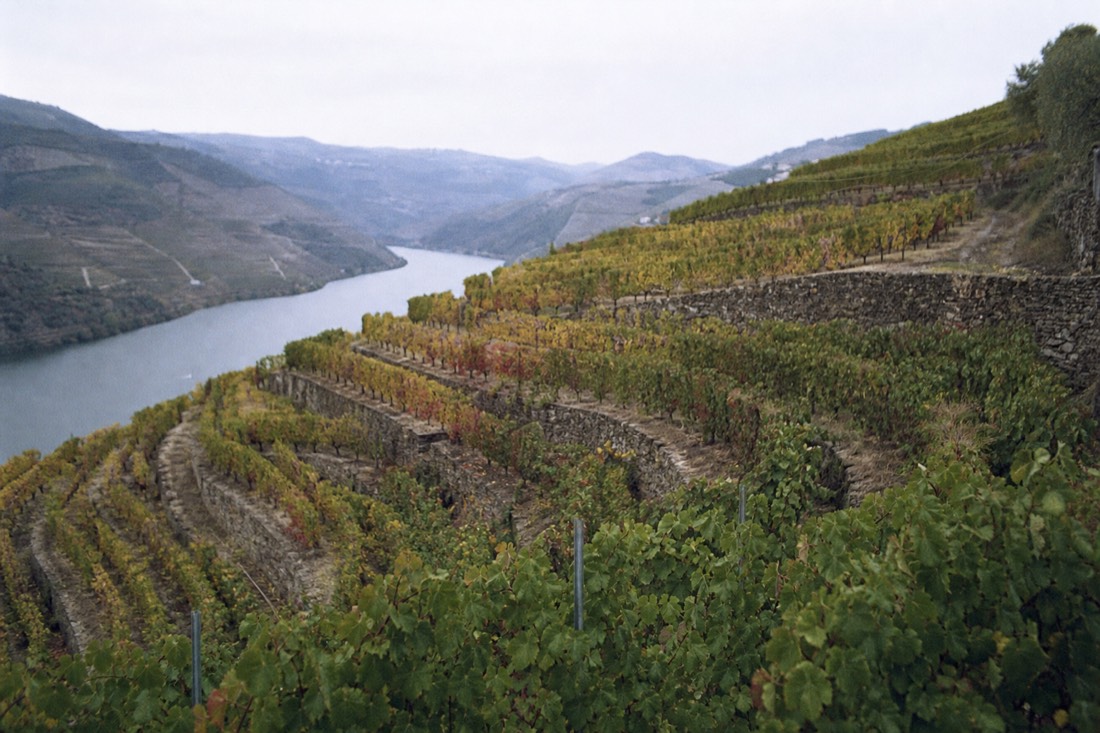
No single month wins outright. September and early October take harvest and warm light. May and June take green terraces and easy booking. July and August trade comfort for drama, and winter trades scenery for silence and low prices. The scorecard below rates all twelve on the things that actually shape a trip.
Read it as one guide's shorthand after four years of working the seasons, not a statistics bureau. Weather shifts year to year and the harvest slides with it, so treat every row as a planning allowance rather than a promise pinned to your exact dates.
| Month | Weather | Crowds | Harvest | Vineyard color | Booking window | Verdict |
|---|---|---|---|---|---|---|
| January | Cool, damp, highs 11-14C | Very low | None | Bare vines | Check date calendar | Fireside tastings, the year at its quietest |
| February | Cool, damp, first blossom late | Low | None | Bare, early blossom | Check date calendar | Almond and cherry bloom, still very quiet |
| March | Mild, showery, 17/10C | Low | None | Bare to first bud | Check date calendar | Shoulder season, good value |
| April | Mild, changeable, 18/12C | Low to moderate | None | Bud break, green returning | About a week | Green starting, easy calendars |
| May | Warm, comfortable, 20/14C | Moderate | None | Peak green | Check date calendar | Scenery sweet spot |
| June | Warm, dry, highs 23-26C | Moderate | Sunset season begins | Lush green | Check date calendar | Long days, green terraces, first sunsets |
| July | Hot, dry, highs 25-29C | High | None | Green with gold edges | Check date calendar | River and cellar days only |
| August | Hot, dry, highs 25-29C | Highest, holiday season | Pre-harvest buzz late | Gold-green | Check date calendar | Heat management essential |
| September | Warm, mostly dry, 24/17C | Peak demand | Vindima core | Gold and rust turning | Check date calendar | The show, book early |
| October | Mild, rain rising (~109mm) | High early, easing late | Vindima tail early on | Full autumn gold to bare | Check date calendar | Color at its peak |
| November | Cool, wettest (~163mm) | Low | Over | Bare, mist | Check date calendar | Moody photography, real quiet |
| December | Cool, wet, highs 11-15C | Low | None | Bare | Check date calendar | Fireside pours, festive hush |
If the scorecard leaves you torn between two windows, the deciding factor is usually the tour calendar, not the weather. The featured small-group day tour offers hotel pickup for up to eight guests and holds 4.9 across 5,576 combined Viator and Tripadvisor reviews, so the popular September departures close well before any October rain does.
What Do The Douro's Temperatures, Rain And Daylight Really Do Across The Year?
Expect a genuine four-season swing. Winter highs sit near 11 to 14C with the year's heaviest rain. Spring climbs from the high teens into the low twenties. Summer routinely reaches 25 to 29C and stays dry, then autumn cools back through the low twenties as October rain returns. Daylight runs from about nine and a half hours midwinter to roughly fifteen at midsummer.
| Season | Typical daytime high | Typical night low | Rain | Daylight | What it means for a visit |
|---|---|---|---|---|---|
| Spring (Mar-May) | 17-20C | 10-14C | Showery, easing through May | ~12-14 h | Comfortable tasting weather, terraces greening |
| Summer (Jun-Aug) | 25-29C | 13-15C | Very dry | ~14-15 h | Hot afternoons, cooler nights, plan around shade |
| Autumn (Sep-Nov) | 14-24C | 8-17C | Dry early, wet by November | ~10-12 h | Harvest warmth, then cooling and color |
| Winter (Dec-Feb) | 11-15C | 4-6C | The wettest stretch | ~9.5-10 h | Cool, damp, quiet, intimate cellars |
Two numbers do most of the planning work here. The first is that summer high, because a 29C reading in a river gorge with heat radiating off schist walls feels hotter than the same figure on flat ground. The second is daylight: a mid-June evening gives you light past 9 pm for a sunset picnic, while a December visit is packing up by five. If long golden evenings are the point of your trip, the math favors late spring and midsummer, which is why the sunset itineraries only run once the days stretch out. My season-by-season notes on the water sit in is a Douro river cruise worth it.
Early Vindima Or Peak Vindima: Which Week Of Harvest Should You Aim For?
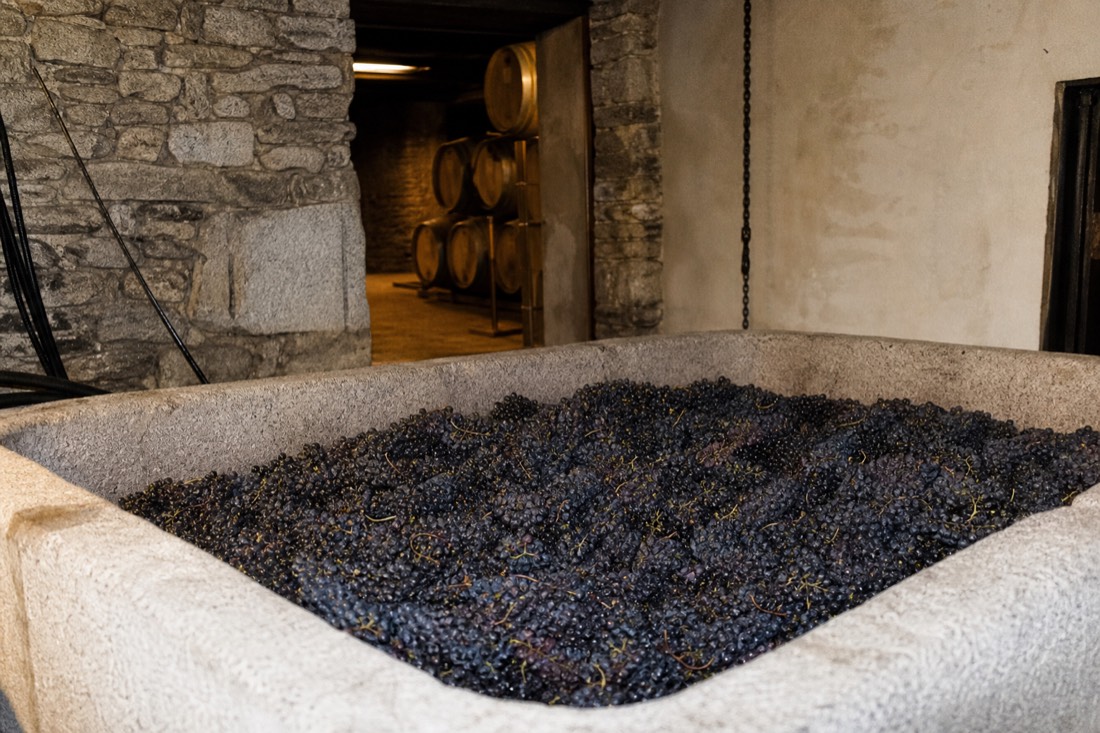
Both sit inside roughly early September to mid-October, but they feel different. The opening days bring the white grapes, calmer estates and easier tables. The core weeks, about mid-September to early October, bring the red-grape rush, foot-treading in the granite lagares and the fullest atmosphere. The call to start picking can land with only a couple of days' notice.
| Early vindima (late Aug / early Sept) | Peak vindima (mid-Sept to early Oct) | |
|---|---|---|
| What's being picked | White grapes first | Reds for Port and Douro DOC |
| Estate atmosphere | Warming up, calmer | Full swing, tractors and teams everywhere |
| Chance of joining foot-treading | Lower, less scheduled | Highest, lagares in regular use |
| Crowds and prices | Easier tables, softer rates | Busiest, priciest of the year |
| Booking lead time | Confirm departure dates | Confirm harvest programme dates |
| Best for | A quieter taste of harvest | The full show, treading and all |
The honest catch is that no estate can promise you a picking scene on a named day, because a quinta that finished its parcels on Tuesday is quiet on Wednesday. If stamping grapes yourself is the whole reason you are coming, do not leave it to luck on a day tour. One estate packages the vindima into a standalone harvest foot-treading and tasting experience booked on its own dates, and you can check when it runs. I go deeper on the season in the Douro harvest, explained.
One more thing the calendar hides: the weather that makes for a beautiful harvest is not always the weather that makes for an easy one. A hot, dry run into September pulls the whole valley into an early, compressed picking, so the scenes you came for can be over by the last week of the month. A cooler, wetter summer stretches ripening out and pushes the reds later, which is when October picking gets its long tail. This is why I never sell a specific harvest week to anyone more than a season out. Aim for the middle of the window, keep a day or two of slack in your itinerary, and let the vintage tell you where the action is once you arrive.
Which Month Is Best For Your Specific Plan?
Match the month to the mission. Harvest treading and grape smell point to mid-September through early October. Green-terrace photos favor May and June. Quiet and low prices belong to November through February. River cruising in comfort suits late spring or September, and heat-averse travelers do best in April to June or October. The matrix lines those up.
| Your priority | Best window | Why it wins | Watch out for |
|---|---|---|---|
| Harvest and foot-treading | Mid-Sep to early Oct | Picking, lagares, gold terraces | Books out first, heat can linger |
| Greenest scenery and photos | May-Jun | Peak canopy, long light | Occasional spring showers |
| Quiet and lowest prices | Nov-Feb | Few visitors, eased rates | Short days, some reduced hours |
| River cruising in comfort | Late May-Jun, Sep | Warm decks, calm water | Midsummer decks can bake |
| Heat-averse travelers | Apr-Jun, Oct | Mild highs, low humidity | Spring rain is possible |
| Easy booking, fewest logistics | May-Jun, Nov | Open calendars, relaxed guides | Fewer harvest scenes |
Booking lead time is the one variable that flips with the season more than any other, so here it is on its own. These are the windows I actually watch fill.
| Season | How far ahead to book the small-group tours | The reality |
|---|---|---|
| Harvest (mid-Sep to early Oct) | Check your exact date | Confirm harvest participation separately |
| Summer (Jul-Aug) | Check date calendar | Steady demand, rarely frantic |
| Spring (May-Jun) | About a week | Usually fine to book close in |
| Winter (Nov-Mar) | Check date calendar | Reduced schedules cut both ways |
For couples eyeing the golden-hour end of the market, the calendar tilts the same way the light does. The off-road sunset picnic tour, a private five-hour outing with 4x4 vineyard tracks and a picnic above Valença do Douro, only makes sense once evenings run long, so late spring through early autumn is its natural season. If you are still weighing which tour deserves your one Douro day, I compare them in the best Douro Valley wine tour, and if you are basing yourself out here, Quinta da Pacheca makes an easy anchor.
The Month Niko Sends Most First-Timers To
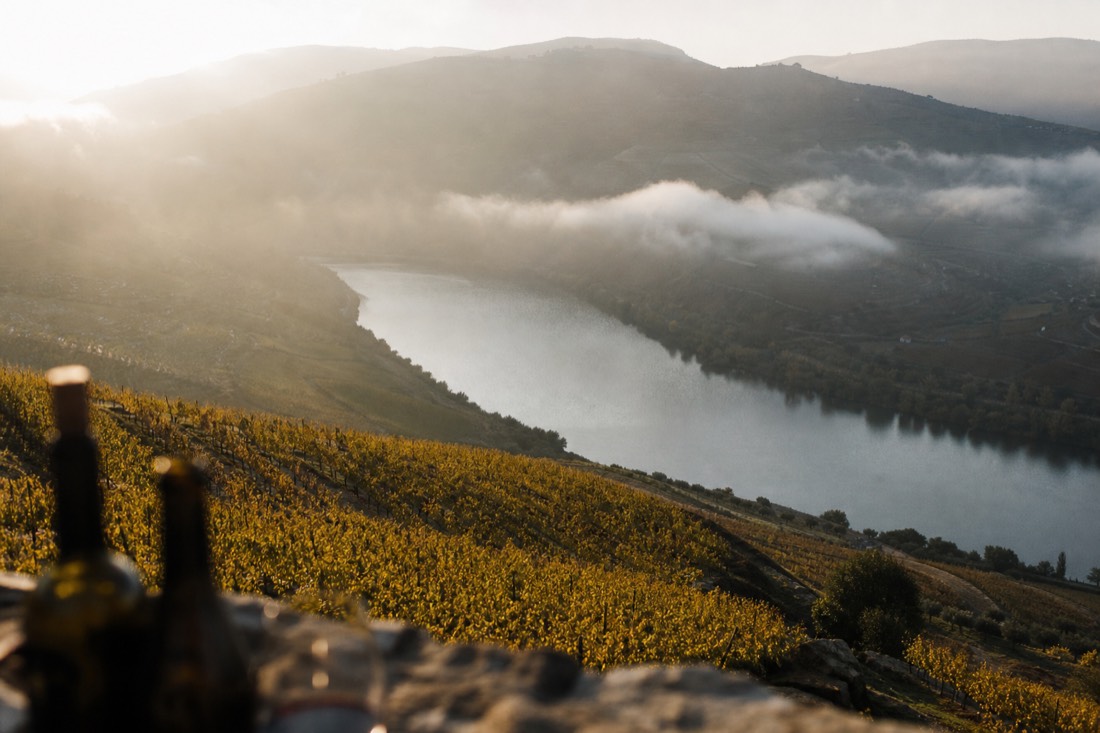
When a first-timer tells me they can travel anytime, I point at the last week of September. It stacks the deck: real harvest activity, terraces turning gold, warm days that still cool off at night, and light that makes the river photograph itself. My one caveat is booking, because that same week empties the small-group calendars first.
I have guided visitors here since 2022, and the pattern barely changes. People arrive expecting to choose between scenery and atmosphere, and late September quietly gives them both. The vines have started their color shift without going bare, the estates are alive with picking, and the fierce August heat has usually broken into something you can spend a whole afternoon standing in. It is the closest the valley comes to a peak that photographs as well as it tastes.
Where I steer people away from September is when their trip is really about calm. If the goal is an unhurried tasting and a host with time to talk, I nudge them to May or to November instead, and nobody has come back disappointed with the green of a late-spring terrace. The mistake I see most is treating the whole autumn as interchangeable: a warm, dry September week and a wet mid-November one are two different valleys, and only one of them still has grapes on the vine.
For families and anyone traveling on a tighter budget, I quietly steer toward late April into early June. The terraces are green, the estates are open and unhurried, the heat has not yet arrived, and both flights and rooms cost less than they will in the harvest crush. You give up the picking scenes, but you gain a valley that has time for you. If your dates are already fixed and they land in the deep heat of July or August, do not cancel: just flip your day around, put the quintas in the cool of the morning, and spend the blazing middle hours on the river or underground in a cellar where the temperature never moves.
Common Questions About Timing A Douro Trip
What months are harvest in the Douro Valley?
Generally early September into October, with the busiest picking around mid-September to early October. The start moves each year with the weather and ripening, and cooler or higher parcels pick later than riverside ones, so no specific week is guaranteed.
Is the Douro Valley too hot in August?
It is genuinely hot, and midday terraces are hard work. But cellars stay cool, river cruises catch the breeze, and mornings are workable. If August is your only window, structure the day around shade and water rather than skipping the valley.
Is the Douro Valley worth visiting in winter?
Yes, for a specific traveler: wine-first visitors who value quiet tastings over postcard terraces. Vines are bare and days short, but mist over the river is beautiful and hosts have time to talk. Check quinta opening hours ahead, as some reduce their winter schedules.
How far ahead should I book a harvest-season wine tour?
As soon as your dates are fixed. Small-group departures carry very few seats, September demand is the year's peak, and the featured tours cancel free up to 24 hours ahead, so the cancellation deadline still needs checking.
Your Next Step
Douro Valley Small Group Tour: 2 Wineries, Lunch & River Cruise
Have your travel dates fixed? Check the Porto wine-day departure before adding separate bookings, and confirm any seasonal activities directly in the selected itinerary. Check your travel date before arranging the rest of your visit. Two winery tastings, Portuguese lunch and a Pinhão river cruise from Porto.
9–10 hours; English offered. Central Porto hotel pickup option: up to 8 guests; central meeting option: up to 19. Port and DOC Douro tastings and lunch included; wineries can change. Winery visits and river cruise may include other customers. Gratuities extra; confirm dietary needs and child arrangements before booking.
An initial recommendation, before you make any choices. Confirm the option and restrictions for your party.
Choose your travel date, or open the tour on Viator.
What Is Your Seasonal Priority?
| Experience | Why Choose It | Allow | What To Account For |
|---|---|---|---|
| Douro Valley Small Group Tour: 2 Wineries, Lunch & River Cruise | Two winery tastings, Portuguese lunch and a Pinhão river cruise from Porto. | 10 hours | 9–10 hours; English offered. Central Porto hotel pickup option: up to 8 guests; central meeting option: up to 19. Port and DOC Douro tastings and lunch included; wineries can change. Winery visits and river cruise may include other customers. Gratuities extra; confirm dietary needs and child arrangements before booking. |
| Douro: Traditional Harvest With Foot Treading And Tasting | Pick and tread grapes, share a winery lunch and cruise the river during the harvest. | 8 hours | 8 hours; group limited to 6; English offered. Starts and returns in Peso da Régua; hotel/station pickup within 30 km operating area must be confirmed. Picking equipment, grape picking, foot-treading, winery lunch and a solar or rabelo boat ride listed. Seasonal agricultural activity; confirm your date. Bring a change of clothes. Child and mobility suitability not verified; confirm with operator before booking. |
| Douro Valley: Off-Road Wine Tour With Sunset Picnic | Private vineyard tracks, a Tedo tasting and a sunset picnic from a local valley base. | 5 hours | 5 hours; private group; English, Portuguese or French. Pickup and return in selected valley areas, including Pinhão, Régua and Tabuaço. Quinta do Tedo tasting, off-road drive and sunset picnic included. Regional food, local wines and sparkling wine included; personal purchases extra. Not suitable for children under 2; confirm exact accommodation pickup. |
| Douro Valley & Amarante Wine, Food & Boat Tour from Porto | Douro winery, a cruise with regional tapas, and an Amarante walk and tastings. | 7 hours | 7 hours; English offered. Meet and return at Trindade Domus, Porto. Winery, boat ride, regional food and wine tastings included. Not suitable for reduced mobility; no hotel pickup on the verified meeting-point option. |