Where To Eat In The Douro Valley: Quinta Restaurants And Riverside Tables
A local guide to eating well in the Douro: the quinta restaurants and riverside dining rooms worth booking, honest picks in Pinhão and Régua, and what a wine-tour lunch is really like.
Choose a booked quinta meal or a tour with lunch included; keep named town restaurants as independent bookings. Check The Recommended Experience
 By Niko Stavros, Douro Valley wine tourism specialist
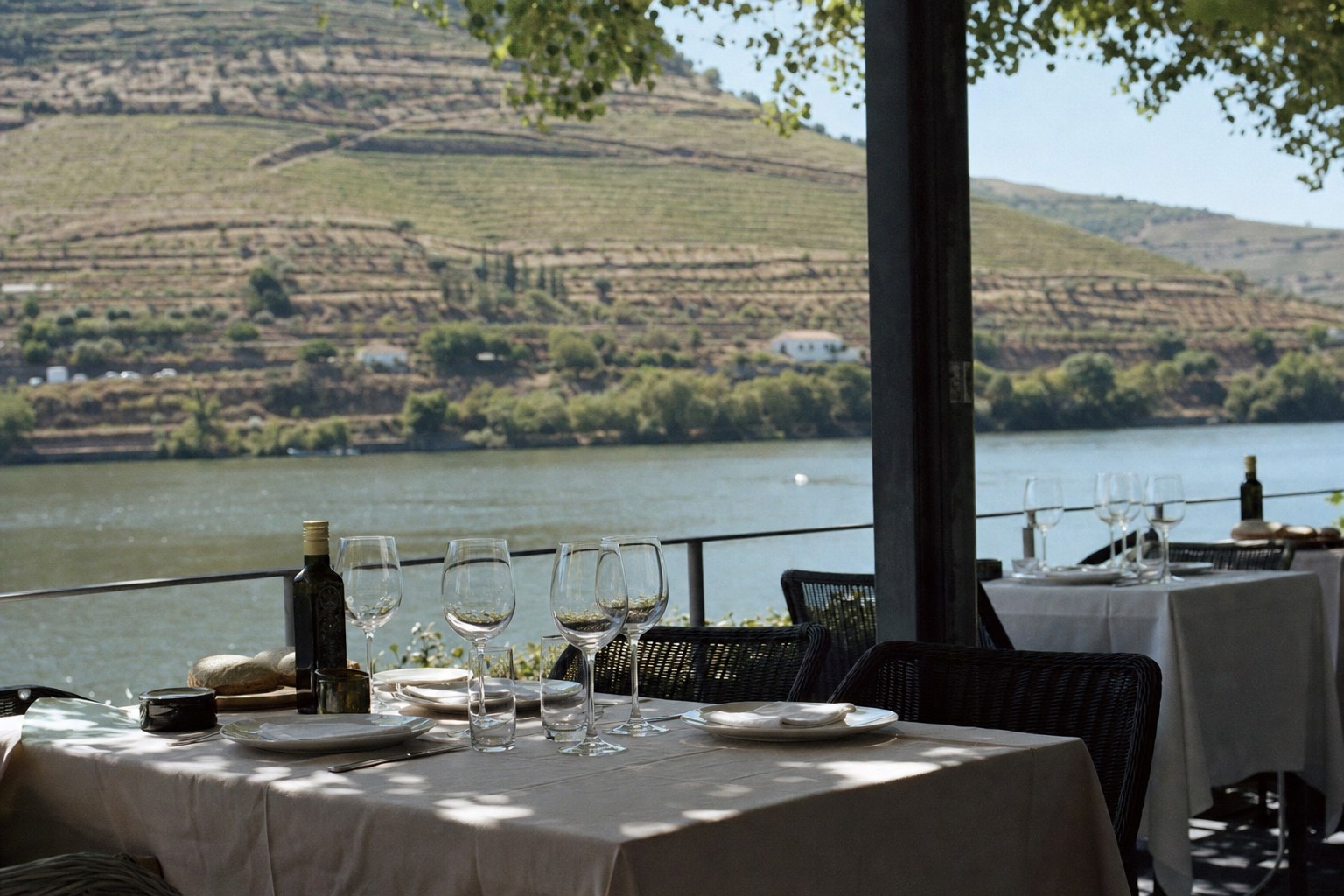
Wine gets all the attention here, but the Douro eats extraordinarily well, and the food is half the reason a day in the valley feels so generous. This is hearty, honest northern Portuguese cooking, roast kid and river fish and slow-cooked everything, served in places that range from a converted railway shed to a glass-walled dining room hanging over the water. The trick is knowing where to point yourself, because a bad tourist lunch and a great valley meal cost roughly the same. Here is where I send people hungry.
Choose a booked quinta meal or a tour with lunch included; keep named town restaurants as independent bookings. Explore This Booking Choice
Where Do You Actually Eat Well In The Douro Valley?
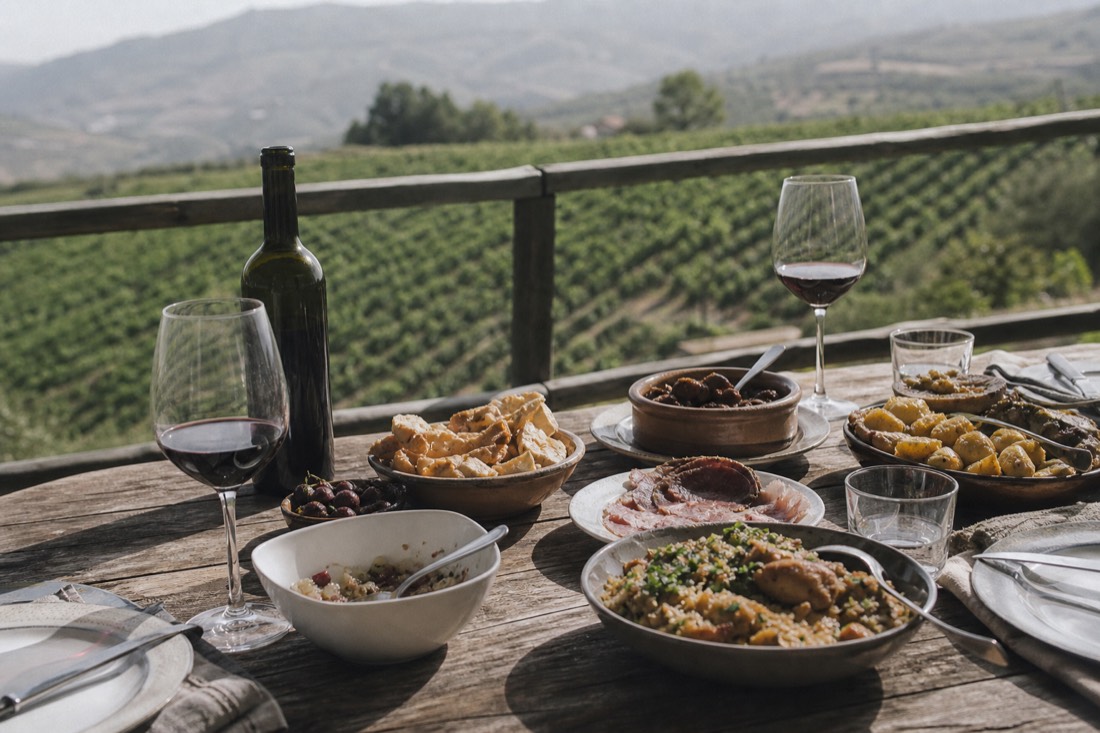
In three main places: at the quintas themselves, many of which run excellent restaurants open to non-guests; in the river towns of Pinhão and Peso da Régua, where a handful of standout spots sit among the tourist cafés; and as part of a wine tour, where a traditional Portuguese lunch is usually built into the day.
The valley is not a place of endless choice, which is a relief. A few genuinely good tables, mostly tied to wine estates or perched by the river, do the heavy lifting, and word travels fast on which ones deliver. The through-line is the pairing: nearly every worthwhile Douro meal is built around wine from nearby vines, so the food and the glass in front of you grew on the same hills. Book ahead in high season for anything with a view, because the good tables are known and they fill.
Are The Quinta Restaurants Worth It?
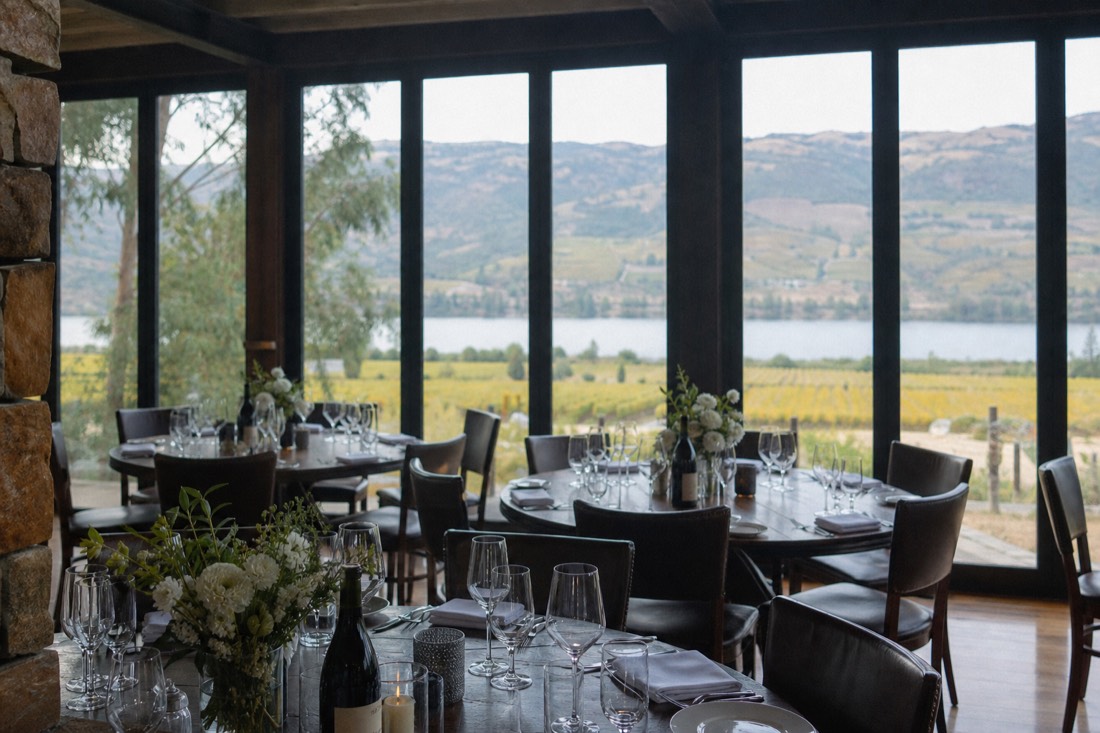
Often the best meals in the valley. Several estates run proper restaurants where you eat regional cooking with the estate's own wines and a view of the terraces. The most celebrated is DOC, chef Rui Paula's riverside restaurant at Folgosa on the N222, and estates like Quinta da Pacheca serve regional dishes in a glass-walled dining room over the vineyards.
DOC is the splurge and it earns it, a modern room right on the water where the tasting menu turns Trás-os-Montes tradition into something quietly ambitious. Pacheca is the easier, more relaxed version of the same idea: regional plates, the estate's wines, and those floor-to-ceiling windows onto the vines. Estates such as Quinta do Vallado also feed their guests well as part of the wine-hotel experience. If you are already touring quintas for tastings, having lunch at one folds the meal into the day rather than bolting it on, which is exactly what the good day tours arrange for you.
Where Should You Eat In Pinhão And Régua?
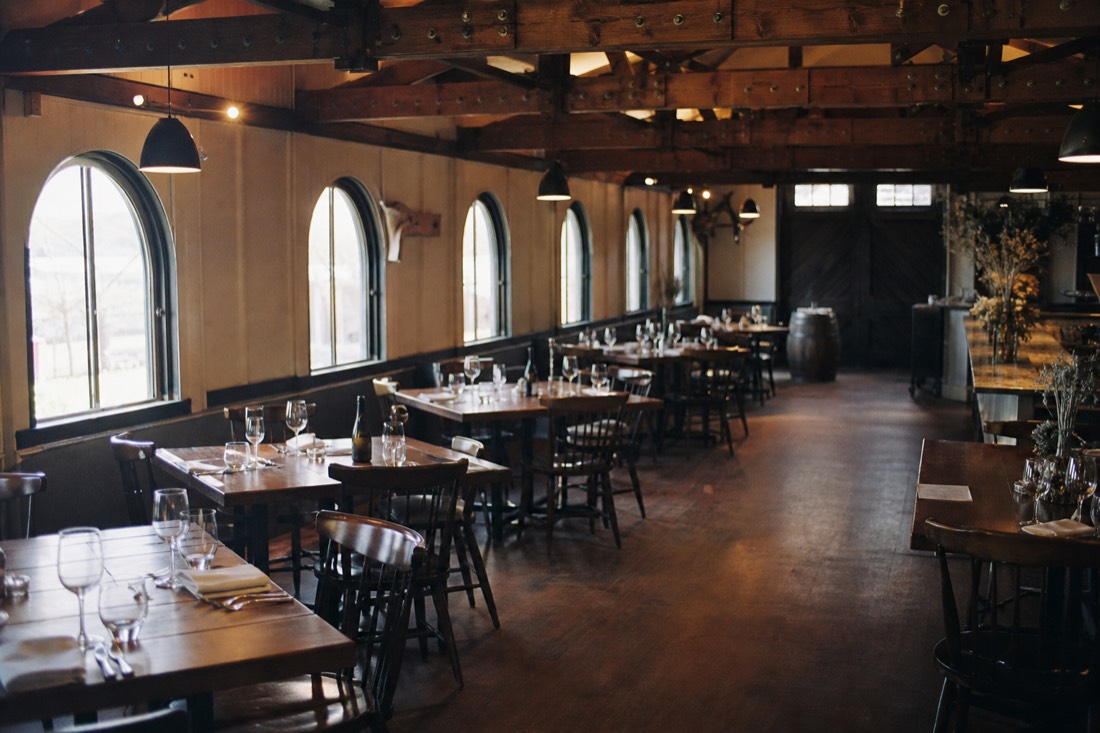
In the towns, aim for the places locals rate over the quay-front tourist cafés. In Peso da Régua, Castas e Pratos is the standout, a contemporary Portuguese restaurant set inside a beautifully converted old railway shed, with a wine bar downstairs. Pinhão is smaller, but has good riverside tables and estate tasting rooms within walking distance of the quay.
Régua is the more practical town for a meal, bigger and busier, and Castas e Pratos is the one I book when I want to show off the valley's cooking without a long drive. The railway-shed setting alone is worth the visit, all exposed timber and old wagons, but the food holds its own. Pinhão trades size for prettiness, and its quay-side spots win on setting more than ambition. If you are weighing the two towns as a base for eating and everything else, Peso da Régua or Pinhão compares them honestly.
What Is A Wine-Tour Lunch Actually Like?
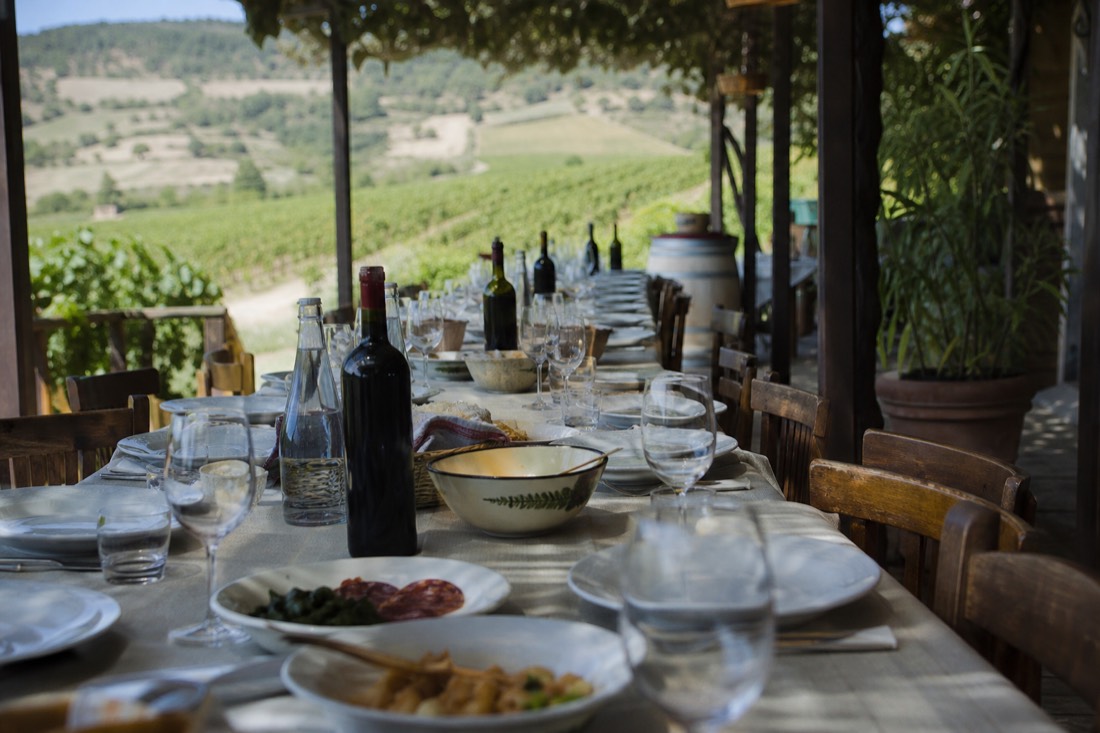
Generous and traditional, usually a multi-course Portuguese meal at a quinta or a local restaurant, with regional wine flowing and no clock-watching. On the day tours it is a set part of the itinerary between tastings, so you sit down to a proper lunch, often with a view, without booking or driving anywhere yourself.
This is one of the underrated pleasures of a guided day. You have spent the morning tasting, someone else is driving, and lunch simply appears: soup, a hearty main of roast meat or river fish, dessert, and wine that suits it. The small-group day tour this site features builds a traditional Portuguese lunch into the day between its two quinta tastings, alongside a 50-minute rabelo cruise. For a first visit, letting the tour handle the meal is genuinely easier than hunting for a table mid-itinerary. The full hour-by-hour rhythm of the day, lunch included, is in what happens on a Douro Valley wine tour.
How Do You Book, And What Should You Order?
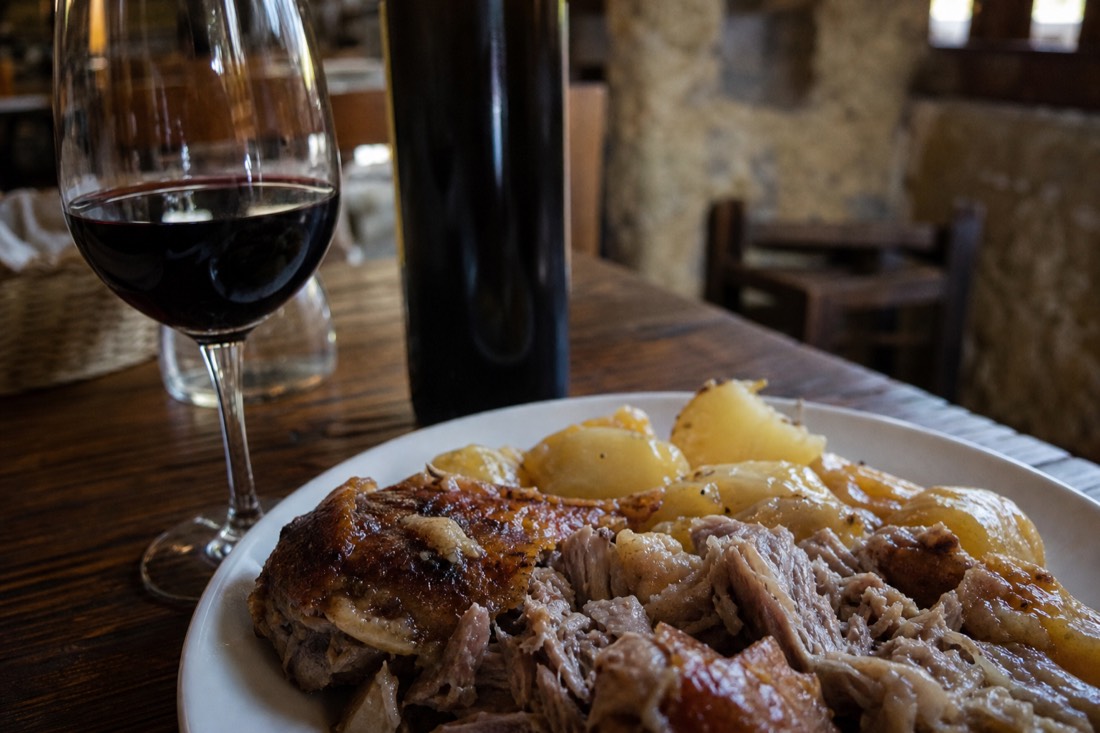
Book ahead for anything with a view or a name, especially DOC, Castas e Pratos and the quinta dining rooms in summer and at harvest. Order what the region does best: roast kid or lamb, bacalhau done a dozen ways, river fish, and always a glass of the estate's own DOC Douro red rather than defaulting to port with the meal.
The one habit worth breaking is treating every Douro wine as sweet. At the table, the dry reds are the stars, and pairing a local DOC Douro with slow-roasted meat is the valley's classic move. Save the port for after, or for the porto tónico before you sit down. Portions run large and lunches run long, so plan a light afternoon if you are eating properly at midday, which is another quiet argument for letting a tour drive you afterward rather than getting behind the wheel.
For a first-timer, my honest advice is to book one memorable meal, a DOC or a quinta dining room, and let a tour cover the rest of the day's eating. That way you get the showpiece lunch you will remember and the easy logistics you will not have to think about. Either way, come hungry. The Douro feeds you like it means it.