How To Read A GetYourGuide Or Viator Listing Like A Pro (Douro Valley Examples)
What ratings, review counts, badges, 'from' prices, group sizes and cancellation lines really mean on GetYourGuide and Viator, shown on three real Douro tours.
Use real dates, the exact tour option and its inclusions to compare listings. Check The Recommended Experience
 By Niko Stavros, Douro Valley wine tourism specialist

Friends do not ask me which Douro tour to take. They send me links. Since I started guiding in the valley in 2022 I have had hundreds of GetYourGuide and Viator pages forwarded to me with the same message, "is this one good?", and over time I stopped answering listing by listing and wrote down the method instead. Here it is, walked through on the three real Douro listings this site tracks: a Viator small-group day, a GetYourGuide river-and-food day, and a brand-new GetYourGuide sunset tour with no reviews at all. Ten minutes now, and you will read any tour listing in the right order for the rest of your travelling life.
Use real dates, the exact tour option and its inclusions to compare listings. Explore This Booking Choice
What Do The Rating, Review Count And Recommend Line Tell You Together?

Always as one signal, never the stars alone. The rating says how good, the review count says how much evidence sits behind that number, and the recommend percentage says how the crowd splits. A 4.9 across 5,378 reviews and a 5.0 across nine are not even the same kind of fact.
Take the flagship example. Open the Viator listing and compare its current rating with the number and dates of reviews. A consistently positive pattern across seasons is more useful than a perfect score from a handful of visits; read recent detailed criticism alongside the average.
For the GetYourGuide Amarante example, read the current review count and the newest accounts of pacing, food and the boat segment. Platform displays change, so supplier tenure and activity counts should be checked on the actual page. When signals diverge, read the detailed mid-rating reviews to understand the tradeoff.
What Do Badges Like Viator Experience Award, Top Rated And New Activity Mean?

They are the platform's own shorthand, and each of our three example listings happens to carry a different one. Read a badge as confirmation of the numbers next to it, never as a replacement for them. The exact criteria belong to the platforms, and they do not publish formulas for us to audit.
| Badge example | How to use it |
|---|---|
| Viator Experience Award | Check the date and current review record alongside it |
| Top rated | Treat it as a platform signal, then review itinerary and recent feedback |
| New activity | Check operator identity, inclusions and terms; absent reviews alone do not establish poor quality |
The rule I give friends: badge plus strong numbers equals consistency; badge sitting on weak or missing numbers equals marketing. The interesting case is "New activity". A missing rating is not a red flag, every 5,000-review tour once had zero, but it moves the burden of proof onto the parts of the page you can verify: who operates it, what exactly is included, and how painless cancellation is. The sunset picnic listing answers those well: named local operator, 4x4 vineyard route, Quinta do Tedo tasting, sunset picnic at Valença do Douro with regional food and sparkling wine, free cancellation to 24 hours.
What Does A "From" Price Mean, And Why Do Some Listings Hide The Number?
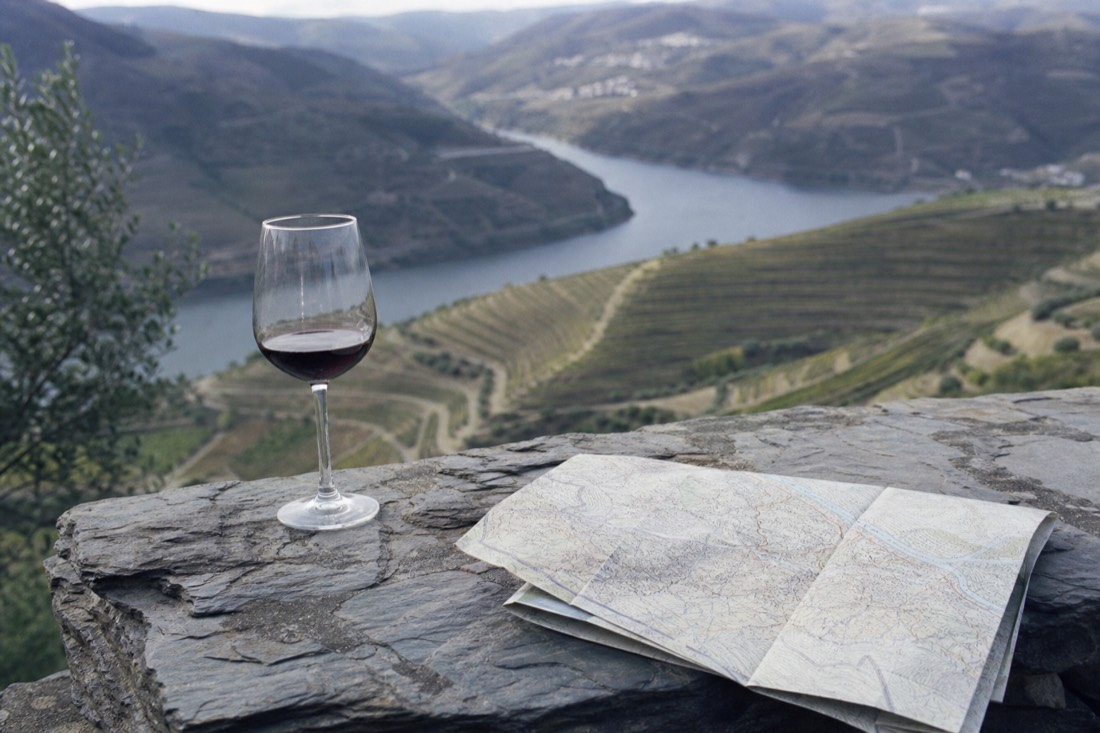
"From $107" means the cheapest available combination: usually the base season, the standard option, sometimes a specific group size. Your date and options can land higher, and the only number that binds anyone is the one at checkout for your actual date. Some listings show no headline price at all until you pick a date; that is flow design, not deception.
For all three examples, choose your real date, party and exact option before comparing prices. Two advertised starting prices can change order once those details are entered. Compare what is included as well as the final checkout number.
So my price routine is boring: pick my real date and group first, then compare the checkout numbers, then weigh what sits behind each. A cheaper day with one tasting and no lunch is not cheaper than a dearer day with two quintas, lunch and a cruise; it is a different product. The full cost anatomy of Douro tours, including what typically drives a day from $100 to $200, is broken down in our cost guide, and the always-current side-by-side numbers live on the ratings and prices data page.
What Do Group Size, Duration And Pickup Lines Actually Tell You?
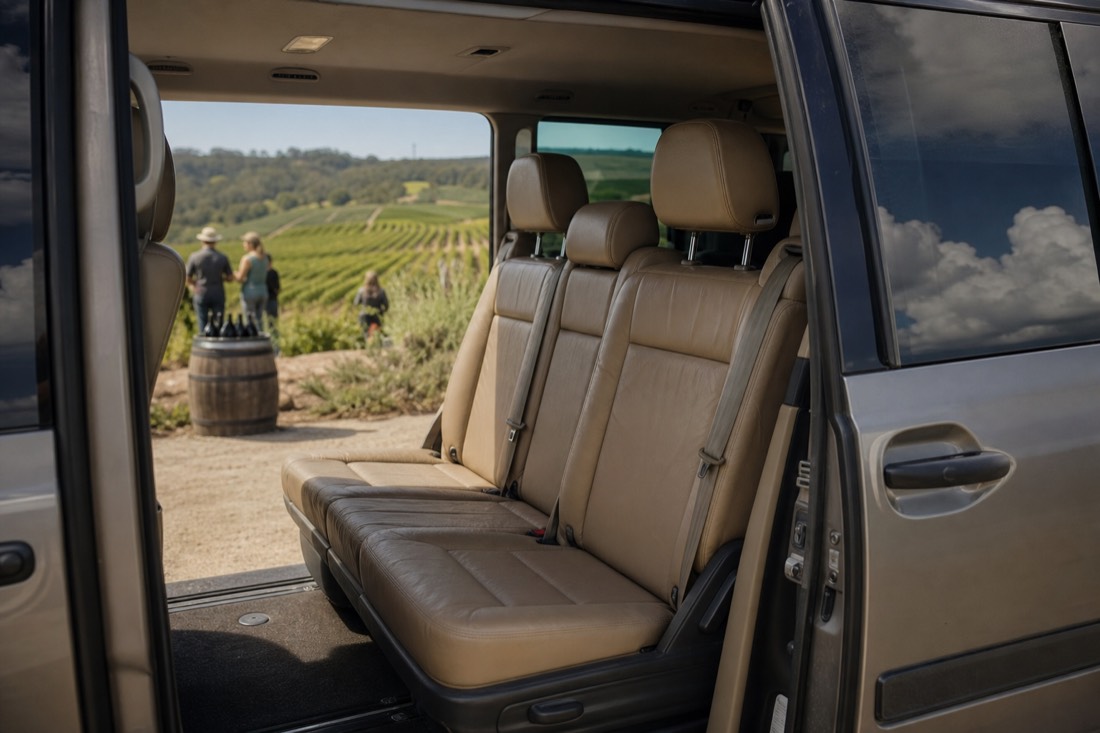
More about your day than any photo on the page. Group size caps decide whether you talk with a guide or listen to a loudspeaker. Duration tells you the real time commitment including transfers. And the pickup line quietly tells you where your day starts and whose problem your hotel's location is.
Compare the three examples line by line and the products separate on logistics alone:
| Listing line | Two-quinta day (Viator) | Amarante day (GYG) | Sunset picnic (GYG) |
|---|---|---|---|
| Rating and reviews | Check current dated reviews | Check current dated reviews | Check current review history |
| Badge | Check the current listing | Check the current listing | Check the current listing |
| Price signal | Select your date and option | Select your date and option | Select your date and option |
| Group signal | Hotel pickup up to 8; meeting point up to 19 | Boat carries the operator's own clients only | Private 4x4 format |
| Start logistics | Hotel pickup, central Porto | Meet at Trindade Domus, Porto | 12 valley pickup spots incl. Quinta da Pacheca and Régua |
| Cancellation | Free to 24 h | Free to 24 h | Free to 24 h |
Notice what the pickup row reveals: the first two are Porto-based days, while the sunset tour's pickup list, all inside the valley, tells you before any other line that it is built for people already staying up the river. That single row saves a mismatch no rating could warn you about. Group-size language rewards care too. The listing states the flagship day offers hotel pickup for up to eight guests or a meeting-point option for up to 19; on the Amarante day the specific promise is the cruise itself, a boat shared with no other company's clients while tapas and sparkling wine come aboard. Different caps protect different moments of the day. Duration completes the picture: 9 to 10 hours on the flagship listing means the two quintas, lunch and cruise, plus the roughly 1 h 45 drive each way that any honest Porto-to-Douro product carries.
Which Lines Remove Your Booking Risk, And What Will A Listing Never Tell You?

Check the cancellation deadline, the exact local start time and which option you selected. A refundable booking has a cutoff; it is not a risk-free decision forever. Read the newest reviews for the feel and pacing of the day.
A cancellation window matters when your plans or weather change. Check the terms for the actual date and option before paying, then note the local cutoff. Pay-later options also vary by platform and departure; the checkout screen is the source for the booking you are making.
And then the last step, the one no structured field replaces: read the newest handful of reviews before you pay. Skip the detail-free raves. Hunt for the reviews that describe a moment, a guide by name, a stop that ran long, a lunch that surprised someone, because vibe, pacing and personality live nowhere else on the page. On a listing with no reviews yet, like our sunset example, the same energy goes into the operator's profile and the precision of the inclusions list instead. Once you can read the signals, the next question is which Douro day fits you, and that is exactly what our guide to the best Douro Valley wine tour walks through, tour by tour.